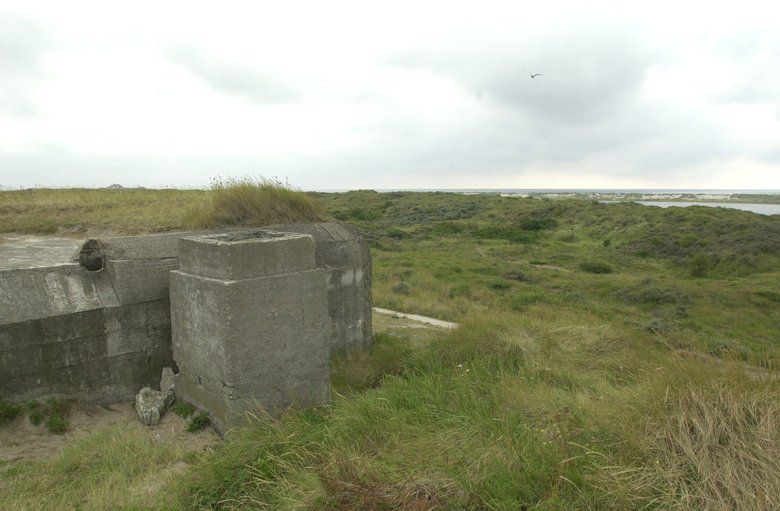
IJmuiden is a working industrial harbour town at the mouth of the North Sea Canal, about 30 kilometres west of Amsterdam, where the flat Dutch landscape meets the North Sea. It is not a conventional tourist destination — the steel mill on its northern edge is one of the largest in Europe, and much of the town exists to service the ships and the industry. But this double-facedness is exactly what makes it interesting: alongside the blast furnaces and the fish quays, there are sweeping beaches, good dune walks into the Zuid-Kennemerland National Park, and some remarkable industrial heritage.
The town came into existence in 1870 when the North Sea Canal was dug to connect the Amsterdam harbour directly to the sea. Before that, the area was a desolate plain called De Breesaap. The canal transformed it, and the opening of the IJmuiden Sea Lock complex — now, in its latest 2022 incarnation, the largest sea lock in the world — made it one of the most strategically important points in the Netherlands. The canal is 25 kilometres long and still carries enormous quantities of shipping.
The fishing fleet adds a different character to the southern harbour. IJmuiden is the largest fishing port in the Netherlands, and the fish market on the quay is a good place to eat raw herring, smoked eel, and whatever else came in that morning. The Hoogovensmuseum tells the story of the steelworks, the IJmuiden Lighthouse marks the canal entrance from 1878, and the Fort IJmuiden — now an island, cut off by later canal works — is part of the UNESCO Stelling van Amsterdam. A short drive south, the ruins of Brederode Castle sit in parkland near Santpoort-Zuid and are worth combining with a beach walk.