Oswiecim
©
Oswiecim

Oswiecim

Polish town in Silesia best known as the location of the Auschwitz-Birkenau State Museum.

Oswiecim is a mid-sized Polish town in the Silesian region, and it's primarily visited for one reason: it is the location of Auschwitz-Birkenau, the Nazi German concentration and extermination camp where more than a million people — the vast majority of them Jews — were murdered during World War II. The Auschwitz-Birkenau State Museum is one of the most visited sites in Poland and a UNESCO World Heritage Site.

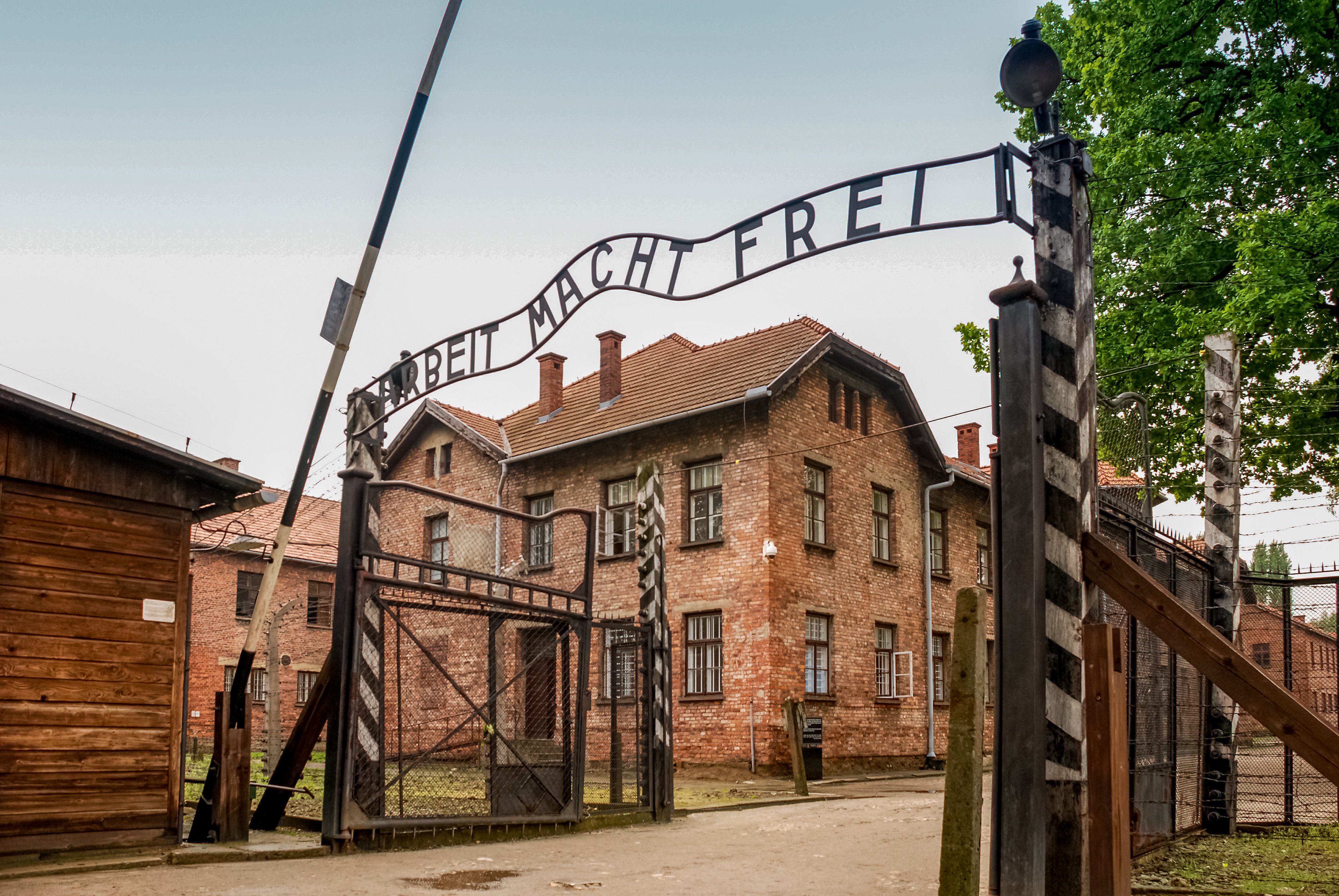
The camp complex is divided into two main parts: Auschwitz I, the original camp with its infamous "Arbeit Macht Frei" gate and the central museum buildings; and Auschwitz II-Birkenau, a few kilometers away, which is the larger extermination camp with the rail spur, ruins of the crematoria, and vast field of barracks. Both are essential to visit together, and both are sobering in very different ways. Guided tours are strongly recommended; visiting without context leaves people poorly equipped to understand what they're seeing.

Oswiecim before the war was a different place: roughly half the town's population was Jewish, with a community dating back several centuries. The Oswiecim Synagogue and Jewish heritage sites offer a glimpse of what existed before the occupation. Most visitors arrive from Krakow (about 70 km east) by train or bus and return the same day. There is accommodation in town if you want to visit early in the morning before the crowds arrive, which is worth considering in summer.

Guide

Getting There

Oswiecim is about 70 km west of Krakow and is most often visited as a day trip from there. By train, regional services run from Krakow Glowny to Oswiecim station several times daily; the journey takes about 90 minutes. From Oswiecim station, Auschwitz I is a 15-minute walk or a short bus ride.

By bus, several companies operate direct services from Krakow's bus station (Dworzec Autobusowy) to the museum, with the journey taking about 90 minutes. Many visitors come on organized day tours from Krakow, which handle transport and often include a guide. If you are driving, there is a large car park at Auschwitz I and a separate one at Birkenau. From Katowice, about 30 km north, buses and trains run frequently.

Guide

When to Go

The Auschwitz-Birkenau museum is open year-round, with longer opening hours in summer (May to September, when it opens at 7:30am and closes at 7pm or later). In winter, the site closes earlier and some outdoor areas can be bleak in cold weather — though the emptiness of the site in winter has its own particular weight. Crowds are heaviest in July and August, when tour groups from across Europe and beyond converge and timed entry slots fill weeks in advance.

The best times to visit are spring (April–May) or autumn (September–October), when the weather is reasonable and crowds are manageable. January 27 — International Holocaust Remembrance Day — sees a particularly significant commemoration ceremony at the site, with survivors (increasingly elderly now), dignitaries, and large public attendance.

Book your timed entry slot well in advance if visiting between April and October. Mid-week visits are quieter than weekends. Arrive at opening time if possible, before tour buses arrive.