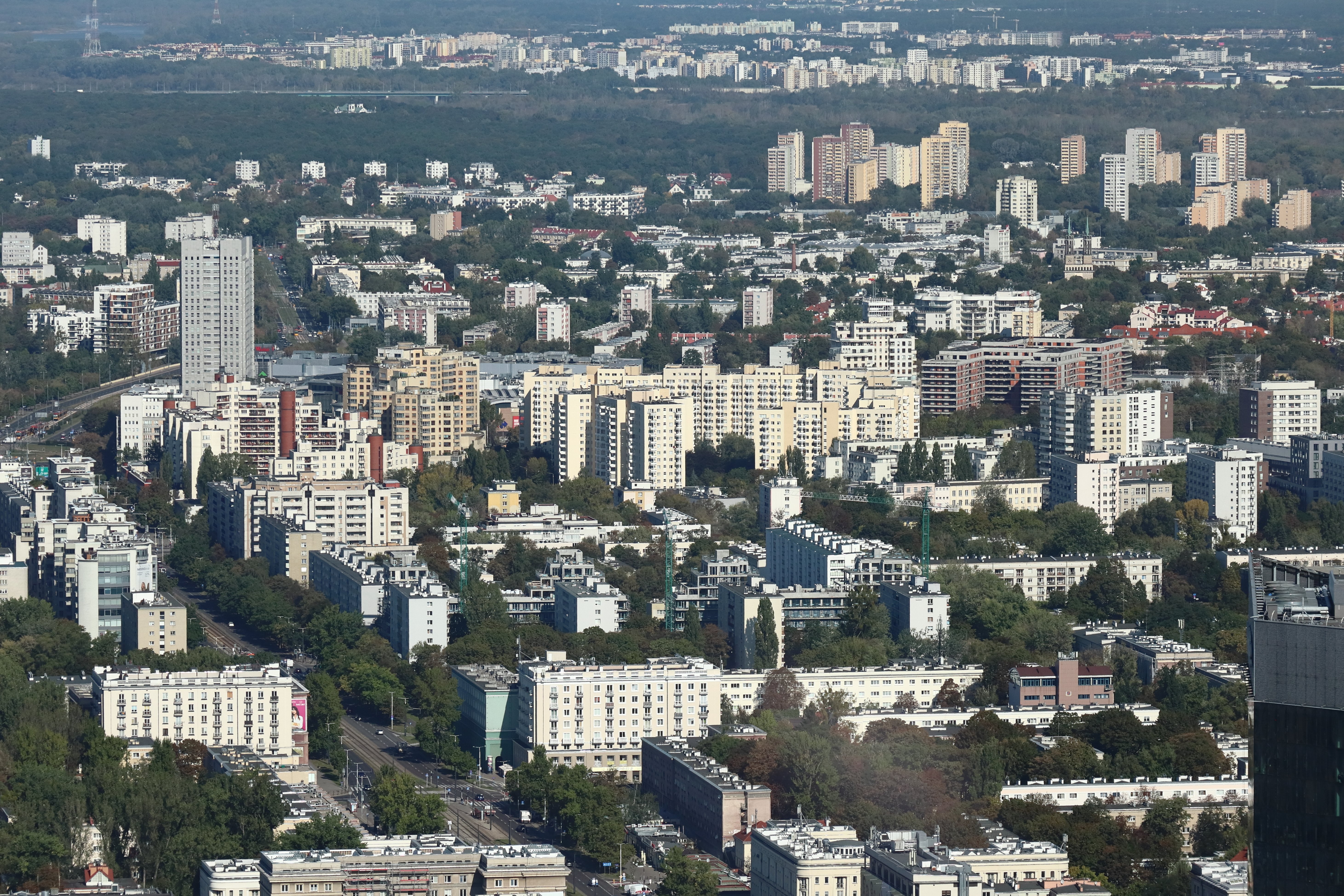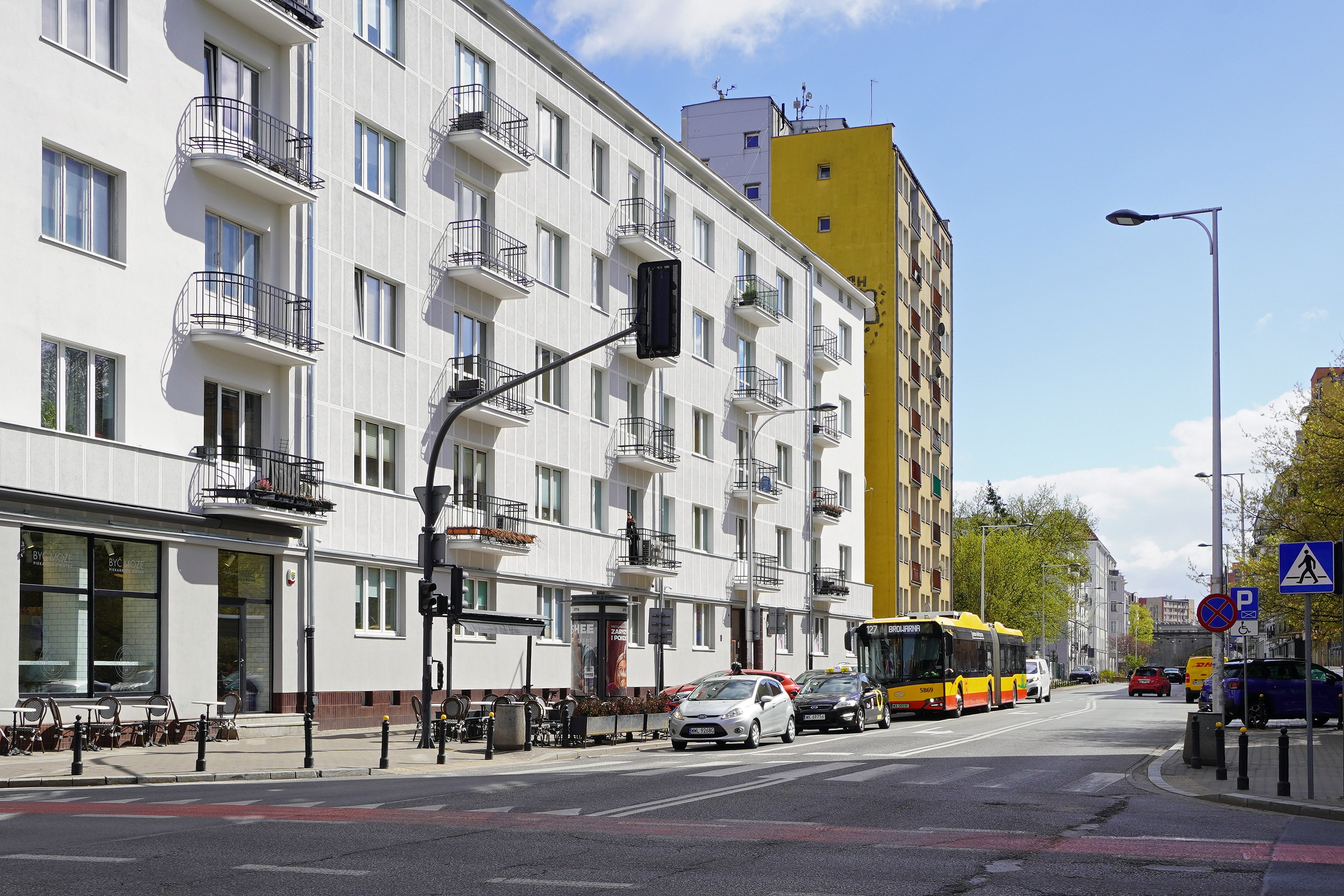
Warsaw is not a beautiful city in the conventional sense. Ninety percent of it was systematically destroyed by the Germans after the 1944 Warsaw Uprising, and much of what you see today was built in the communist period. But it is a fascinating and increasingly dynamic city, with a history so extreme that its traces are everywhere.
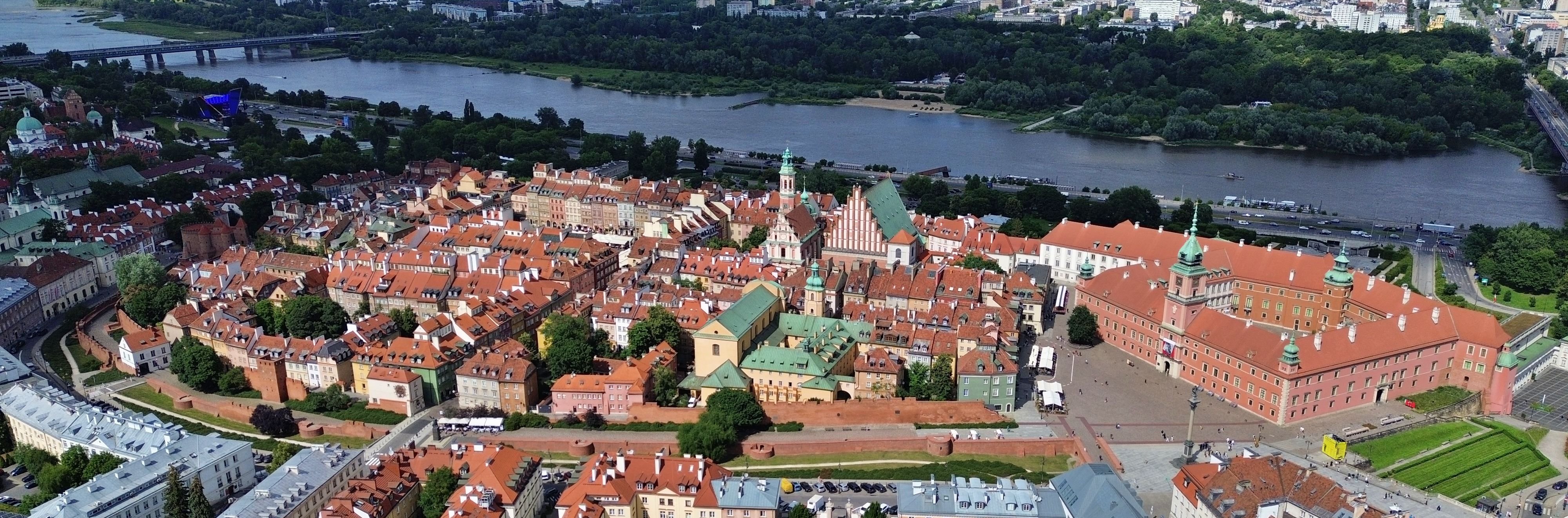
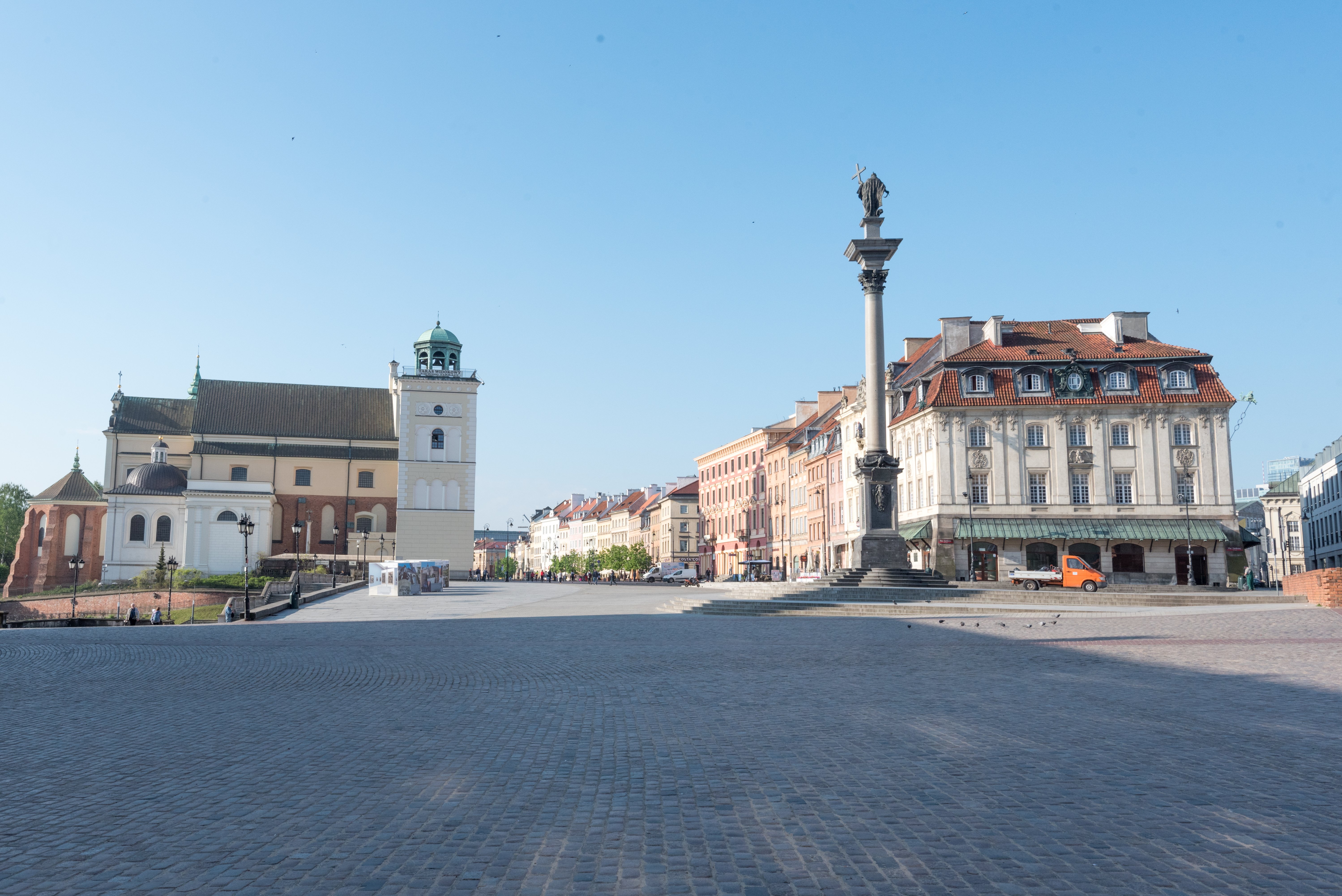
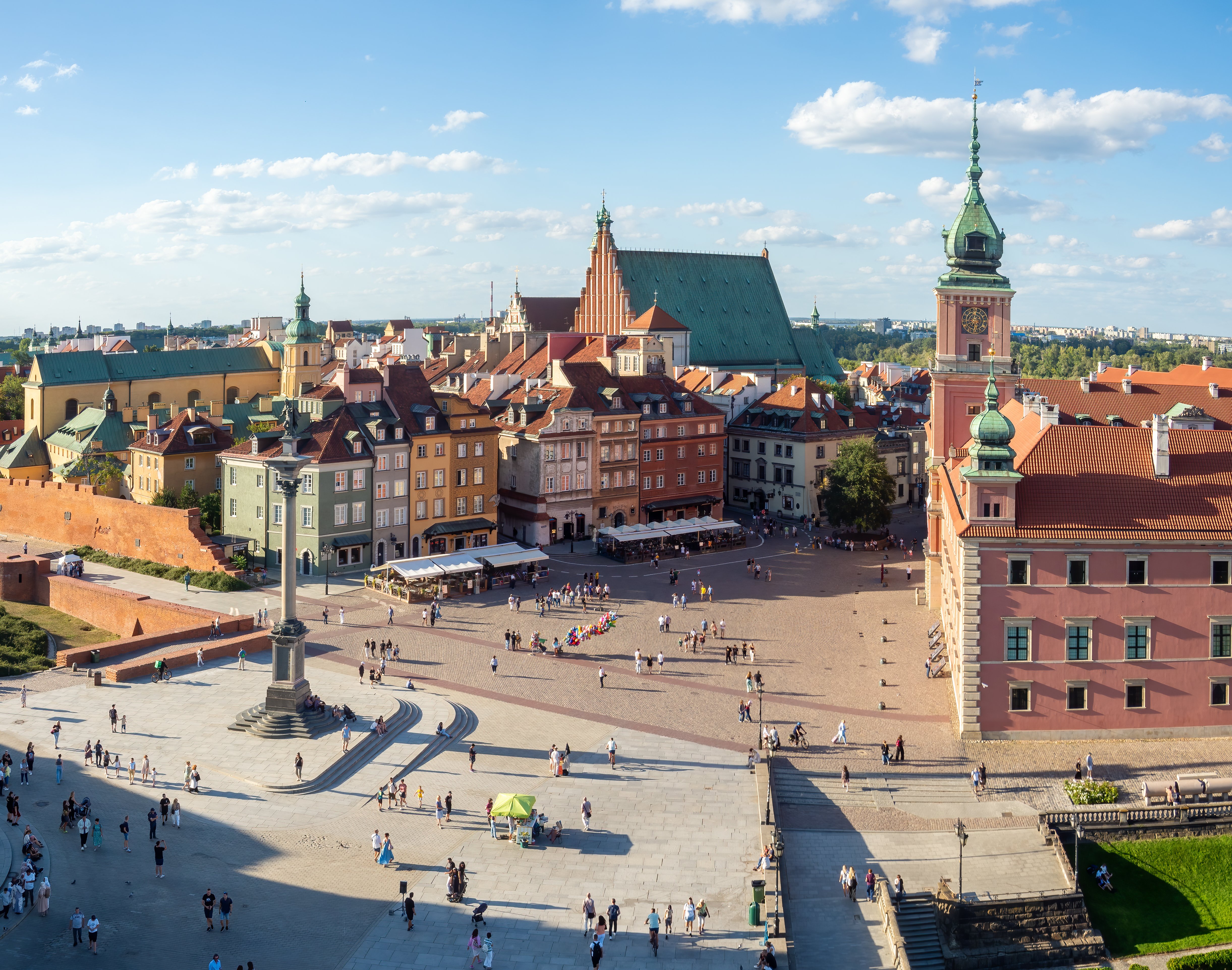
The Old Town — completely rebuilt from photographs after the war — is a UNESCO World Heritage Site and the most visited part of the city. The Royal Castle at its edge, also rebuilt, is the symbolic centrepiece. Walking south along the Royal Route (Krakowskie Przedmieście) takes you through palaces, churches, and gardens ending at the magnificent Łazienki Park with its lakeside palace. The Warsaw Rising Museum, a short walk west of the Old Town, is one of the best history museums in Europe and is essential for understanding modern Poland.
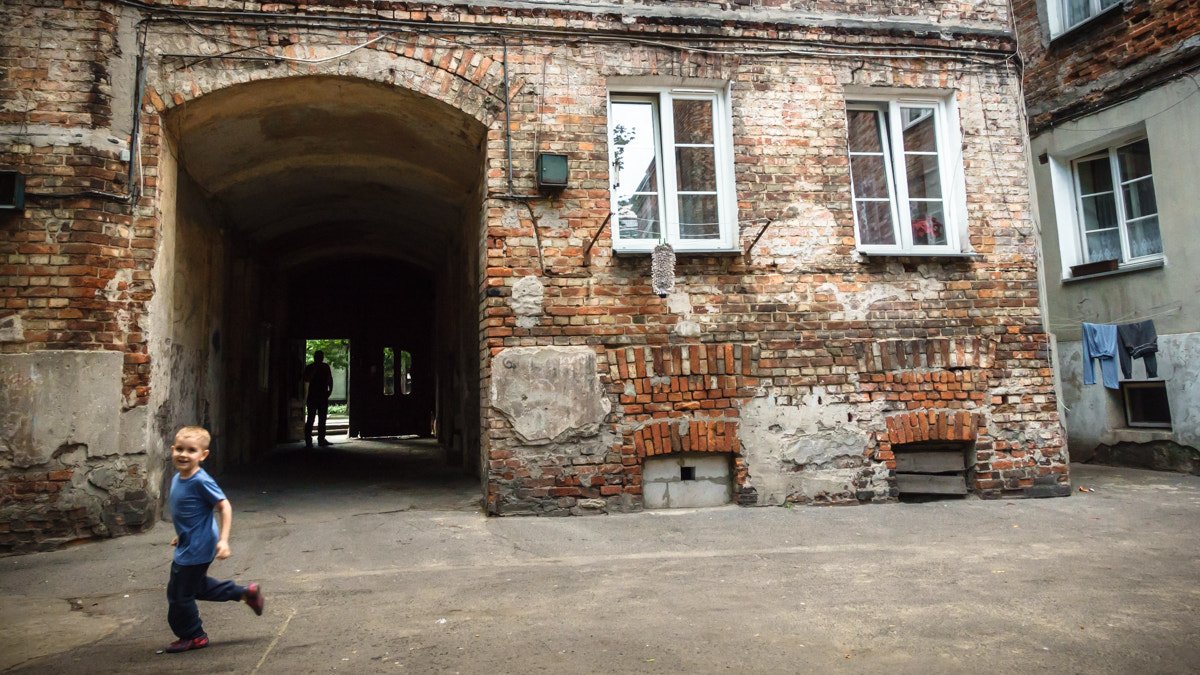
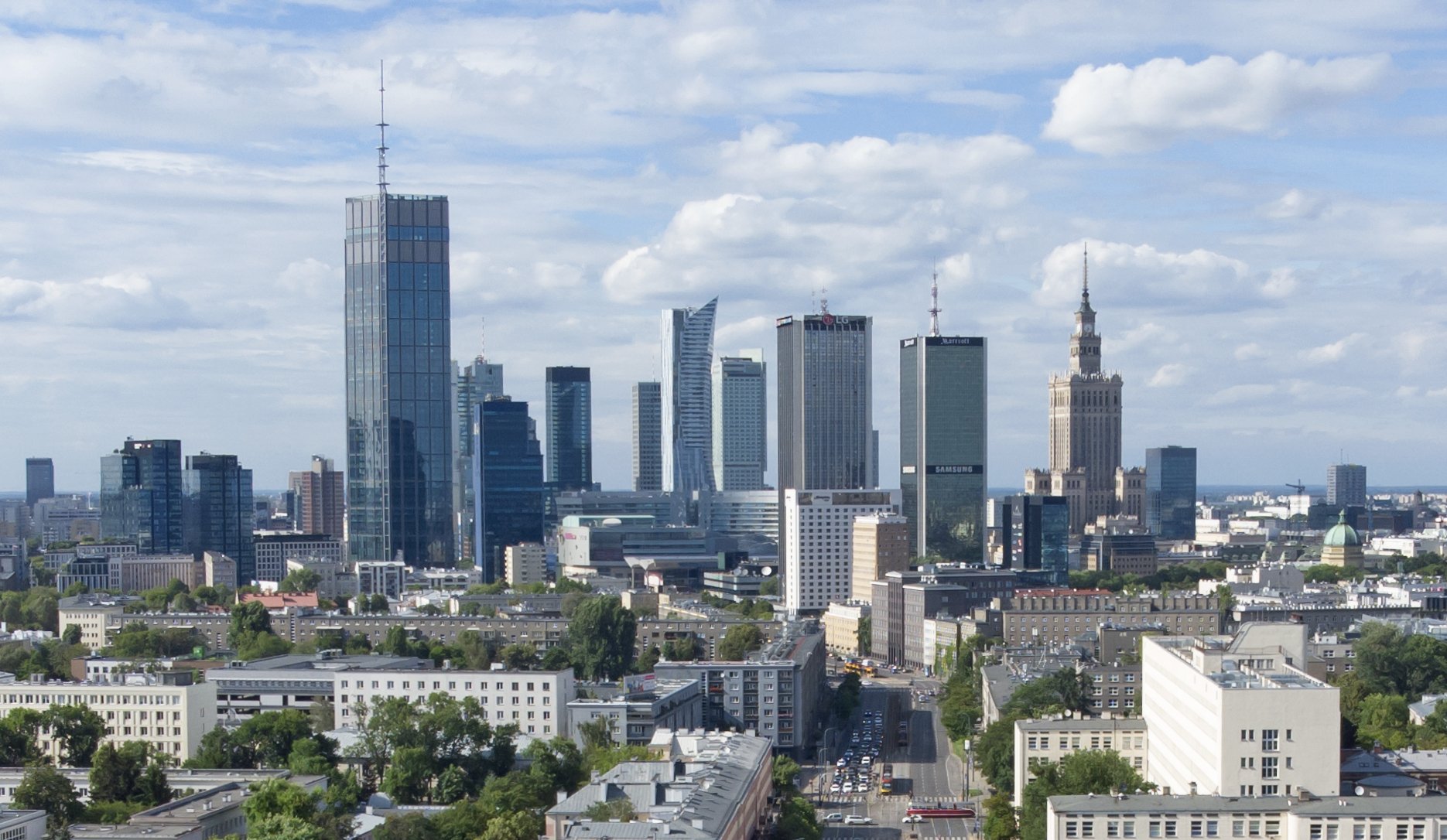
Warsaw has reinvented itself since 1989 and the centre now has a skyline of glass towers alongside the Stalinist Palace of Culture. The food and nightlife scenes are excellent, particularly in the Praga district across the Vistula — a rougher, more authentic part of the city that has developed rapidly since the mid-2000s. POLIN Museum, built on the site of the Warsaw Ghetto, is one of the finest history museums in Europe.
Chopin was born near Warsaw and spent much of his life here. His music is performed at outdoor concerts in Łazienki Park every Sunday in summer.