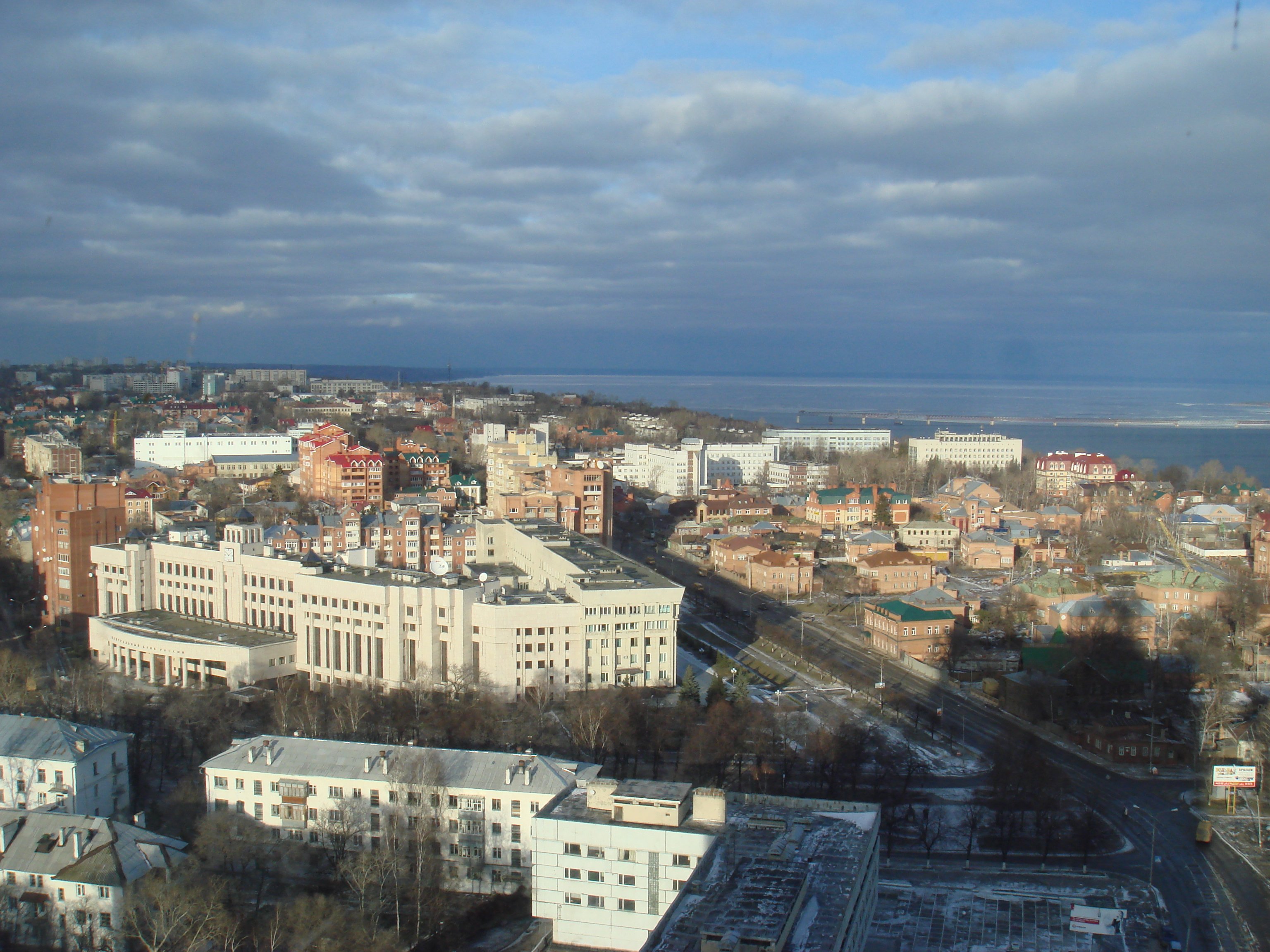
Ulyanovsk
©
Ulyanovsk

Ulyanovsk

Volga River city and Lenin birthplace, still marked by Soviet memorials and Simbirsk merchant streets.

Ulyanovsk sits on the high western bank of the Volga River, about 700 kilometres east of Moscow, and it is a city defined by one fact: Vladimir Lenin was born here in 1870. The Soviet authorities never let anyone forget it. They renamed the city (it was called Simbirsk until 1924), built a vast memorial complex on the bluffs above the river, and preserved Lenin's childhood home with almost religious devotion. The result is a city unlike any other in Russia — a living museum of Soviet ideology, now slowly making peace with a post-Soviet identity.

Beyond the Lenin cult, Ulyanovsk rewards the curious visitor. The old merchant town of Simbirsk was a prosperous place, and a handful of handsome 19th-century streets survive around the historic centre. The writer Ivan Goncharov, author of Oblomov, was also born here, and the city has a good Goncharov Literary Museum dedicated to him. The Volga itself is ever-present — wide, slow, and imposing — and in summer the riverbanks and the beaches on the far side draw locals out in numbers.

The city of around 600,000 is the capital of Ulyanovsk Oblast, a region that stretches across the Middle Volga forest-steppe. Roughly 73 percent of residents are Russian, with significant Tatar, Chuvash, and Mordvin minorities — a reminder that this part of the Volga has always been a meeting point between Slavic and Turkic worlds.

Ulyanovsk is not on the standard tourist trail, and that is part of its appeal. You can spend time in the Lenin Memorial Centre without irony or crowds, walk quiet streets where Soviet-era apartment blocks stand next to wooden merchant houses, and get a genuine sense of a Russian provincial city that has not been packaged for visitors. The Novy Venets Boulevard provides the best overview of both the city and the Volga, while the Museum of the History of Civil Aviation and the Simbirsk Architecture Museum fill out the picture.

Guide

Eating Out

Ulyanovsk's restaurant scene is typical of a mid-size Russian provincial city: solid Russian and Soviet-style cooking, a scattering of Georgian and Central Asian places, and a few more ambitious modern establishments in the centre. The city's Tatar and Chuvash minorities mean that you can find genuinely good Central Volga regional food if you look for it.

Pelmen (dumplings), borscht, and grilled meats are the staples everywhere. Georgian restaurants — popular across Russia — tend to be reliable choices for khachapuri and khinkali. For local colour, look for places that serve chak-chak (the Tatar honey-pastry dessert) and echpochmak (a triangular meat-and-potato pastry).

Guide

Getting Around

Ulyanovsk has a public transport network of trams, trolleybuses, and buses that covers the main districts. The tram system is the most reliable way to get between the city centre and the residential areas; trolleybus routes 1 and 4 connect the northern and central parts of the city.

Taxis are widely available and reasonably priced by Western standards. The ride-hailing app Yandex Go operates here and is more convenient than flagging a car on the street. The historic centre, including Novy Venets Boulevard and the Lenin memorial complex, is compact enough to cover on foot once you have arrived.

Guide

Getting There

Ulyanovsk is accessible from Moscow by air and by rail. The city has two airports — Baratayevka (ULV) handles domestic flights, and the larger Ulyanovsk Vostochny (ULY) also serves cargo and some charter traffic. Flights from Moscow Domodedovo take around 1 hour 25 minutes.

By rail, several trains a day connect Moscow's Kazansky station with Ulyanovsk, with a journey time of around 16 hours. There are also connections from Kazan (roughly 4 hours) and Samara (around 5 hours), making Ulyanovsk a reasonable stop on a Volga itinerary.

Guide

Things to Do

Ulyanovsk is defined by its Lenin heritage — the Soviet state invested heavily in turning the birthplace of Vladimir Ilyich Ulyanov into a pilgrimage site, and the results are impressive even to visitors with no ideological attachment. The Lenin Memorial Centre and the cluster of preserved Ulyanov family homes occupy a whole neighbourhood on the high Volga bluff. Beyond the Lenin trail, the city has a fine 19th-century merchant town core, a literary museum devoted to the novelist Ivan Goncharov, and wide views over the Volga from Novy Venets Boulevard.