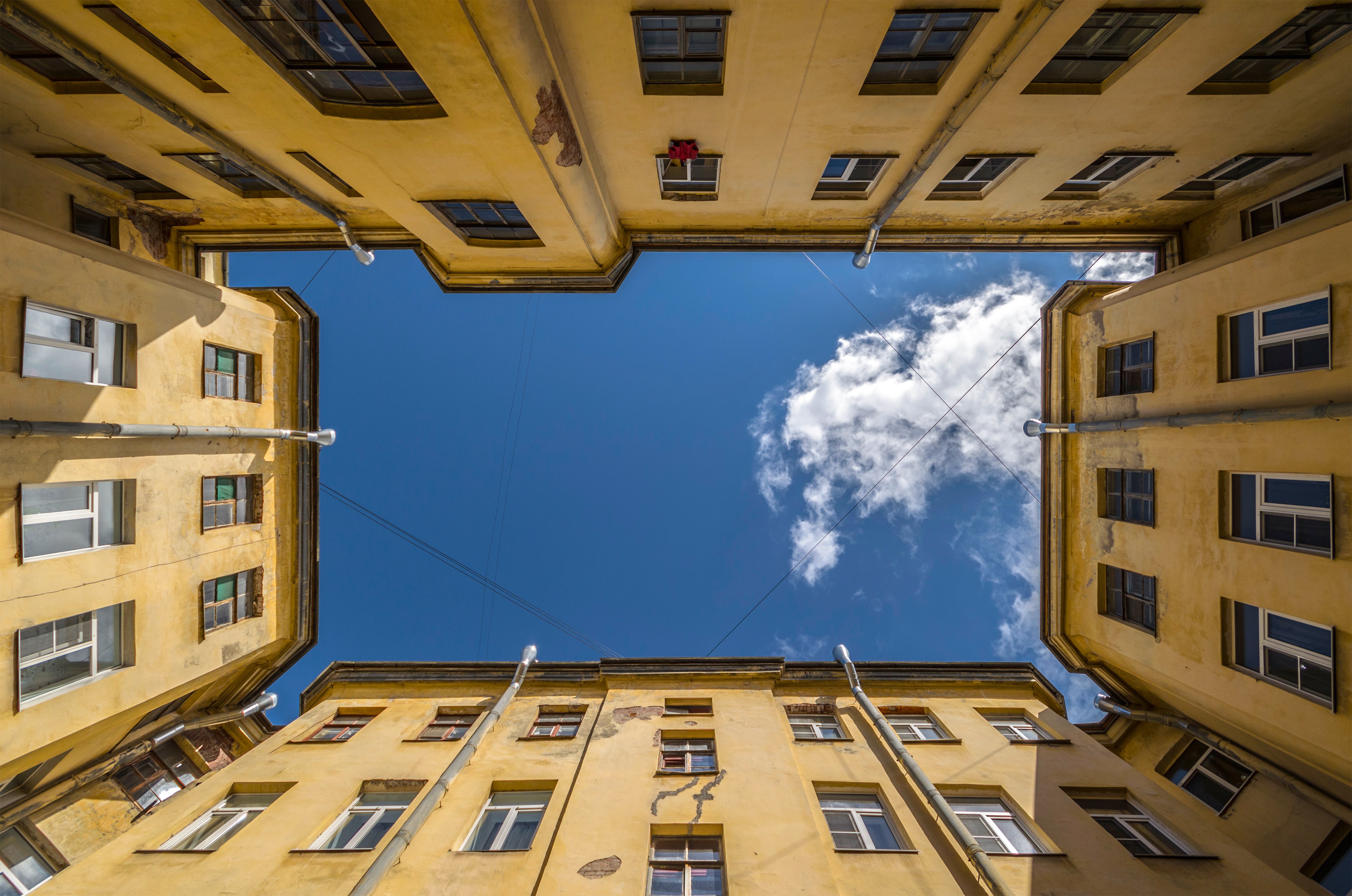
St Petersburg is Russia's cultural capital and one of Europe's most beautiful cities. Founded in 1703 by Peter the Great as a window to the West, it was designed from scratch on the marshy banks of the Neva delta — a grand experiment in urban planning that produced an extraordinary cityscape of baroque palaces, neoclassical facades, and canals that invite easy comparisons to Venice and Amsterdam.
The Hermitage alone could justify a trip, but the city has far more to offer. Nevsky Prospekt, the main artery, is lined with churches, theaters, and shops, including the Art Nouveau Singer House and the gilded Eliseyev Emporium. The network of rivers and canals — the Neva, the Moyka, the Fontanka, the Griboedov — divide the city into islands and provide orientation, all crossed by the great drawbridges including the central Palace Bridge. North of the Neva, the Peter and Paul Fortress marks where it all began. The mosaicked Church of the Savior on Spilled Blood and the towering St Isaac's Cathedral are the two other essential interiors, and the imperial summer palaces at Peterhof and Tsarskoye Selo deserve a day each.
St Petersburg has known many names. It became Petrograd in 1914, then Leningrad in 1924 after the revolution it helped spark. The city endured a devastating 872-day siege during World War II. In the early 1990s, residents voted to restore the original name. That history of reinvention runs deep — you feel it in the contrast between imperial grandeur and a scrappy, creative nightlife scene that thrives in basements and courtyards.
The White Nights of June and July, when the sun barely sets, are the most magical time to visit. The drawbridges open after midnight and the whole city seems to stay up to watch.