Askersund
©
Askersund

Askersund

Wooden Swedish lake town where Lake Vättern opens into islands and Tiveden forest.

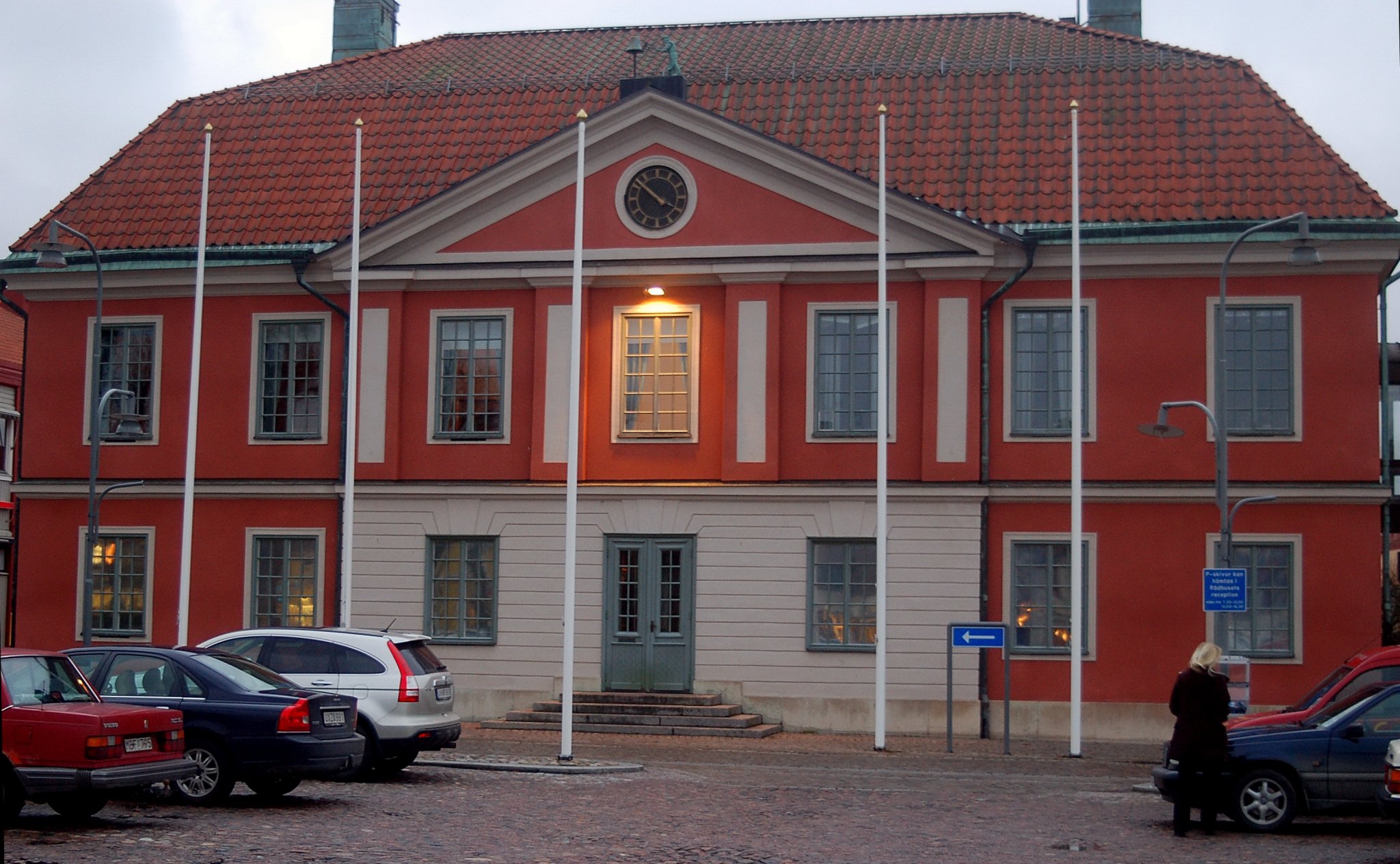
Askersund is a small wooden town at the northern tip of Lake Vättern in the province of Närke. It grew up around iron mining — nails and scythes were the local speciality — and the old centre still has the charm of painted timber houses and a handful of cafes along the harbour.

The main attraction is the lake. Vättern narrows here into an archipelago of about 50 islands, excellent for canoeing and small-boat exploring. Southwest of town lies Tiveden National Park, one of Sweden's wilder forests — deep ravines, mossy boulder fields, and lakes hidden in old-growth woodland. Several smaller nature reserves are scattered around the area as well. On the eastern shore, the old zinc-mining village of Åmmeberg is worth a detour for its industrial heritage and quiet swimming spots.

Guide

Eating Out

Askersund has a small selection of cafes and restaurants concentrated around the harbour. The waterfront terrace places are the obvious choice in summer; expect simple Swedish fare — fish, open sandwiches, and seasonal specials.

Guide

Getting There

Askersund has no train station. The nearest rail connections are at Laxå (about 30 km west) and Hallsberg (45 km northwest), both on the main Stockholm–Gothenburg line. Buses connect both stations to Askersund, though services are infrequent — check Länstrafiken Örebro timetables before travelling.

By car, Askersund is straightforward: roughly 230 kilometres from Stockholm (about 2.5 hours) and 200 kilometres from Gothenburg (2 hours). The road along the western shore of Vättern (Route 50) offers good lake views on the approach from the south.

Guide

When to Go

Summer (late June to August) is the obvious season — the archipelago and national park are at their best, boat hire is available, and the harbour comes alive. The lake water warms enough to swim by late July.

Spring is good for Tiveden: the birdlife is active, the ravines are full of snowmelt, and the park is quiet. Autumn brings good mushroom foraging in the forests and fine colour in the birch trees. Winter is cold and dark but the archipelago freezes solid in most years, making for excellent cross-country skiing across the ice.