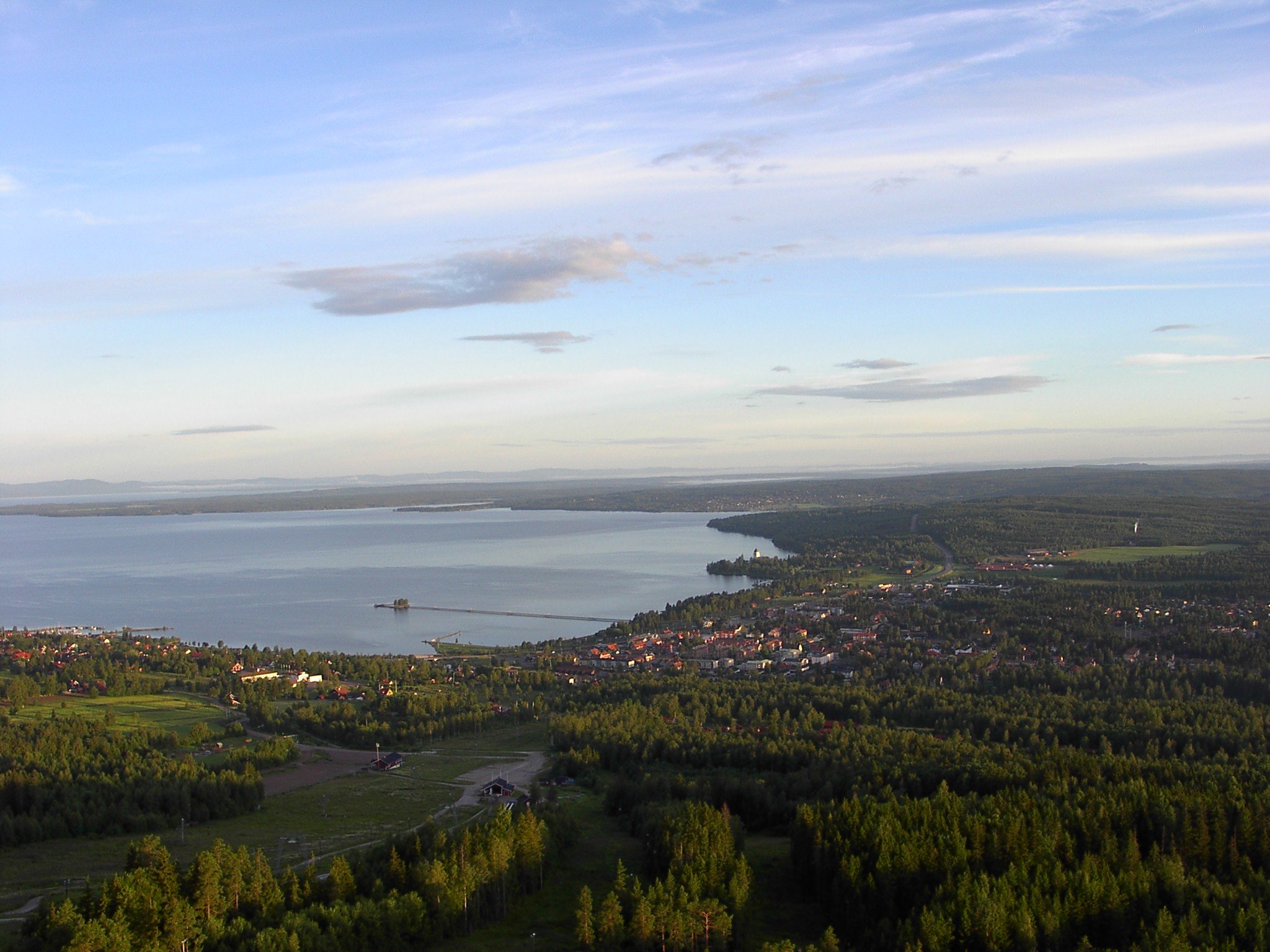
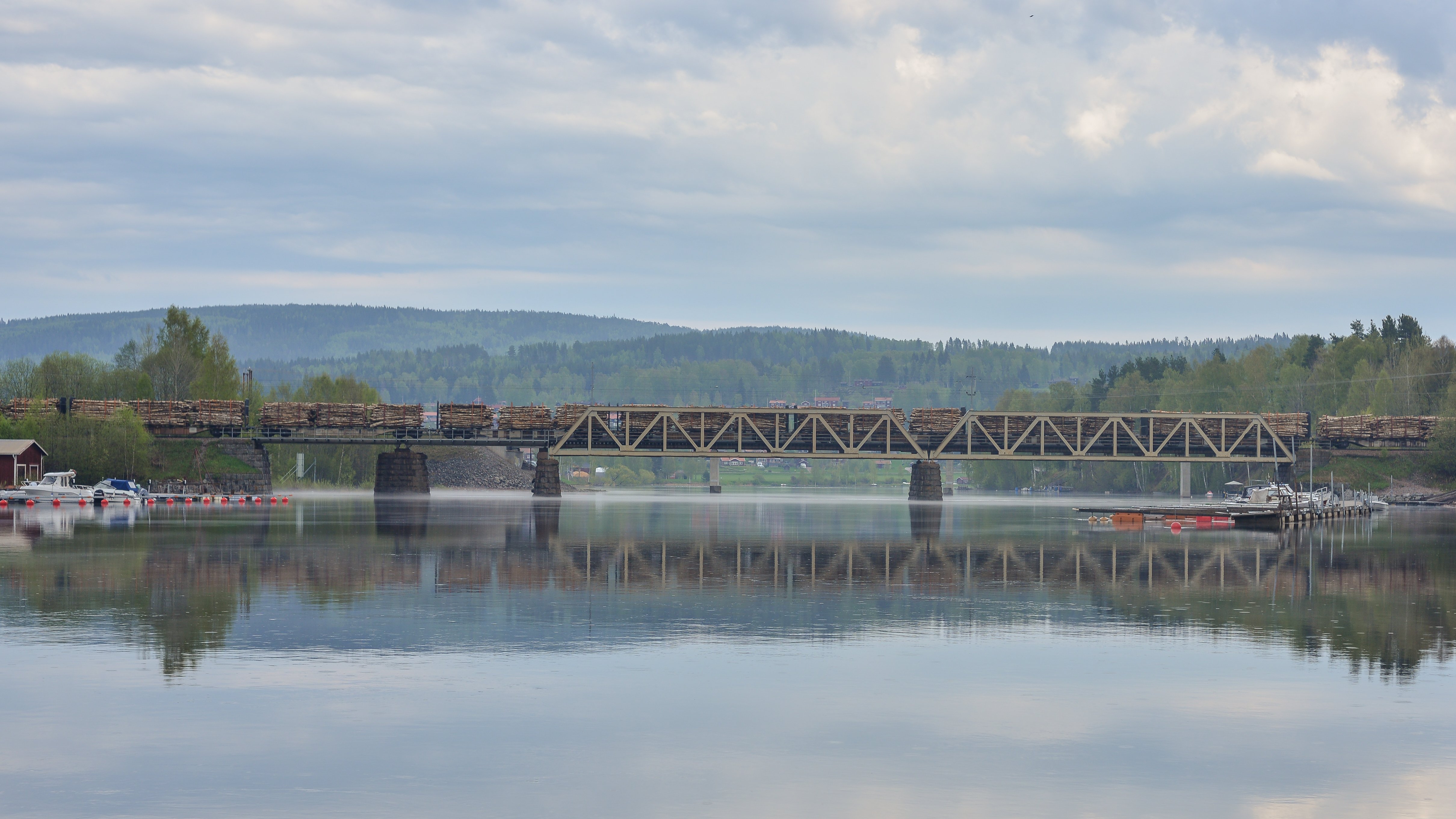
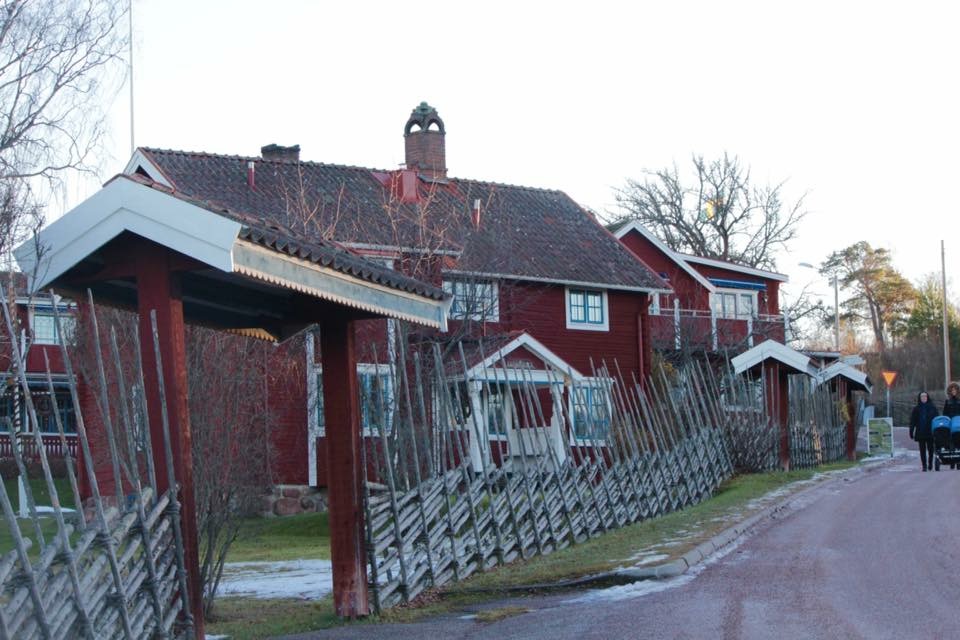
Lake Siljan has given its name to the heart of Dalarna, the province in central Sweden that Swedes themselves regard as the most classically Swedish. The lake sits inside a vast impact crater formed by a meteorite some 360 million years ago — the landscape gentle and ancient-feeling. The villages around it have preserved traditional Swedish rural culture more stubbornly than almost anywhere else in the country. Farmhouses are built of logs and painted in the deep red oxide pigment from the copper mine at Falun, and many are several hundred years old, some with painted interiors that have never been updated.
The crafts here are part of everyday life rather than museum exhibits. The Dalecarlian horse — the carved, painted wooden horse that became Sweden's unofficial folk symbol — is still made by hand at Nusnäs. The village of Våmhus is known for a different and stranger tradition: decorations woven from human hair. Across the region, handicraft studios and market stalls are easy to find.
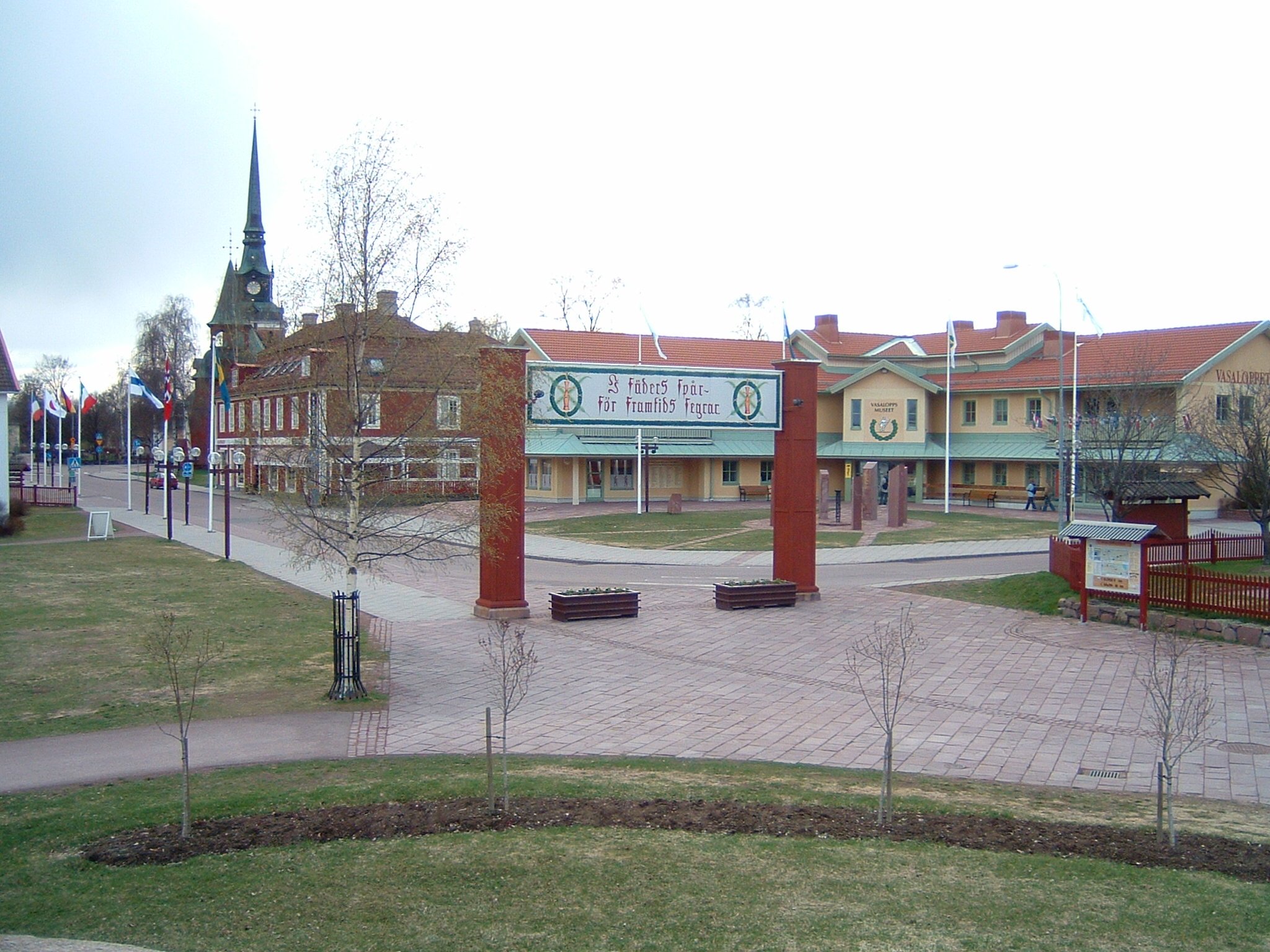
Every first Sunday in March, the Vasaloppet ski race finishes at Mora on Siljan's western shore. Around 15,000 skiers complete the roughly 90-kilometre course from Sälen, making it the world's largest cross-country ski race. The summer season brings concerts in churches and village squares throughout the area, and the open-air opera venue at Dalhalla — a former limestone quarry near Rättvik with extraordinary natural acoustics — draws large audiences from across Sweden. Car enthusiasts will know the Classic Car Week held at Rättvik each summer.
Beyond the race, Mora is worth a stop in its own right for the Zorn Museum, the world's largest collection of work by Anders Zorn, the Dalarna-born painter who became one of the most sought-after portraitists of the late 19th century. In Rättvik, Långbryggan — a 628-metre wooden pier extending into the lake — is the most pleasant place to watch the sunset over Siljan.
Beyond the lake, forests stretch out in every direction, with elk, bear, and occasional wolves. The developed nature area at Grönklitt, beyond Orsa, is worth a detour. Tourist offices in Mora, Rättvik, Leksand, and Orsa can help with routes and accommodation throughout the area.