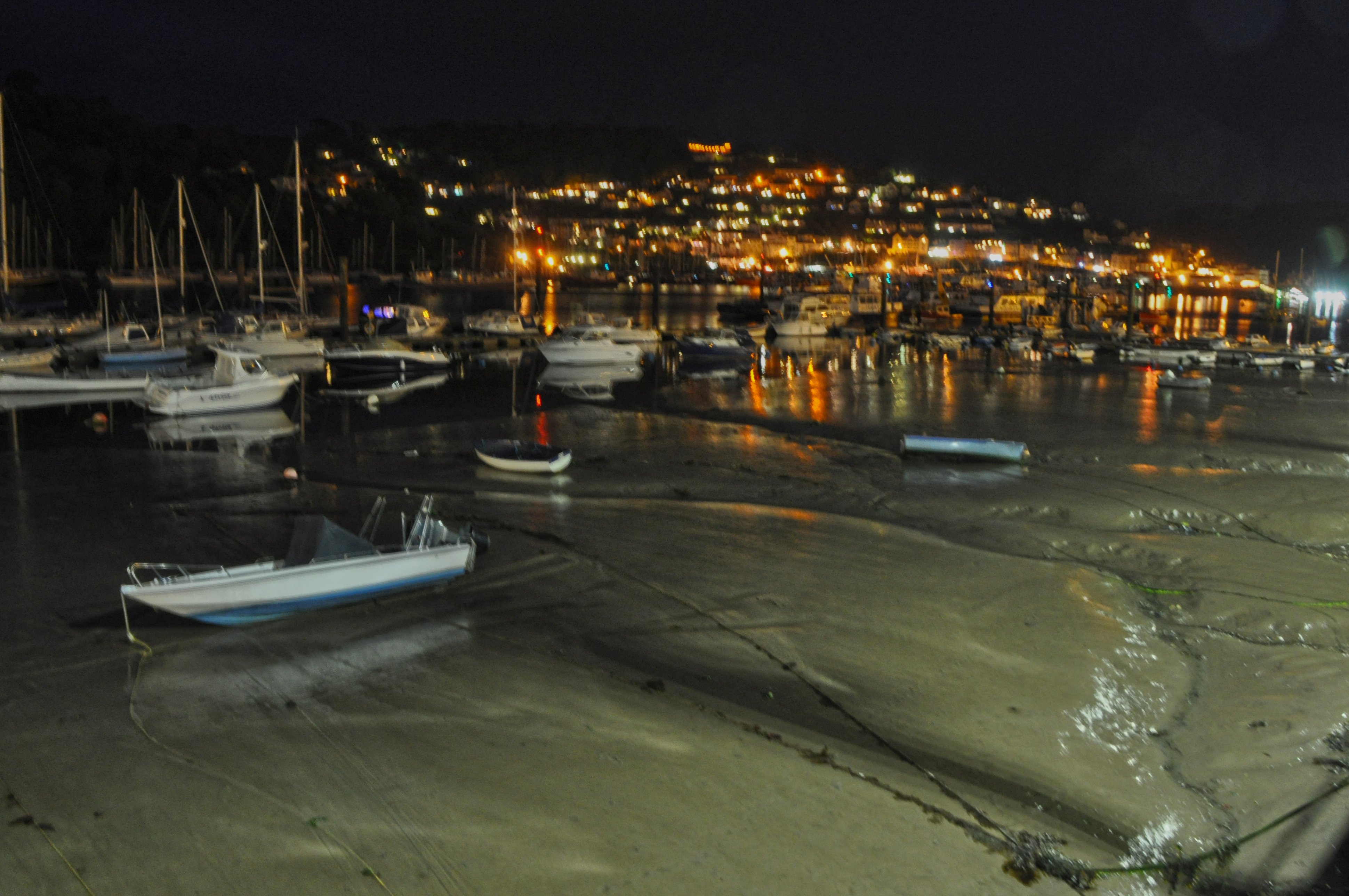
Europe > United Kingdom > England > Bristol, Plymouth and the South West > Devon > Dartmouth
Dartmouth sits at the mouth of the River Dart, clinging to a steep hillside above one of the most beautiful natural harbours in the west of England. The town has no road bridge — to cross the river you take a ferry — and this isolation from the main traffic arteries has preserved its character more completely than most Devon towns its size. The narrow streets, the Butterwalk with its carved timber overhangs, and the working boats on the river all give Dartmouth a feeling of genuine saltiness rather than the polished tourist version.
The Britannia Royal Naval College dominates the hill above town, training Royal Navy officers since 1905. Every monarch since George V has been educated there. Below it, Bayard's Cove Fort guards the harbour mouth, a small 16th century cannon platform from which the Pilgrim Fathers reportedly departed in 1620. The Thomas Newcomen Engine in a small pavilion on the quay commemorates the town's most famous son — the inventor of the first practical steam engine.
Greenway, Agatha Christie's holiday home a few miles upstream, is now a National Trust property open to the public. The house feels remarkably unchanged from her time, which is more than can be said for most literary homes. A ferry runs there from Dartmouth in summer, making the trip itself part of the pleasure. Further down the coast, Dartmouth Castle guards the harbour entrance with a view that explains why the town has been a naval base for centuries.
Getting to Dartmouth requires some effort, which is probably why it has stayed so good. There is no railway station on the Dartmouth side of the river — the Dartmouth Steam Railway runs to Kingswear on the opposite bank, from where a ferry crosses. From London the train to Totnes or Exeter, then a bus or taxi, is the practical approach.