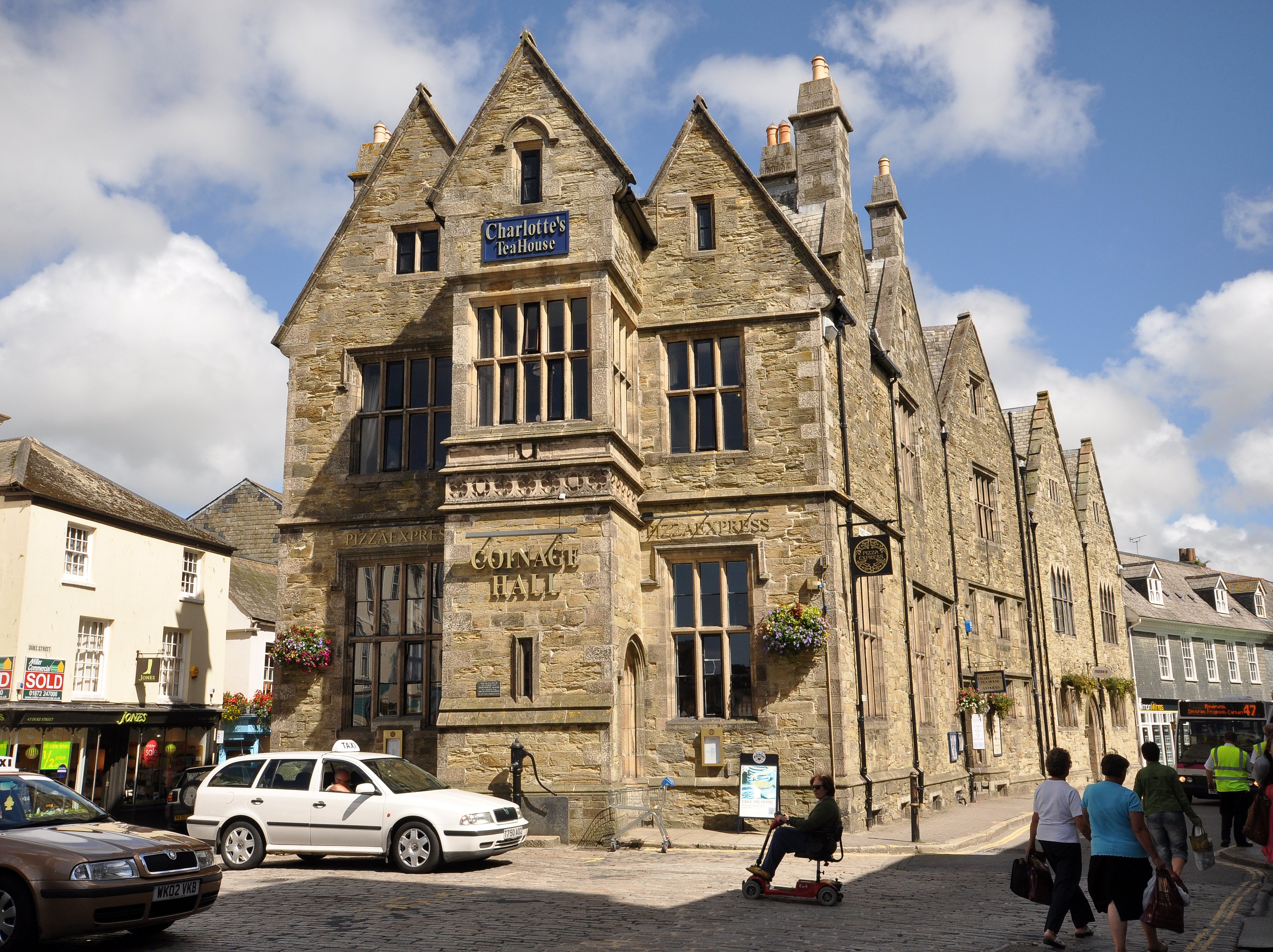
Cornwall's only city, set on a tidal river and anchored by a three-spired cathedral
Truro is the only city in Cornwall and its administrative, commercial, and cultural centre. It sits at the head of the Truro River, a tidal estuary that eventually opens into the Carrick Roads, one of the world's largest natural harbours.
The city's most striking feature is its cathedral — the Cathedral Church of the Blessed Virgin Mary — built between 1880 and 1910 in a neo-Gothic style that incorporates the south aisle of the earlier parish church of St Mary. Three spires dominate the city centre, visible from the surrounding hills. The city centre is compact and walkable, with Georgian townhouses and Victorian streets lined with independent shops and cafes.
The Royal Cornwall Museum on River Street holds the finest collection of Cornish minerals in the world, along with strong archaeology and art galleries. The Hall for Cornwall is one of the south-west's main regional theatres. The Lander Monument in Lemon Street Gardens commemorates Richard Lander, a Truro-born explorer who was the first European to trace the course of the River Niger.
Truro makes a practical base for exploring central and south Cornwall, and is on the main railway line from London Paddington. Falmouth is a short bus or boat ride away, and the coast at Perranporth and Portscatho is within easy reach.
Guide
Getting Around
The city centre is compact and easily walkable — the cathedral, Royal Cornwall Museum, Hall for Cornwall, and the main shopping streets are all within five minutes on foot of each other. The railway station is about ten minutes' walk from the cathedral.
Local buses connect Truro to surrounding villages and the coast, though services can be infrequent outside peak hours. A car is useful if you plan to explore the wider Cornish countryside, though parking in the city centre is limited and can be expensive in summer. Park-and-ride services operate from the outskirts.
The seasonal Truro to Falmouth passenger ferry is the pleasantest way to reach Falmouth — about an hour on the water, with views of the Carrick Roads.
Guide
Getting There
Truro is on the main Great Western Railway line from London Paddington — the journey takes about four and a half hours to five hours, with a change at Par for some services. Direct trains also run from Birmingham New Street. Trains from Plymouth take about an hour. The railway station is a ten-minute walk from the city centre.
By road, Truro is about 300 miles from London via the A30 — allow five to six hours. The nearest airports are Newquay Cornwall Airport (about 15 miles north, with flights to London Stansted and some regional UK destinations) and Exeter Airport (about 70 miles east, with broader connections).
Buses connect Truro to all the major Cornish towns — Penzance, Falmouth, St Ives, and Newquay are all straightforward day trips by bus.