Wolverhampton does not try to charm you, and that honesty is part of its appeal. This is a big, sprawling Black Country city with deep industrial roots, a proud Sikh and Caribbean community, and a football club that has been punching above its weight in the Premier League. It is not on many tourist itineraries, but visitors who do come will find a city with more substance than its reputation suggests.
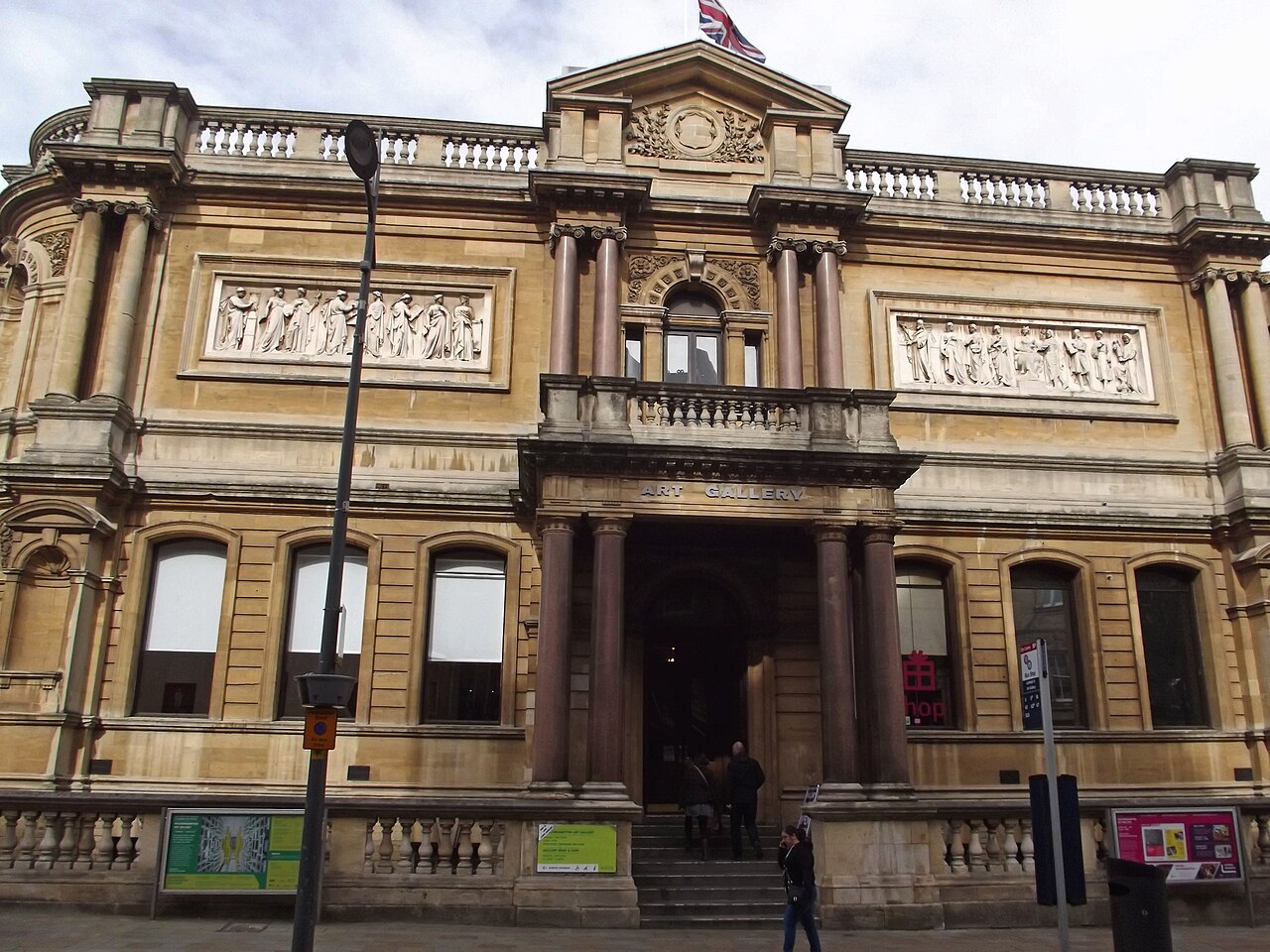
The Wolverhampton Art Gallery is the standout attraction and genuinely one of the best free galleries outside London. Its Pop Art collection is exceptional, with works by Warhol, Lichtenstein, and Peter Blake, and the building itself is a handsome Victorian affair on Lichfield Street. The gallery also holds an important collection of eighteenth-century painted enamels, reflecting the city's craft heritage. Next door, the Grand Theatre is a beautiful Frank Matcham venue that hosts touring West End shows and one of the better regional pantomimes each Christmas.
The city centre is a mix of Victorian civic buildings and postwar concrete, with St Peter's Church at its heart dating back to the fifteenth century. The market is worth a wander, particularly for the Caribbean and South Asian food stalls. Bilston Street and the Mander Centre are not going to win any beauty contests, but the city has been investing in its public spaces and the area around Queen Square has improved noticeably in recent years. Molineux Stadium, home to Wolverhampton Wanderers, sits just north of the centre and is central to the city's identity.
For a day trip, Wightwick Manor is just a couple of miles west of the centre. This National Trust property is one of the finest examples of Arts and Crafts design in the country, stuffed with William Morris wallpapers, De Morgan tiles, and Pre-Raphaelite paintings. It is an unexpected gem this close to a city centre and well worth the short bus ride.