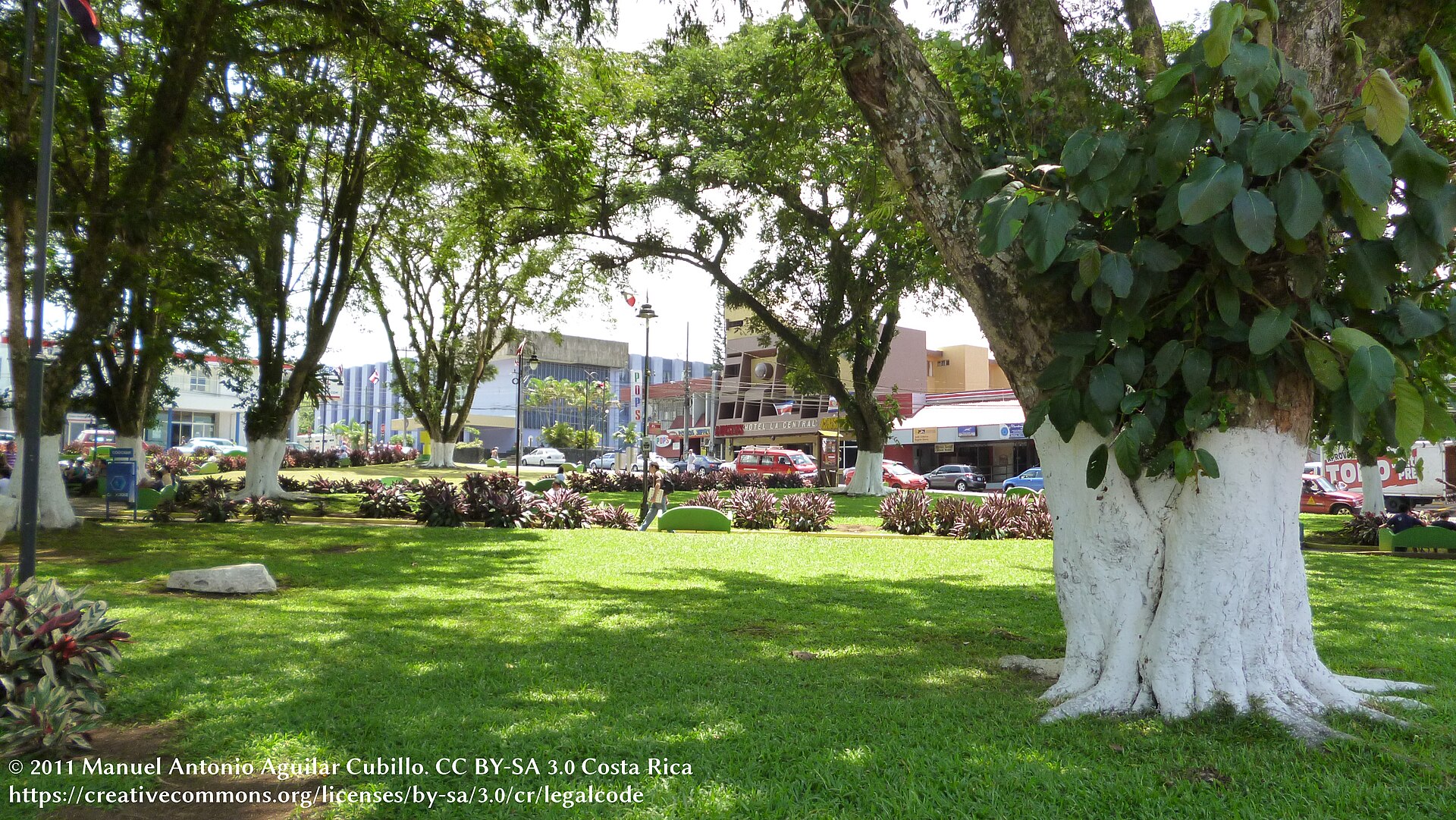
Ciudad Quesada, universally known locally as San Carlos, is the commercial hub of Costa Rica's northern lowlands. The town itself sits at a moderate elevation on the slopes descending from the Central Volcanic Range, which gives it a slightly cooler climate than the steamy plains below. Most travelers pass through on their way to La Fortuna and Arenal Volcano, but Ciudad Quesada has its own low-key appeal as a working Costa Rican market town untouched by the tourist economy.
The central market is the main attraction for visitors, a bustling covered space where you can eat a casado lunch for a few dollars surrounded by local families rather than backpackers. The town is the center of Costa Rica's cattle and dairy country, and the local cheese and natilla (sour cream) are notably good. A Saturday livestock auction on the outskirts gives you a window into the agricultural life that sustains the region.
From Ciudad Quesada, the road drops through increasingly lush scenery toward the northern lowlands, passing hot springs, waterfalls, and small farming communities. The Termales del Bosque hot springs, about 20 minutes outside town, offer thermal pools in a forest setting without the resort prices you will find closer to Arenal. If you want to see a side of Costa Rica that most tourists miss entirely, spend a night in San Carlos.