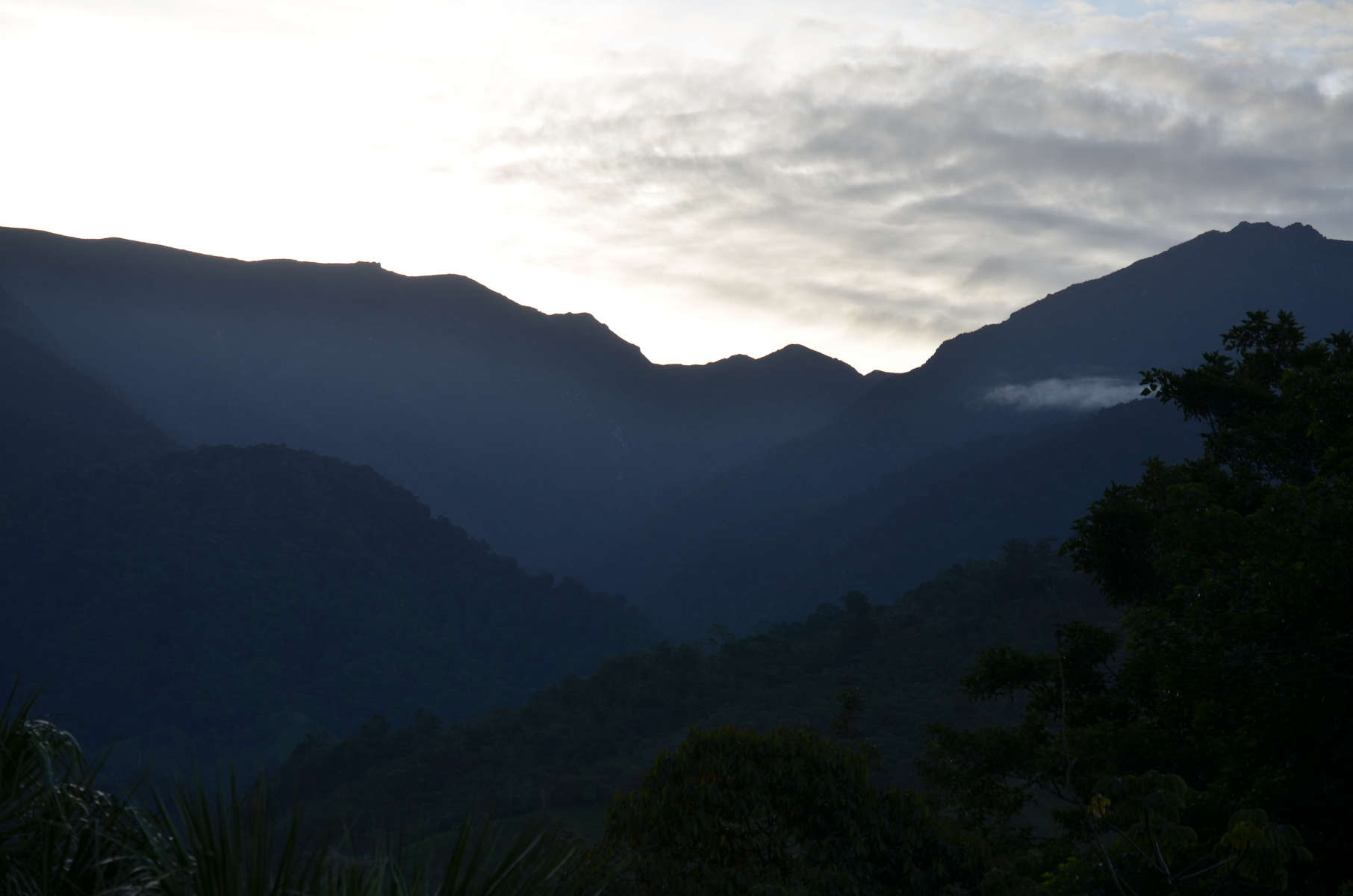
Talamanca mountain village and trailhead for Cerro Chirripó, Costa Rica's highest peak.
San Gerardo de Rivas is a small village in the Talamanca mountains of southern Costa Rica, and the starting point for the climb up Cerro Chirripó, the country's highest peak at 3,820 metres. There is not much to the village itself — a handful of lodges, a few restaurants, and a ranger station — but that is beside the point. You come here to hike.
The trail to Cerro Chirripó is about 20 kilometres each way, with 2,300 metres of elevation gain. Most people take two days, spending a night at the basic shelter near the top. The reward is a view that on clear mornings takes in both the Pacific and the Caribbean simultaneously — one of the few places on earth where this is possible. Permits are limited to 60 hikers per day, so book through the national park service well ahead of your trip.
Even if you are not climbing Chirripó, the area has real appeal. The Cloudbridge Nature Reserve is a private cloudforest reserve a short walk from the village, open on a donation basis with good quetzal sightings in season. Natural hot springs sit 15 minutes' walk north, particularly welcome after the descent. The village itself sits at about 1,350 metres, so the climate is noticeably cooler than the lowlands.
Guide
Getting There
San Gerardo de Rivas is reached via San Isidro de El General, about 100 kilometres south of San José on the Interamerican Highway. From San Isidro, it is 20 kilometres up a steep, winding mountain road to the village — a journey of about 45 minutes by car or taxi.
From San José, buses run regularly to San Isidro (about 3 hours, several companies). From San Isidro, taxis to San Gerardo are available at the main bus terminal and cost a fixed rate. There is also a local bus from San Isidro that runs once or twice daily — check locally for the current schedule, as it changes seasonally.
Driving yourself gives the most flexibility, but the road up to San Gerardo is narrow and unpaved in sections. A 4WD is not essential in dry season (December–April) but is strongly recommended in wet season. Allow extra time after heavy rain.
Guide
When to Go
The best time to climb Chirripó is during the dry season: December through April, with February and March being the driest months. Clear summit views are most likely in the early mornings of this period. The wet season (May through November) brings heavy afternoon rain, more cloud on the mountain, and muddier trails — it is still possible to climb, but visibility at the top is less reliable and the descent more slippery.
For quetzal sightings in the Cloudbridge Reserve, the prime window is March through June, when the wild avocado trees that quetzals feed on are bearing fruit.
Chirripó permits are limited and sell out weeks in advance for peak season weekends. Book through the Sistema Nacional de Áreas de Conservación (SINAC) website as early as possible; weekend dates in February and March go first.