Central Valley capital of Costa Rica, with pre-Columbian museums, busy plazas, and a mild highland climate.
San José is the capital and beating heart of Costa Rica, sitting in the fertile Central Valley at around 1,100 metres elevation — high enough to enjoy a mild, spring-like climate year-round. It is inevitably a transit hub for travellers moving between the coasts and the highlands, but the city rewards a day or two in its own right.
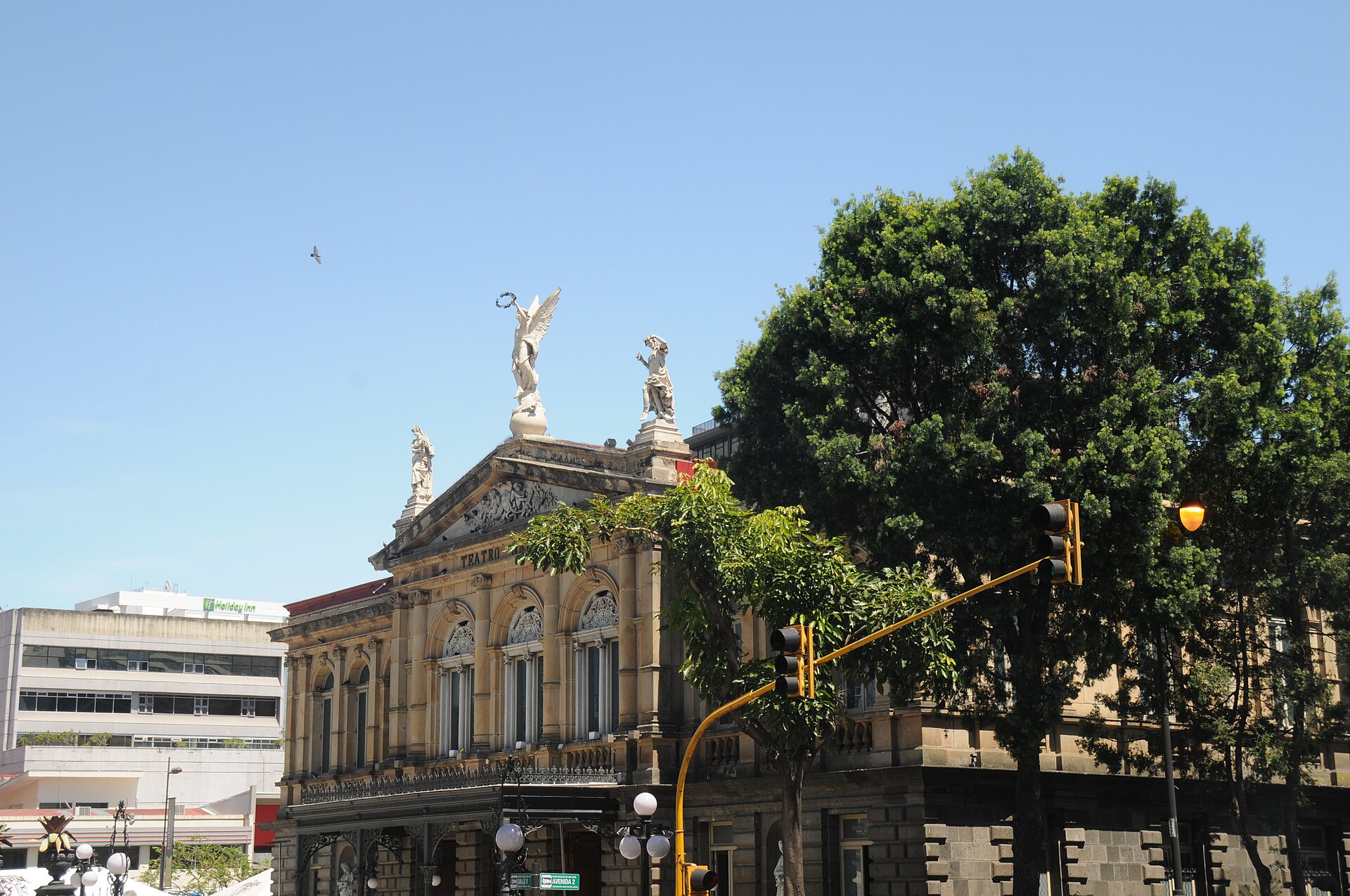
The centre is walkable and lively. The Plaza de la Cultura is the social nucleus: street performers, shoeshine vendors, and the underground entrance to the extraordinary Gold Museum, which houses the finest pre-Columbian gold collection in Central America. Nearby, the National Theater — funded by 19th-century coffee barons — is one of the most ornate buildings in Central America and offers daily tours. The National Museum, in a bullet-scarred former fortress, is worth a couple of hours.
Beyond the sights, San José is best experienced through its public spaces. The Mercado Central near Avenida Central is a dense, fragrant labyrinth of butchers, spice sellers, and cheap sodas (the local casual restaurants). The city's parks and plazas — particularly Parque Morazán and Parque España — fill with office workers at lunchtime and families in the evenings. Joséfinos are direct and opinionated; conversations about politics, football, and the state of the roads start easily.
The Barrio Amón neighbourhood, northeast of the centre, has the best concentration of Victorian and Art Nouveau architecture from the coffee-boom era, and a growing number of boutique hotels and restaurants occupy its old mansions. La California and Barrio Escalante, east of the centre, are where San José's restaurant and nightlife scene has evolved in recent years. On the western edge of the city, La Sabana Metropolitan Park offers the best green space in the capital, with the Museum of Costa Rican Art housed in the former airport terminal at its entrance.
Guide
Books
Costa Rica: A Traveler's Literary Companion edited by Barbara Ras is a useful anthology — short fiction and essays by Costa Rican writers covering the country's landscapes, people, and politics. A good introduction to how Costa Ricans see their own country.
The Ticos: Culture and Social Change in Costa Rica by Mavis Biesanz, Richard Biesanz, and Karen Biesanz is a sociological portrait of the country written with unusual warmth and specificity. It covers family life, politics, religion, and the national identity questions that Costa Rica wrestles with — the "tico" character, as it's called — in a way that illuminates everything you see on the street.
Vida y Obra de Magón — José Marín Cañas — Costa Rica's 20th-century literary tradition runs through figures like Joaquín Gutiérrez, Carmen Lyra, and Yolanda Oreamuno, but the easiest entry point for Spanish readers is through the satirist Manuel González Zeledón (pen name "Magón"), whose short stories about San José life in the early 20th century are sharp and still funny.
1492: The Conquest of Paradise by Kirkpatrick Sale is not specifically about Costa Rica but covers the broader encounter between Europe and the Americas that shaped the entire region. It is polemical but well researched, and it gives necessary context for understanding the colonial legacies visible throughout San José.
Guide
Shopping
The best place to buy Costa Rican crafts in the city centre is the informal market along the western side of Plaza de la Democracia, where vendors sell jade replicas, painted oxcarts, wood carvings, hammocks, and coffee. The quality varies and prices are negotiable.
For higher-quality handicrafts, the artisan town of Sarchí (northwest of San José, about 45 minutes by bus) produces the hand-painted wooden oxcarts that are Costa Rica's most distinctive souvenir. The carts come in sizes from coaster to full scale.
Costa Rican coffee is one of the genuinely worthwhile things to bring home. The specialty coffee shops in Barrio Escalante stock single-origin beans from different growing regions; the Mercado Central also has vendors selling whole-bean coffee by weight. Look for Tarrazú, Naranjo, or Tres Ríos origins.
The Multiplaza, Lincoln Plaza, and other modern shopping malls in the suburbs stock the international brands if you need them. Most are accessible by bus or a short taxi ride.
Guide
When to Go
San José sits at 1,100 metres in the Central Valley, which means a spring-like temperature year-round — typically 18–24°C, cooling to 14–16°C at night. There is no oppressive heat and no cold to worry about, which is one of the city's most pleasant qualities. The main variable is rain.
The dry season runs from December through April. These are the most comfortable months for city visits: clear mornings, afternoon clouds, minimal rain, and easier access to the beaches and volcanoes for day trips. January and February are peak tourist months; March and April are somewhat quieter and still dry.
The rainy season (May through November) brings afternoon showers, usually heavy and brief, from about 2pm onward. Mornings are typically clear and the city continues to function normally. July and August have a brief dry spell (the veranillo) that makes them acceptable if prices and crowds are a consideration. September and October are the wettest months.
December brings a festive atmosphere — Christmas decorations go up early and the city becomes unusually animated with Fiestas Navideñas in the weeks before Christmas.