Cuautla
©
Cuautla

Cuautla

Morelos city of thermal springs and revolutionary history, set southeast of Mexico City

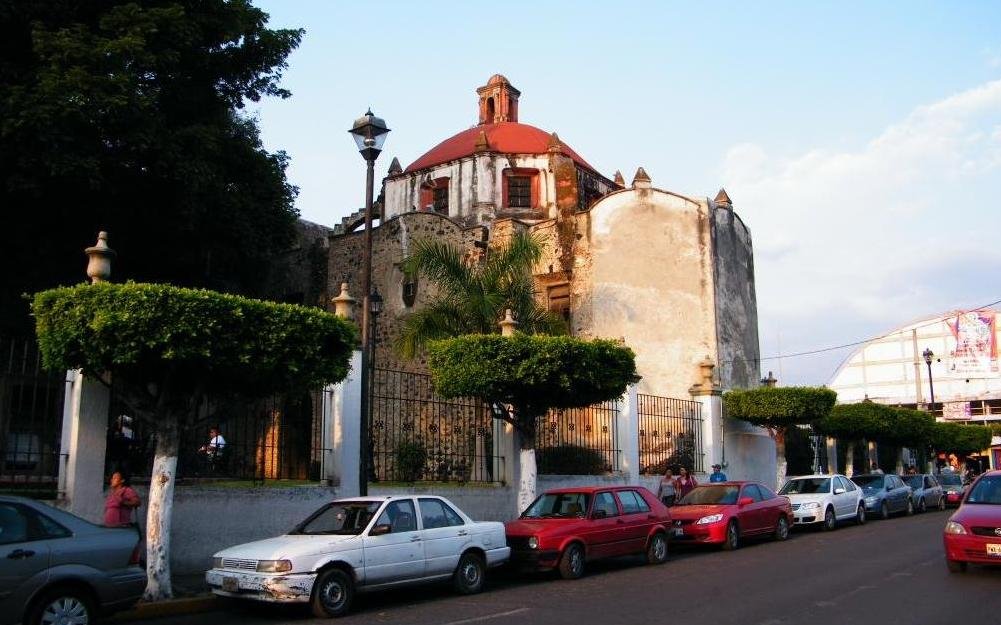
Cuautla is a city in the state of Morelos, about 75 km southeast of Mexico City. It's best known for its thermal springs — sulphurous balnearios that have drawn visitors for centuries and still fill up with city-dwellers on weekends.

The town has real revolutionary history: Emiliano Zapata is buried here and the city played a key role in the Mexican Revolution. There's a monument to Zapata in the main square and a museum at his birthplace in nearby Anenecuilco. Several villages in the surrounding area have well-preserved colonial churches and convents. Atotonilco el Grande makes a worthwhile day trip.

Guide

Getting There

By road, Cuautla is about 100km southeast of Mexico City via the autopista México-Cuautla (toll road). The journey takes 1.5 to 2 hours depending on traffic — less on weekdays, more on Friday evenings when half of Mexico City appears to be heading the same direction.

Buses run frequently from Mexico City's TAPO (Terminal de Autobuses del Oriente), operated by Cristóbal Colón, OCC, and smaller regional lines. The terminal is well connected to the Metro (San Lázaro station), making it straightforward to reach from central Mexico City without a car. From Cuernavaca, about 60km to the west via Yautepec, local buses run regularly throughout the day.

Guide

Things to Do

Cuautla's main draws are its balnearios — thermal spring bath complexes — and its revolutionary heritage. The springs have drawn visitors since before the Spanish arrived; on weekends the balnearios fill with families escaping Mexico City. During the week you can have a pool nearly to yourself.

The historic center has colonial architecture and monuments to Emiliano Zapata, who was born in the nearby village of Anenecuilco and whose story is bound up with this city more than any other. The 1812 Siege of Cuautla and the 1911 Battle of Cuautla gave the city its official honorific — "La Heroica e Histórica Cuautla" — and you feel that pride in the murals, the monuments, and the museum that documents both events.

Guide

When to Go

The dry season, roughly November through April, is the most comfortable time to visit. Morelos is warm year-round — Cuautla sits at around 1,300 meters, low enough to stay mild even in winter — but the rainy season (May through October) brings afternoon downpours that can make an afternoon at the balnearios less appealing.

Weekends and Mexican school holidays fill the balnearios to capacity. If you want the thermal springs without the families, come midweek — Tuesday or Wednesday mornings are noticeably quieter. For those interested in the history rather than the pools, the town marks its revolutionary calendar with real feeling: November 20 (Revolution Day) and the days around April 10 — the anniversary of Zapata's assassination in 1919 — see ceremonies at the monument and the museum that are worth timing a visit around if you have flexibility.