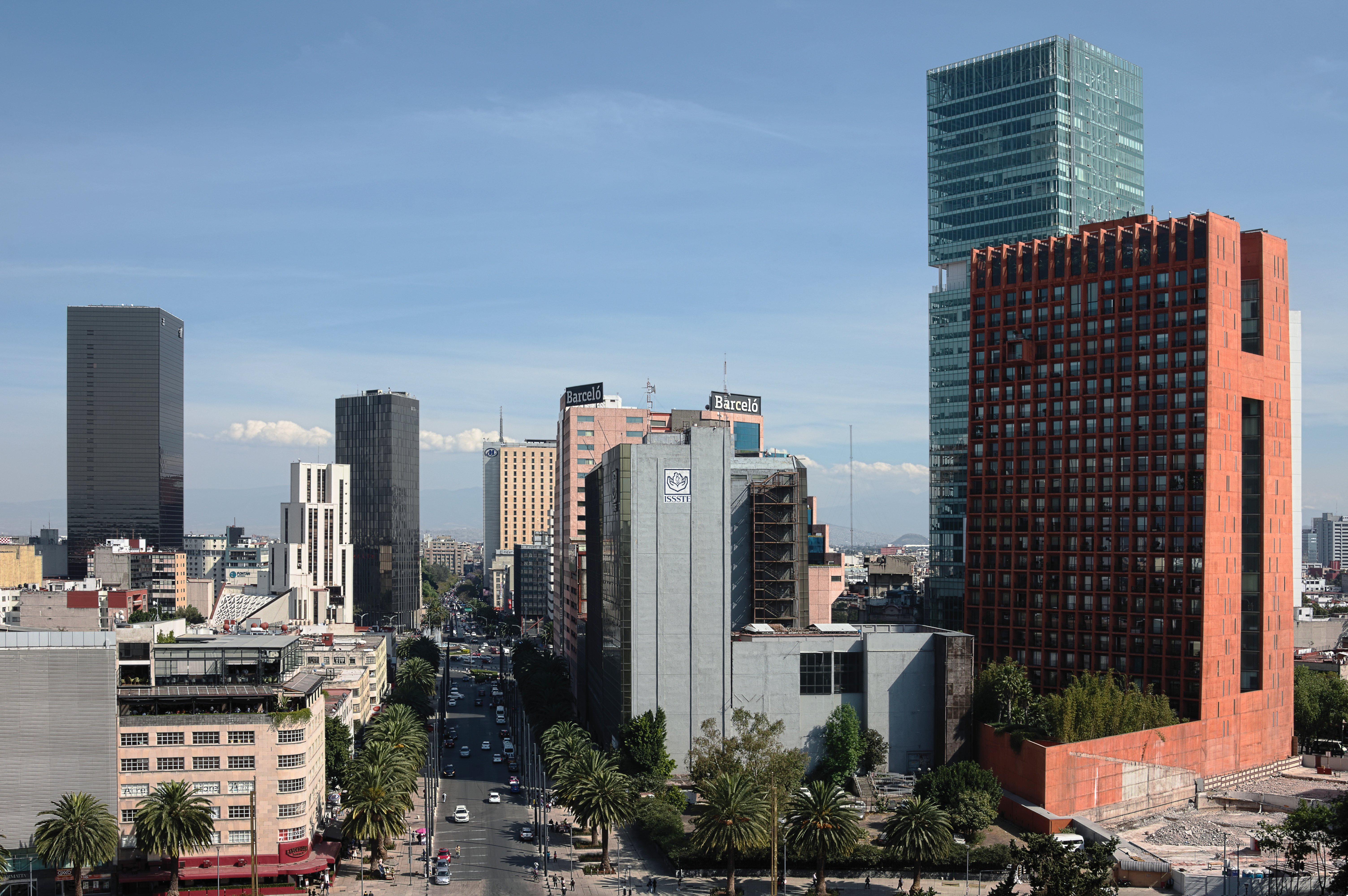
Mexico City sprawls across the floor of a high mountain valley at 2,240 metres, the political and cultural capital of Mexico and one of the largest urban areas on the planet. Roughly 22 million people live in the metropolitan area, on the same ground where the Aztec capital of Tenochtitlan once rose out of a lake. The Spanish razed the Aztec city in 1521 and built their colonial capital directly on top of it, and you can still see both layers from the central square.
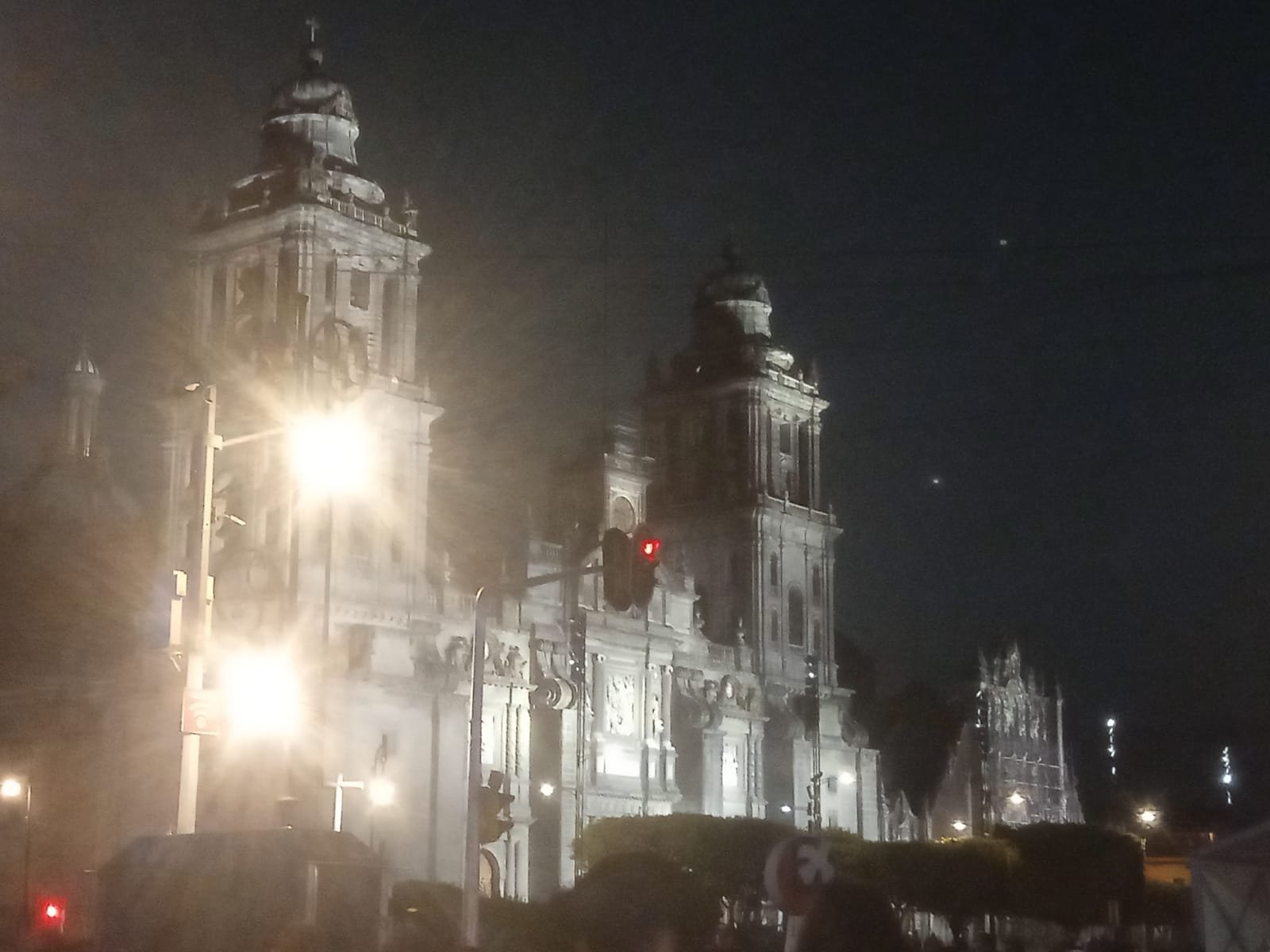
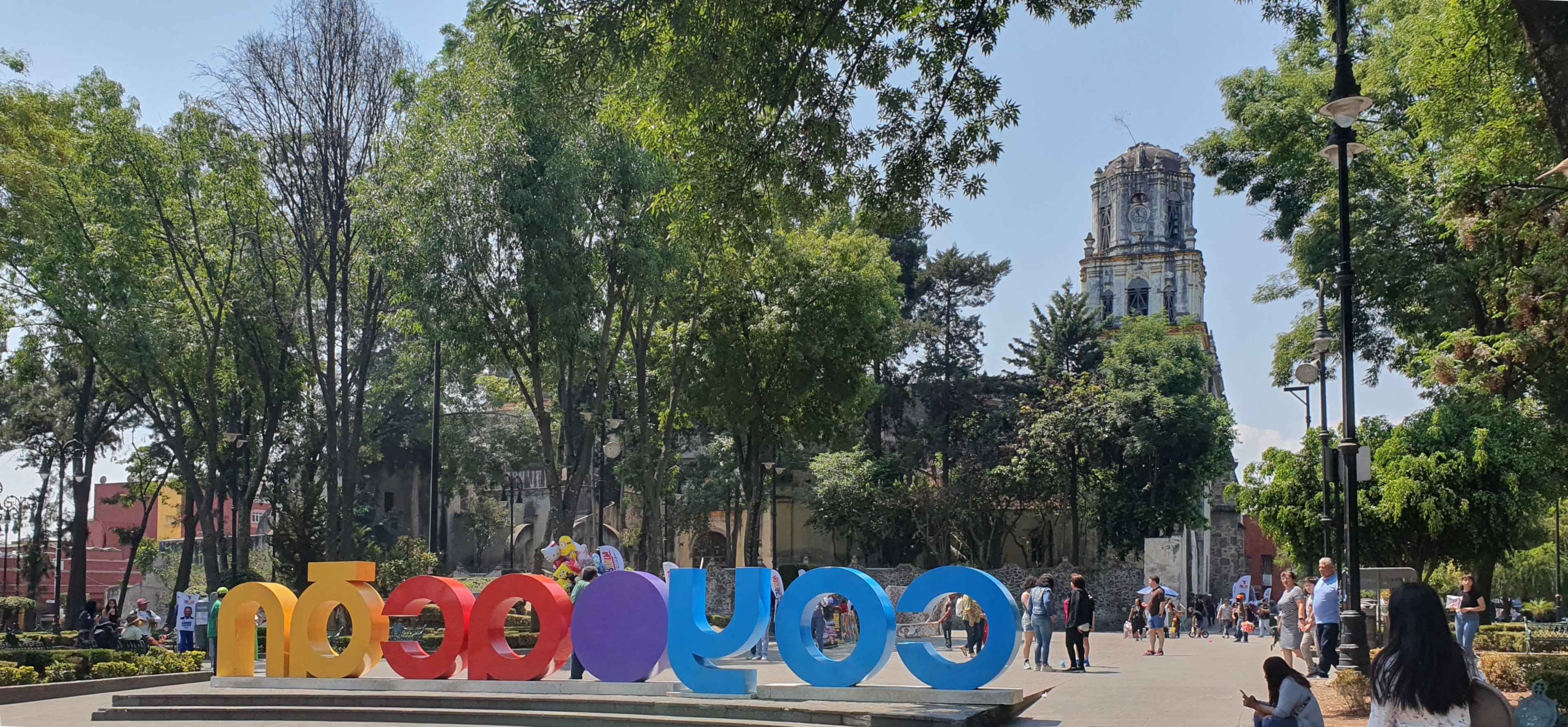
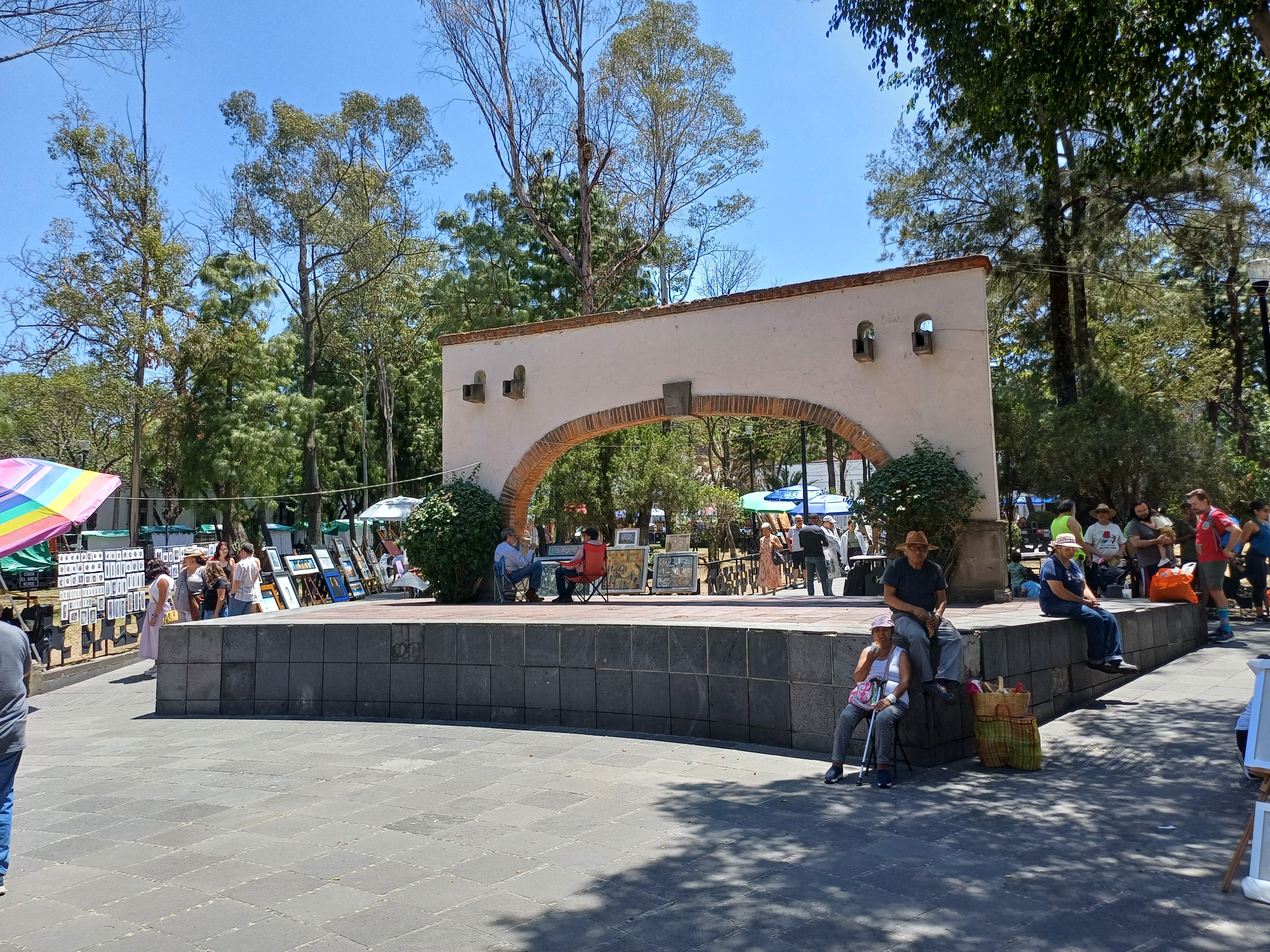
The heart of the city is the Zócalo, the vast paved plaza framed by the Metropolitan Cathedral, the National Palace with its Diego Rivera murals, and the excavated remains of the Templo Mayor, the Aztecs' principal pyramid. From here the Centro Histórico spreads out in a grid of colonial streets, government buildings, and old churches, much of it pedestrianised and easy to wander. A short metro ride south, Coyoacán and San Ángel feel like separate villages — cobbled lanes, weekend markets, and the Museo Frida Kahlo in the cobalt-blue house where Frida lived with Diego Rivera.
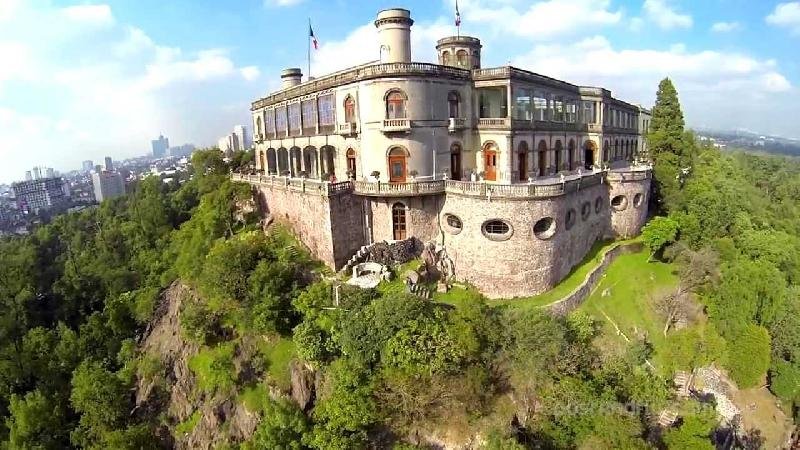
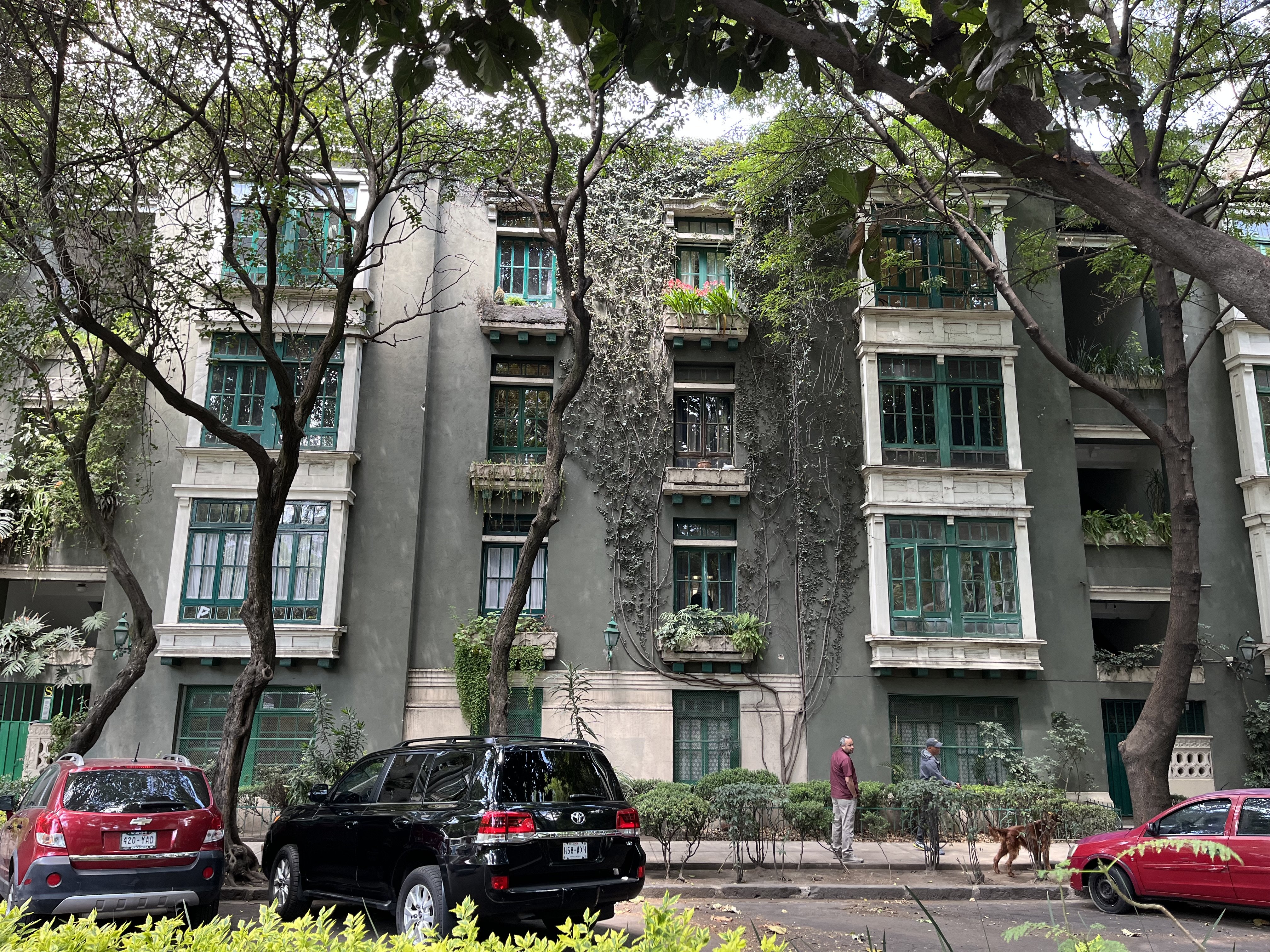
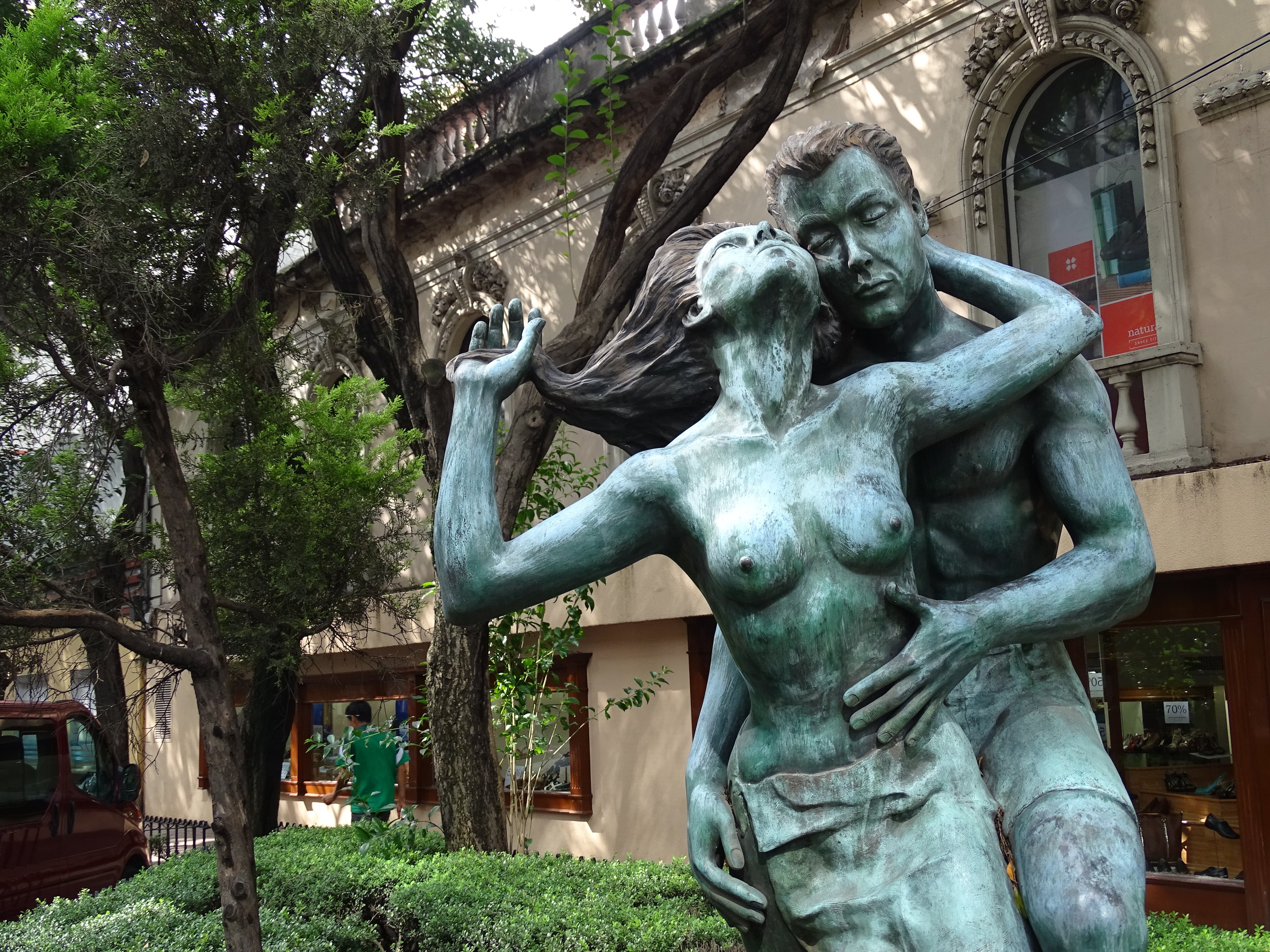
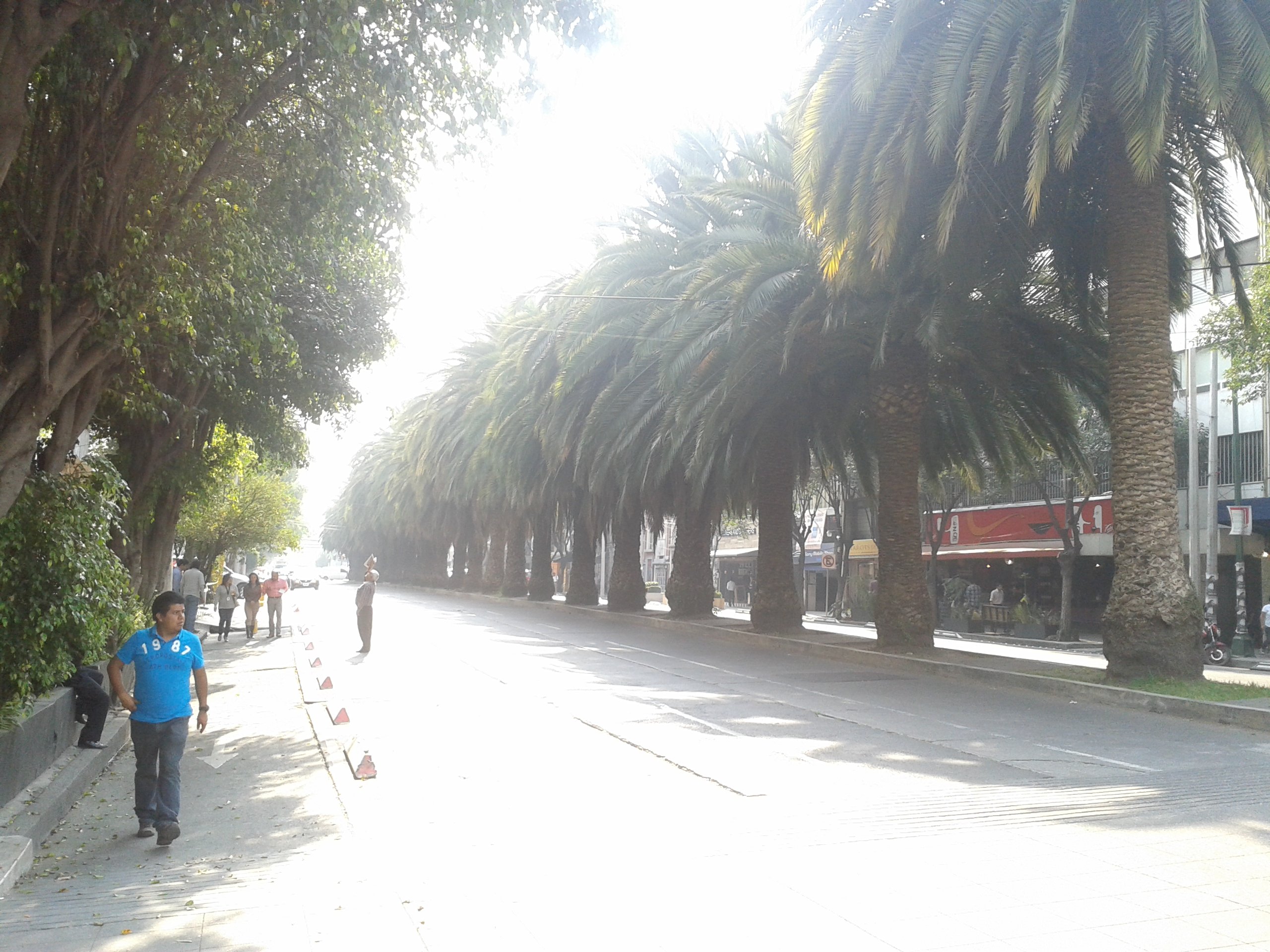
The city's other essential face is Roma and Condesa, two leafy adjacent neighbourhoods of art-deco apartment blocks, taquerías, mezcal bars, and some of the best food in Latin America. North-west, Polanco is the smart end of town — designer shops along Avenida Masaryk and the country's heaviest concentration of fine-dining kitchens. Between Reforma and Roma, Colonia Juárez and the Zona Rosa cluster the city's most international nightlife and Korean district. Mexico City's restaurant scene is now widely reckoned to be the most exciting on the continent, but it works at every price level: a great meal can mean a tasting menu at Pujol or three tacos al pastor from a sidewalk grill at midnight. Don't miss Chapultepec Park with its world-class Museo Nacional de Antropología, the canals of Xochimilco for a Sunday on a flower-painted boat, and the pyramids of Teotihuacan an hour out of town.
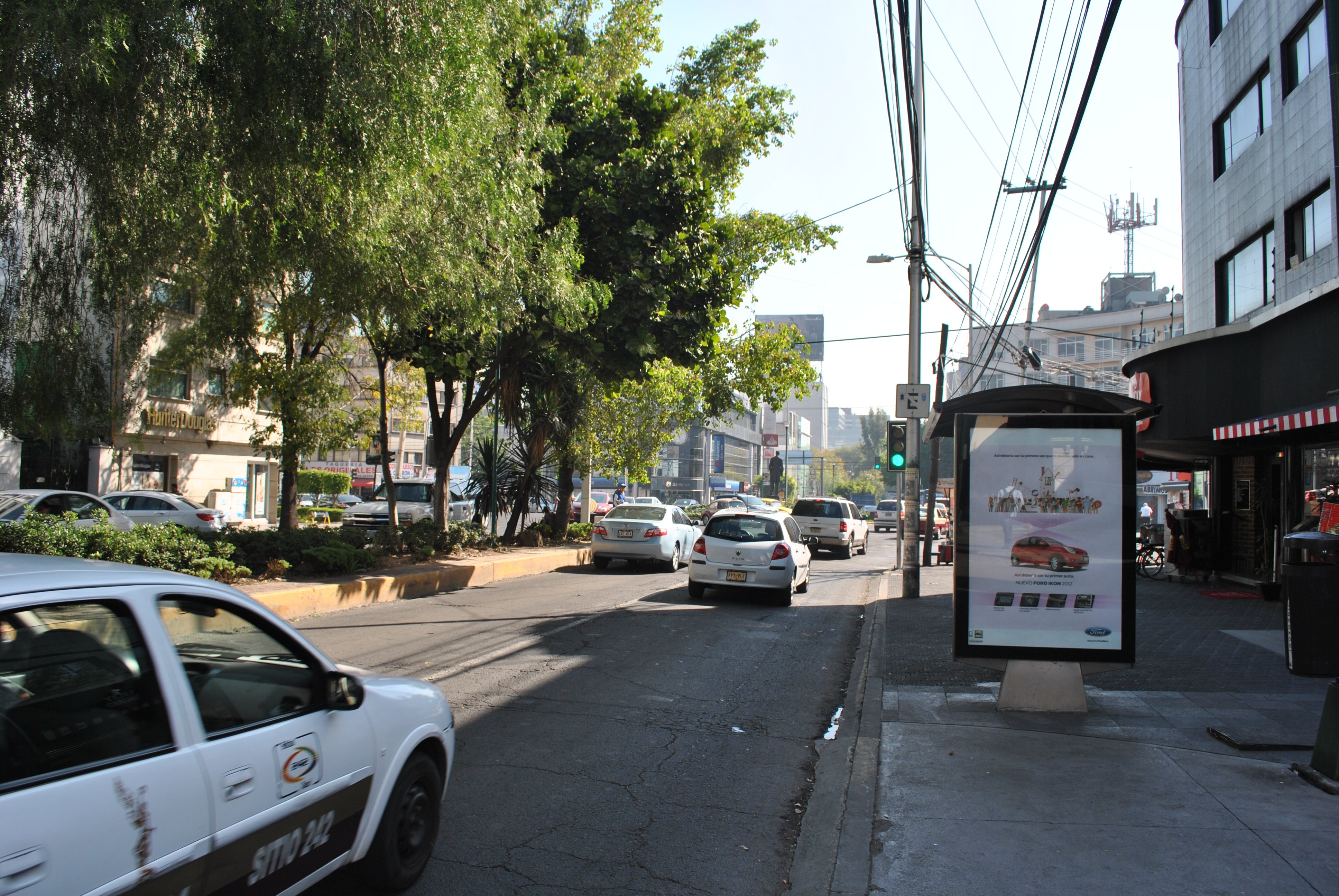
Mexico City has real downsides — the traffic is brutal, the air can be bad in winter, and you need to keep your wits about you at night — but it is one of the great cities of the world, and a few days here will change what you think Mexico is. Stay in Roma or Condesa if you can, eat everything, walk a lot, and take the metro: it's cheap, fast, and will save you hours.