Contadora
©
Contadora

Contadora

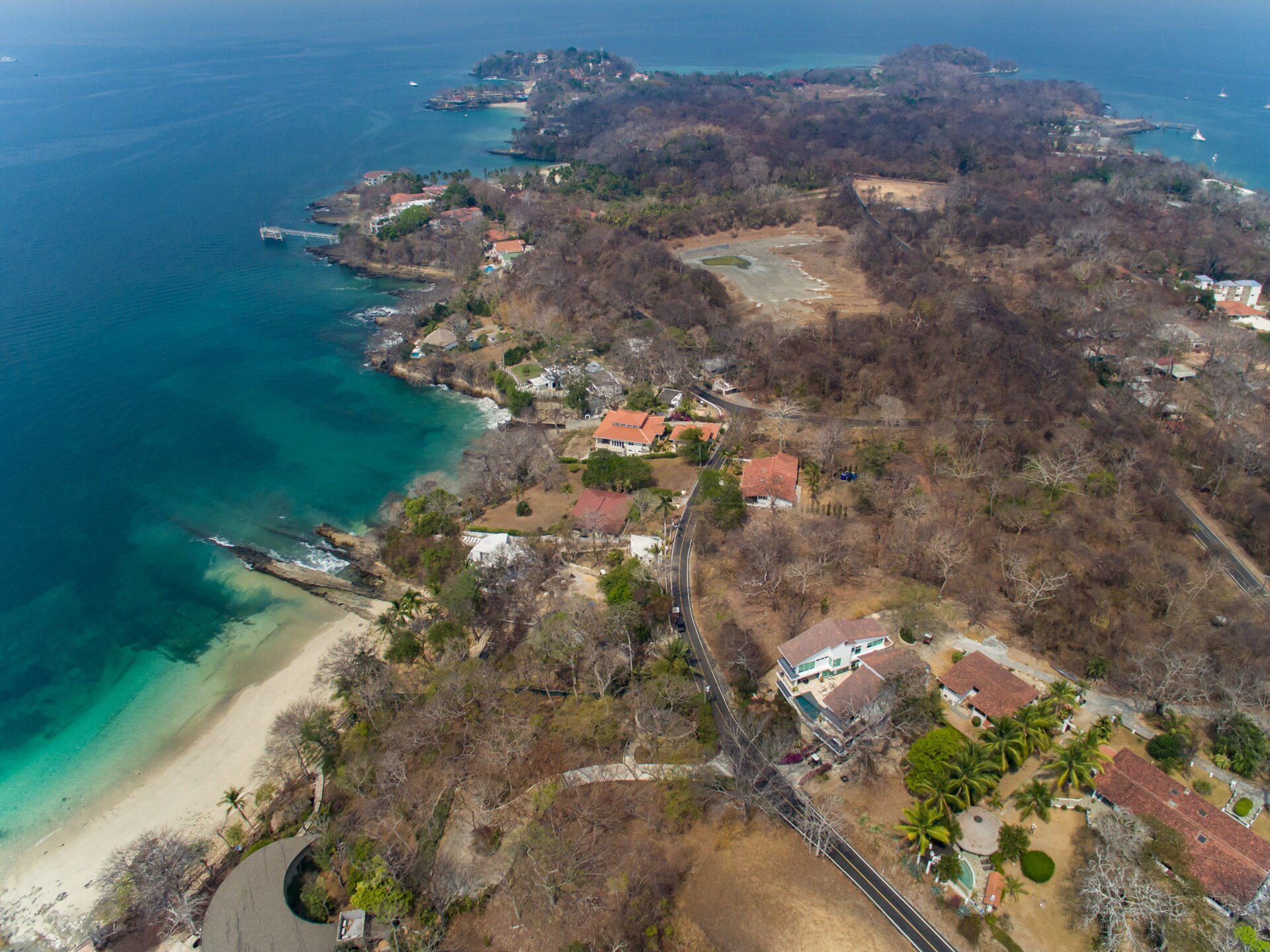
Contadora is the most developed island in Panama’s Perlas Archipelago, historically linked to pearl trade.

Contadora is the most developed island in the Perlas Archipelago, a scattered group of islands in the Gulf of Panama about 70 km from Panama City. Its name comes from the old pearl trade — this was where pearls from the archipelago were counted before export. Later the island became a retreat for the wealthy, and in 1979 it briefly served as refuge for the deposed Shah of Iran — an episode that triggered the Iran hostage crisis. In the early 1980s, diplomats from four Latin American nations met here to begin the peace process that would help end Central America's civil wars. Today it is a popular weekend escape from the capital and a growing draw for international visitors.

The island is small enough to walk across in twenty minutes. It has nine named beaches: Playa Cacique is the most accessible, Playa Larga the most beautiful, and Playa de las Suecas the quietest. The clear warm water makes for excellent snorkelling and diving around the rocky headlands, with parrotfish, angelfish, stingrays, and nurse sharks as regular company. Between July and October, humpback whales migrate through the surrounding channel on their way from Antarctic feeding grounds. Air Panama connects Contadora to Panama City in about 30 minutes with several flights daily, and a ferry service runs for those with more time.

Guide

Beaches

Contadora has nine named beaches, and you can walk between most of them in an hour. The island's position in the Gulf of Panama gives it calmer water on its eastern side — ideal for swimming and snorkelling — and more exposed, windswept strands on the west. Playa Larga is the island's longest and most scenic beach. Playa de las Suecas is clothing-optional and tends to be quieter. Playa Cacique fronts the main hotel area and is the most accessible from the airstrip.

Guide

Getting Around

The island is about 1.2 square kilometres, and you can walk from one end to the other in twenty minutes. For anything quicker, golf carts are the standard mode of transport — several places near the airstrip rent them by the hour or day. Bicycles, scooters, and ATVs are also available. The roads are unpaved dirt tracks, which suits the island's unhurried character. A handful of local taxis (also golf carts) wait near the airstrip for arrivals.

Guide

Getting There

Small planes fly from Albrook (Marcos A. Gelabert) Airport in Panama City to Contadora's small airstrip several times daily. The journey takes about 30 minutes and is operated by Air Panama and smaller charter services. This is the most practical option.

A passenger ferry also runs from the Causeway (Amador) in Panama City, though the journey takes several hours and service is less frequent. Check current schedules before planning around it.

Guide

Things to Do

Contadora's appeal is almost entirely outdoors. The island's nine beaches range from calm, family-friendly coves to wide surf-raked strands, and the warm, clear water is ideal for snorkelling and diving. Humpback whales pass through the surrounding channels between July and October, making it one of the more accessible whale-watching spots from Panama City. History runs quietly through everything — the island was once the administrative hub of one of the most lucrative trades in the colonial Americas.

Guide

When to Go

The dry season runs from mid-December through April, when days are sunny, winds are light, and visibility underwater is at its clearest. This is the high season for beach visitors and weekenders from Panama City, and the island fills up on Saturday and Sunday. Arrive Friday if you want a quieter experience.

The rainy season (May–November) brings afternoon showers and greener vegetation, but the mornings are often clear and the island is noticeably quieter. The sea can be rougher. The trade-off is worth it if you are coming specifically for whale watching: humpback whales migrate through the Pearl Islands channel between July and October, and sightings are common from the island's rocky headlands and on boat tours.

Avoid major Panamanian public holidays if you are sensitive to crowds — the island is a favourite long-weekend escape for Panama City residents and flights book out fast.