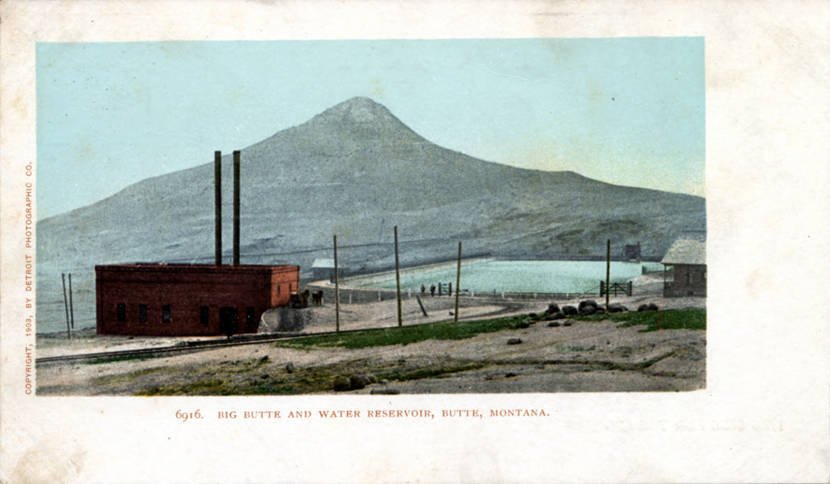
Butte was once the largest city west of the Mississippi and earned the nickname "the richest hill on earth" — the copper, silver, and gold extracted from its mines powered the growth of industrial America and made fortunes for the Anaconda Company and the copper kings who ran it. At its peak in the early 1900s, the city was home to over 100,000 people from dozens of nationalities, drawn by the mines.
The mining boom left Butte with an extraordinary built heritage. Uptown Butte is a National Historic Landmark District, packed with Victorian and Edwardian buildings that reflect the city's former wealth — ornate facades, grand hotels, and miners' cottages climbing the hillside. The World Museum of Mining sits on the site of the old Orphan Girl mine, and the Berkeley Pit, a vast open-pit copper mine now filled with toxic water, is a strange and sobering attraction in its own right. The Copper King Mansion gives the clearest sense of how the city's mining barons actually lived.
Butte is rougher around the edges than Montana's resort towns, but that is part of its appeal. The Irish heritage runs deep (the St Patrick's Day celebration is legendary), the bars on Main Street have real character, and the locals are proud of a city that refuses to be sanitised. It is unlike anywhere else in the state.