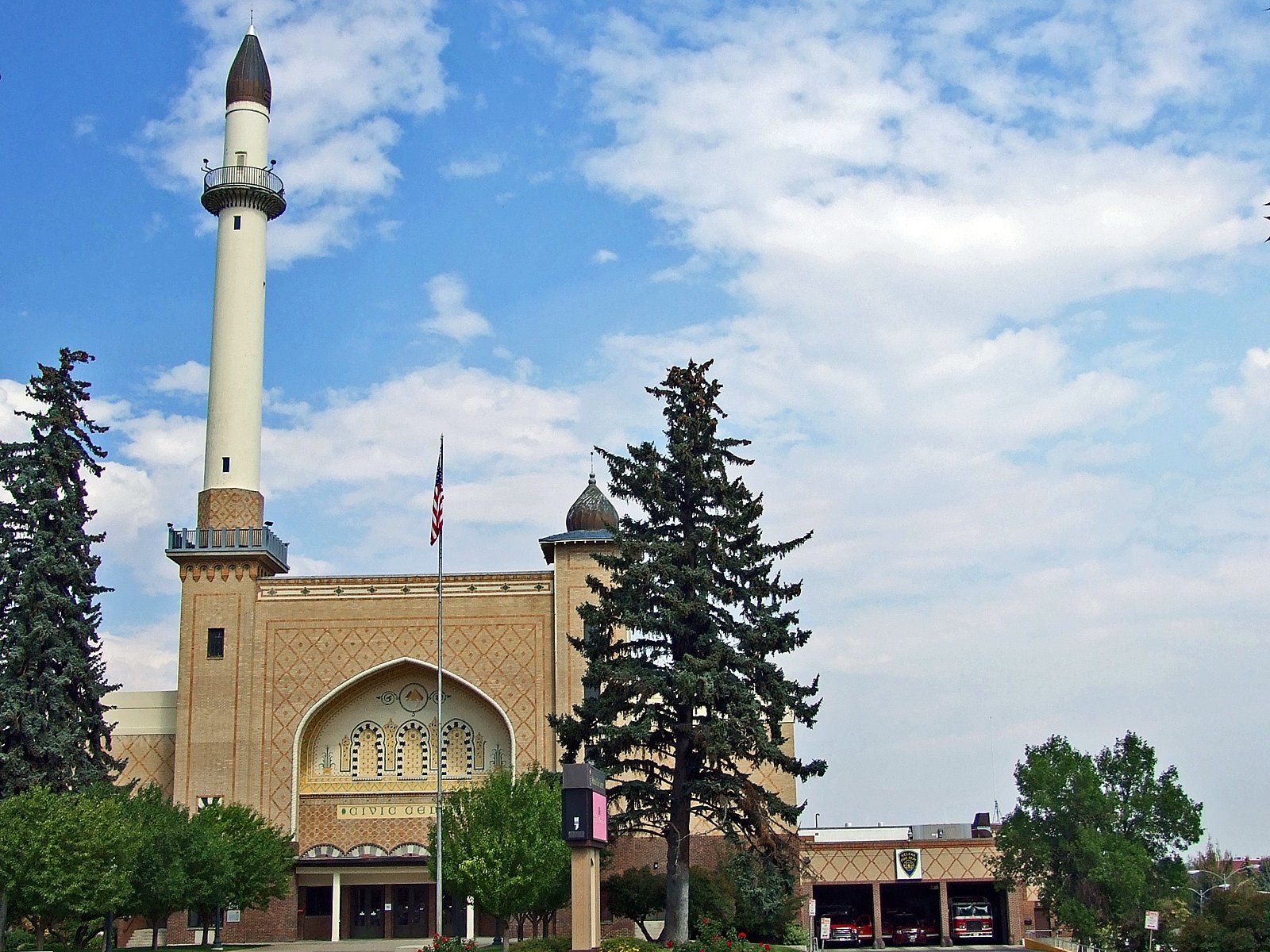
Helena is Montana's state capital — and an easy place to underestimate. It sits in a fold of the Rocky Mountain foothills at about 1,250 meters, surrounded by pines and granite. Most travelers pass through on the way to Glacier or Yellowstone, which puts Helena roughly equidistant between the two parks. That's worth pausing on: Helena is an excellent base for a two-park road trip, and it has more going for it than its small size suggests.
The city was born in 1864 when four broke prospectors made a gold strike in a gulch they sardonically named Last Chance. Within a decade, Helena had produced more millionaires per capita than any other city in the United States, and they spent lavishly: the downtown core still shows it, with ornate Victorian commercial buildings lining Last Chance Gulch, the main pedestrian street that literally follows the original mining ditch. The Montana State Capitol, completed in 1902 and expanded in 1912, is one of the better-looking capitol buildings in the West — copper dome, murals, and a collection of Charles M. Russell paintings inside.
What sets Helena apart from other Montana cities is Mount Helena, a 1,000-hectare city park that rises right behind the downtown grid. You can be on rocky summit trails within walking distance of the coffee shops on Last Chance Gulch. The park has over 24 kilometers of trails ranging from a gentle ridge walk to a scramble up the limestone cliffs of the 1906 Trail. On a clear day the view takes in the Elkhorn Mountains and the Missouri River valley.
Helena lacks the university buzz of Missoula and the ski-resort gloss of Bozeman, but it has a grounded, working-city feel that many travelers find refreshing. The food scene is modest but solid. The people are direct. And if you want genuine Montana without the crowds, Helena in shoulder season — May, or September — is close to ideal.