Located on Highway 62 in Okfuskee County in central Oklahoma, Boley is a town of about 1,100 people and one of the most significant towns in Black American history. Established on September 22, 1904, Boley is one of the few surviving towns originally founded as an all-Black community.
By 1911 Boley had a population of 4,000 and was thriving. It was home to the first Black-owned electric company and the first Black-owned bank in the United States. Booker T. Washington called it "the most enterprising, and in many ways the most interesting of the Negro towns in the U.S."
The Boley Historic District, a National Historic Landmark, preserves the original commercial streets from the town's peak years. The Farmers and Merchants Bank building still stands — site of the famous 1932 robbery attempt by Pretty Boy Floyd's gang, which the townspeople repelled. The Masonic Lodge, three stories of brick, was the tallest building between Okmulgee and Oklahoma City when it was built in 1912.
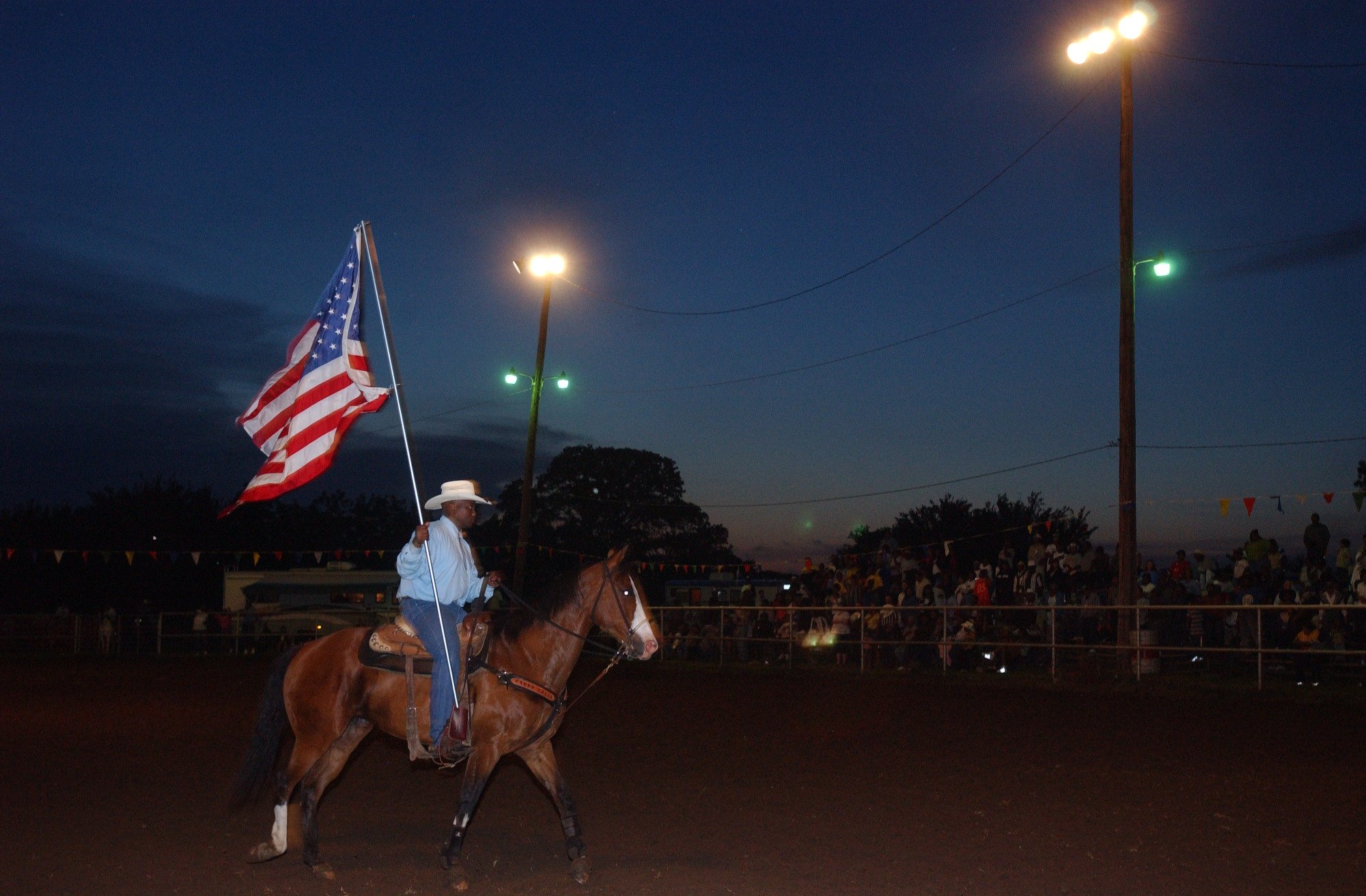
The Annual Boley Rodeo and Bar-B-Que Festival, held over Memorial Day weekend, is one of the oldest Black rodeos in the United States and the best time to visit.
Hannibal B. Johnson's book No Place Like Home: A Story about an All Black, All American Town tells the fictional story of a boy growing up in Boley in 1920, when the town was at its peak.