Located northeast of Oklahoma City on Route 66, Tulsa is the second city of the state and a good starting point for exploring Green Country, the lush northeastern corner of Oklahoma.
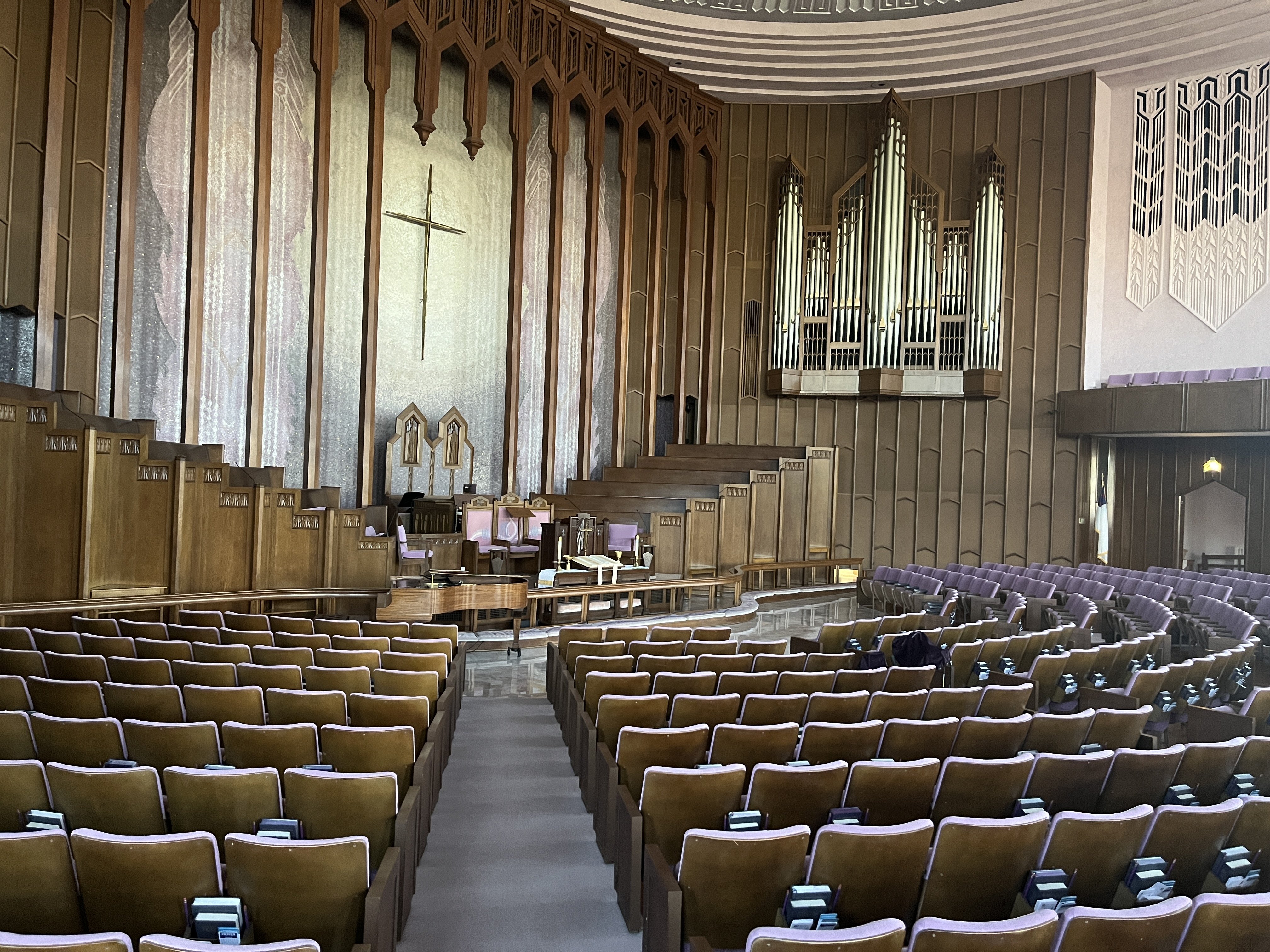
The city was founded in 1836 under a sturdy oak tree -- the tree still stands at 18th and Cheyenne. Everything changed in 1901 when oil was discovered nearby. Tulsa grew rapidly and many of its finest buildings date from the early 20th century, giving it one of the best collections of Art Deco architecture in the United States.
The oil boom inspired the nouveau riche to collect art, and the city now houses several nationally renowned museums. The Philbrook Museum of Art, set in a 1920s Italianate villa with formal gardens, is the standout. The Gilcrease Museum holds one of the world's largest collections of Western American art. The Oklahoma Jazz Hall of Fame occupies the restored Union Depot downtown.
The Greenwood District north of downtown preserves the memory of Black Wall Street, destroyed in the 1921 Race Massacre — one of the worst episodes of racial violence in American history. The Gathering Place, a 100-acre riverfront park funded by private philanthropy, has become the city's favourite outdoor space since opening in 2018.
Cherry Street and Utica Square are the liveliest parts of town, with independent shops, boutiques, bars, and restaurants. The food scene draws on Midwestern, Southern, and Southwestern traditions -- Oklahoma-style barbecue, chicken-fried steak, and Tex-Mex sit alongside Indian and Thai restaurants. Jamil's Steakhouse, open since 1945, is the last of the Lebanese-owned supper clubs that once defined Tulsa's dining scene.
For a weekend escape, the Wichita Mountains Wildlife Refuge in southwestern Oklahoma near Lawton is one of the state's great natural destinations — hiking, rock climbing, and free-roaming bison across 59,000 acres.