Oklahoma surprises people. Many associate it with the 1995 bombing or the dust-bowl despair of Steinbeck's The Grapes of Wrath, but the reality is a state with wide-open landscapes, deep Native American heritage, and two genuinely interesting cities.
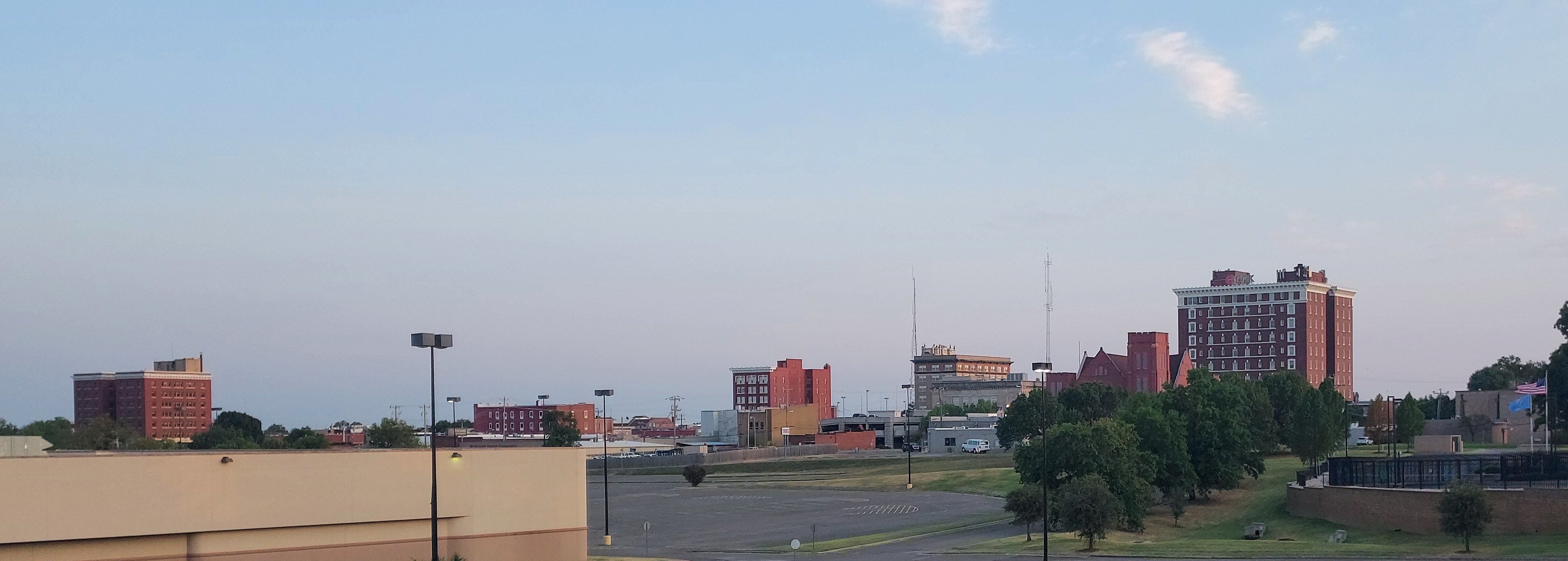
Oklahoma City, the capital, has reinvented itself with a lively Bricktown entertainment district, a moving National Memorial, and diverse cultural neighborhoods. Tulsa, the second city, is an art-deco gem built on oil money, with nationally renowned museums and a food scene that draws on Midwestern, Southern, and Southwestern traditions.
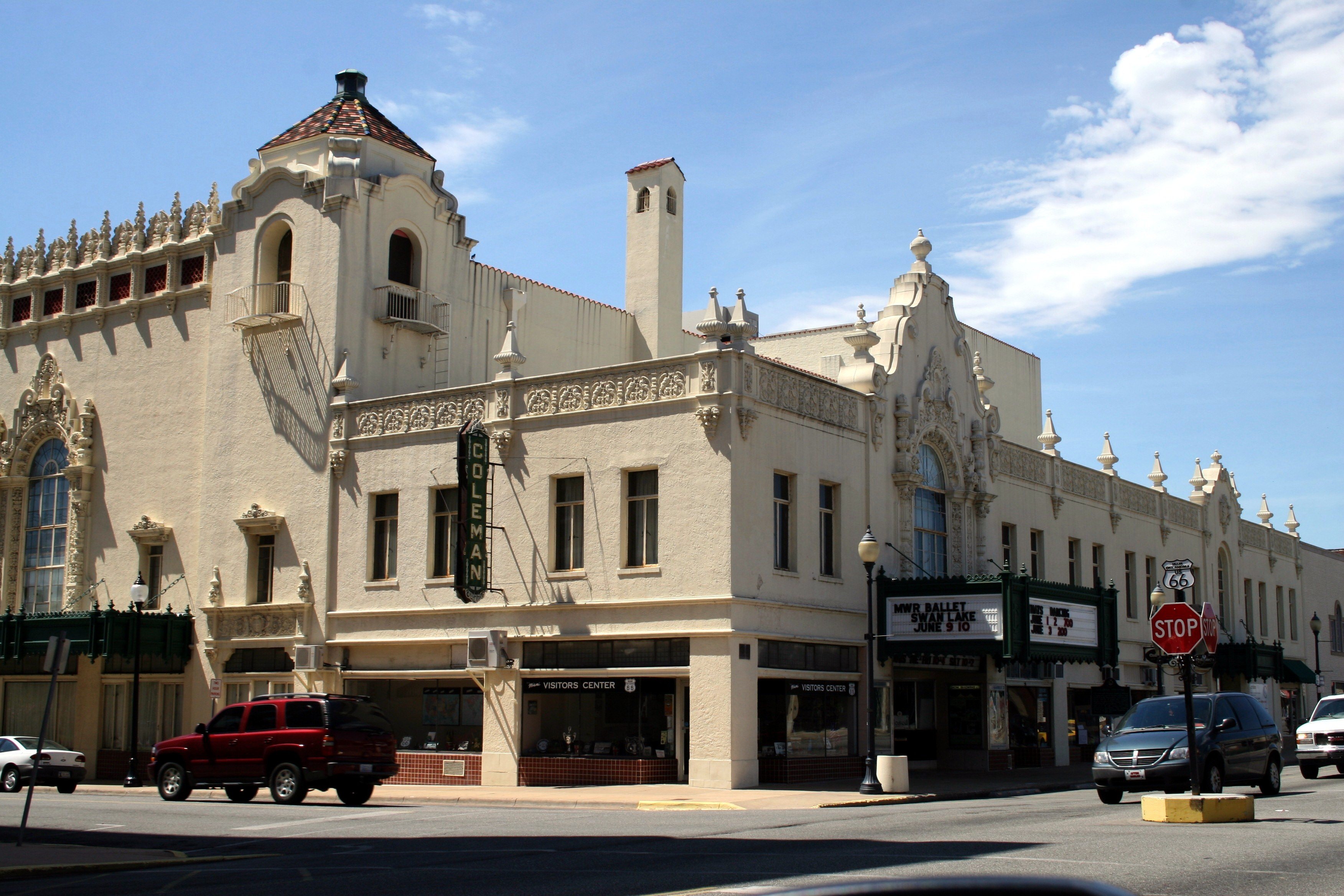
Beyond the cities, Oklahoma is outdoor country. Over 50 state parks, the Wichita Mountains Wildlife Refuge near Lawton, and the Chickasaw National Recreation Area near Ardmore offer hiking, camping, rock climbing, and fishing. The state has 48 towns along Historic Route 66, making it one of the best stretches for a road trip on the Mother Road.
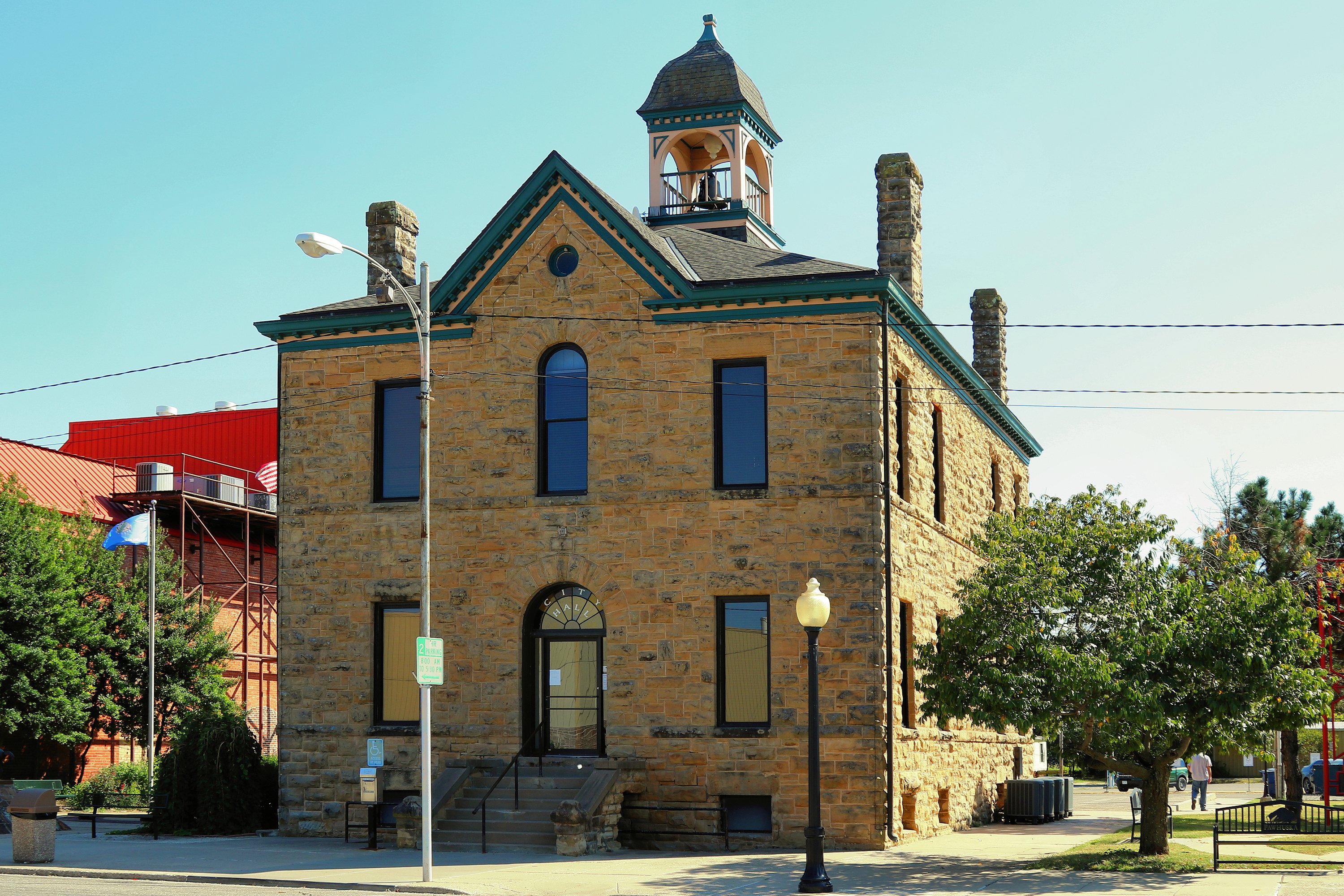
Oklahoma's Native American history runs deep. The state is home to 39 tribal nations, and places like Tahlequah (capital of the Cherokee Nation), Pawhuska (Osage Nation), and Muskogee (Five Civilized Tribes Museum) offer real insight into Indigenous culture past and present. Boley, one of the few surviving all-Black towns from the early 1900s, is a significant stop for anyone interested in American history.
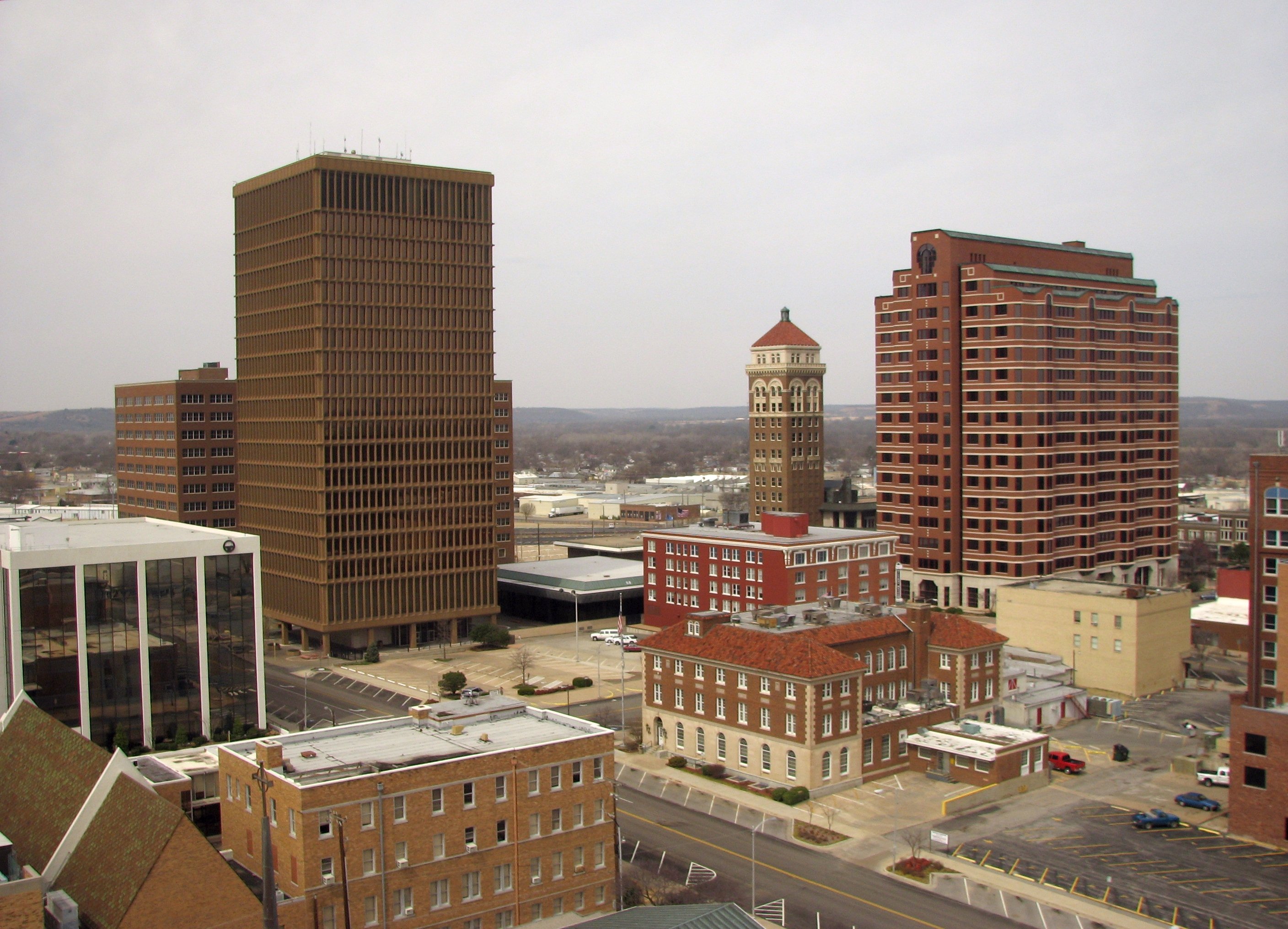
Route 66 towns like Claremore (Will Rogers Memorial), Sapulpa (glass and pottery heritage), Chandler, and El Reno give you the classic small-town Oklahoma experience. Bartlesville has Frank Lloyd Wright's only skyscraper, the Price Tower, and the Woolaroc Ranch with its western art collection and roaming buffalo.