Bullfrog Marina
©
Bullfrog Marina

Bullfrog Marina

Southern Utah marina on Lake Powell, serving red-rock canyon boating and the Halls Crossing Ferry

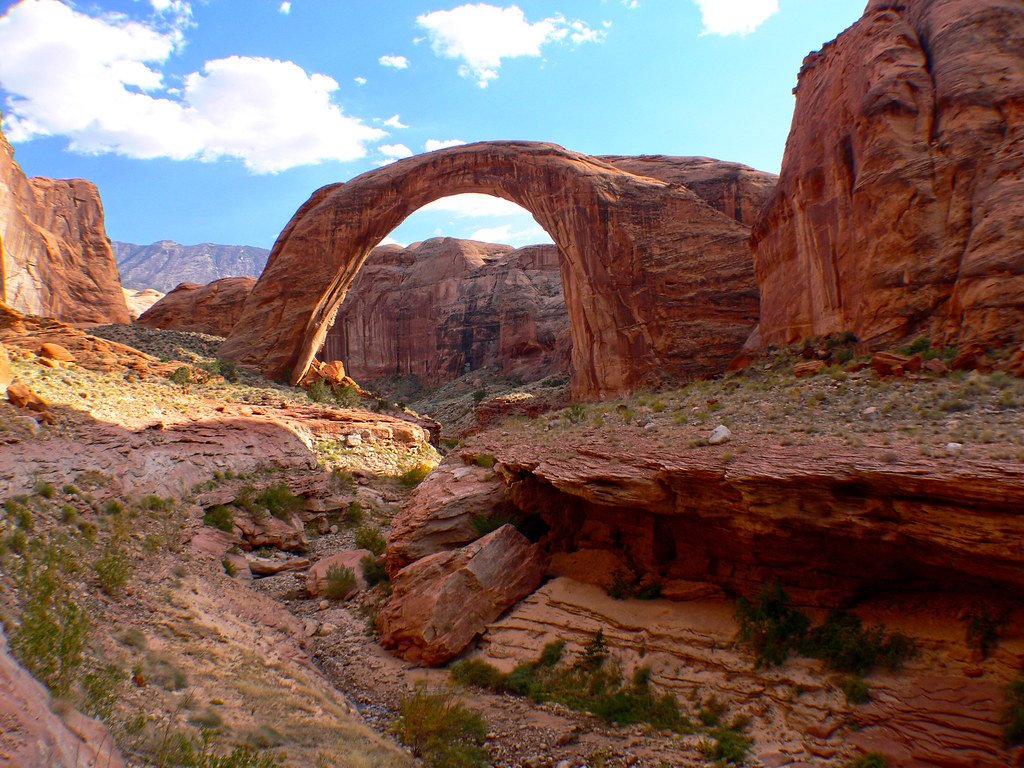
Bullfrog Marina is one of the main access points to Lake Powell in southern Utah, part of the Glen Canyon National Recreation Area — nearly 2 million acres of red rock canyon and reservoir country on the Utah–Arizona border. It's the busiest of the Utah marinas, particularly popular with powerboaters in summer.

The principal activity here is boating on the lake, with houseboats, speedboats, and kayaks available for rent. The Halls Crossing Ferry connects Bullfrog to the opposite bank, cutting a very long road detour to a five-minute crossing. Beyond the lake itself, Bullfrog makes a good base for exploring some of the most remote and dramatic terrain in the American Southwest: the Henry Mountains to the north, the Waterpocket Fold, and Capitol Reef National Park. The remote location means fuel, food, and accommodation are limited — plan accordingly.

Guide

Getting There

Bullfrog Marina is genuinely remote. The nearest town with fuel and services is Hanksville, Utah, approximately 85 kilometres to the north via Utah Highway 276. From the south, the route comes via Page, Arizona (about 120 kilometres), crossing the Colorado River at Navajo Bridge. There is no public transport to Bullfrog — a private vehicle is essential.

The road from Hanksville through the Capitol Reef country and down to Bullfrog is one of the most spectacular drives in the American Southwest, passing through the geological wonderland of the Waterpocket Fold. Allow at least two to three hours from Hanksville; the road is paved but winding. Fill your fuel tank before leaving Hanksville — fuel is available at the marina but at premium prices, and supply is not always guaranteed.

Guide

When to Go

Spring (March–May) and autumn (September–November) are the best times to visit. Temperatures are mild, the lake water is at a comfortable swimming temperature by May, and summer crowds have not yet arrived or have thinned out. Autumn in particular is excellent — warm sunny days, cool nights, and the lake at its clearest.

Summer (June–August) is intense. Temperatures regularly exceed 40°C (104°F), heat radiated off the canyon walls and lake surface makes it hotter still, and the marina is busiest. If you visit in summer, plan water activities for morning and stay off exposed rock in the afternoon. Hydration is serious business — heat illness is a genuine risk.

Winter closes most services at the marina and can bring cold temperatures and occasional snow at the rim level. The lake itself rarely freezes, but the limited facilities make winter visits impractical for most travellers.