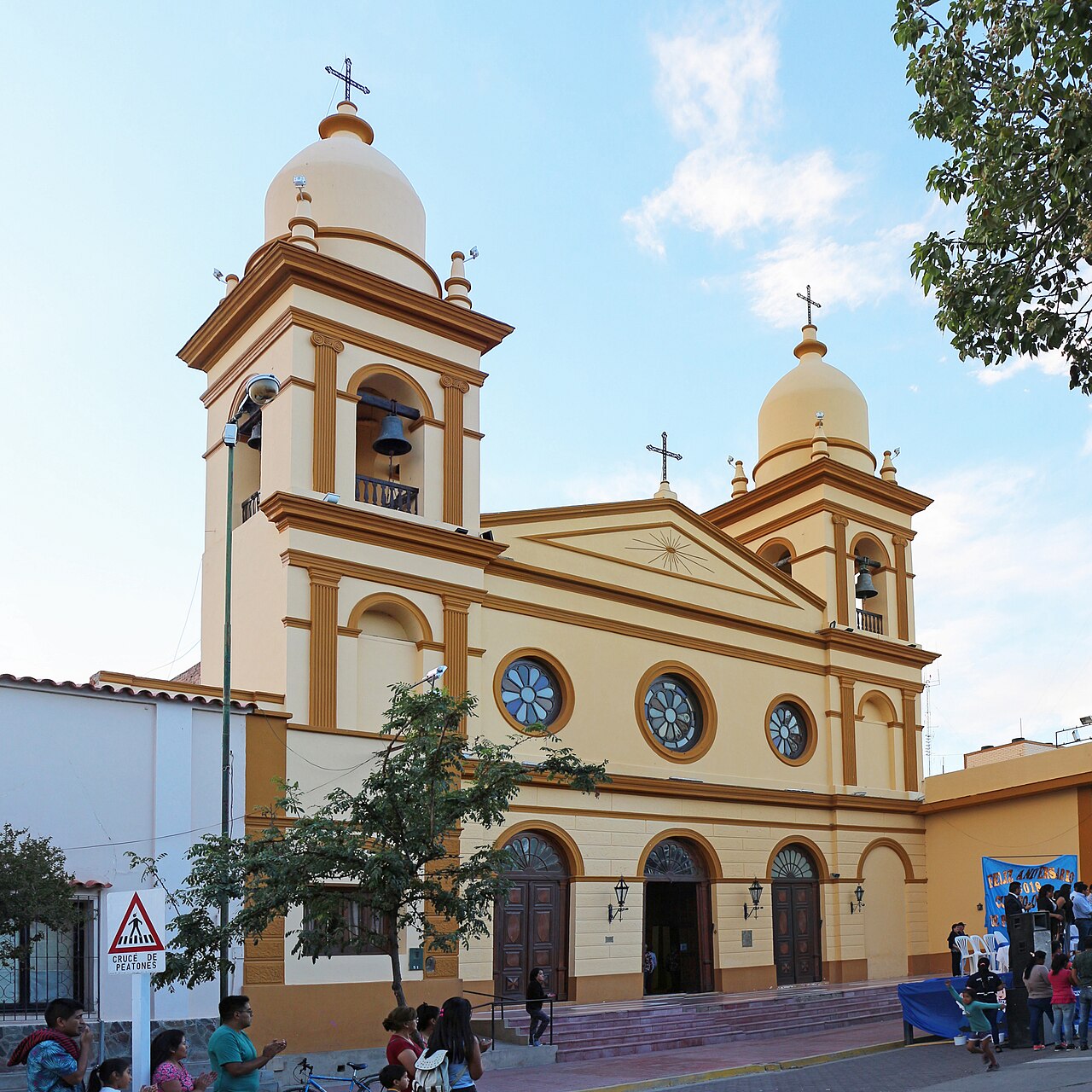
Cafayate
©
Cafayate

Cafayate

High-altitude wine town in the Calchaquí Valley, where Torrontés vineyards sit under desert sun.

Cafayate is a small, sun-baked town in the Calchaquí Valley of northwestern Argentina, surrounded by vineyards that produce some of the country's best white wines. At 1,660 metres elevation and with more than 300 days of sunshine a year, this is one of the highest wine regions in the world, and the Torrontés grape — floral, dry, and distinctly Argentine — reaches its peak here.

The town itself is quiet and walkable, centred on a leafy plaza dominated by the Cathedral of Our Lady of the Rosary. The Museo de la Vid y el Vino tells the valley's wine story well. The main square has good empanada shops and ice cream parlours serving wine-flavoured helado — the Torrontés flavour is worth trying, and the Malbec version is even more surprising.

The drive to Cafayate from Salta through the Quebrada de Cafayate is one of the most spectacular road trips in Argentina. The Ruta 68 winds through a canyon of red sandstone formations — the Garganta del Diablo, the Anfiteatro, the Castillos — carved by wind and water into improbable shapes. Most visitors make the drive a loop, going south through the Quebrada and returning via Cachi and the upper Calchaquí Valley.

Guide

Eating Out

Cafayate eats well for a town of its size. The emphasis is on straightforward Argentine food — empanadas, grilled meats, locro (a hearty Andean stew) — accompanied by the local wine. The restaurants around the plaza are the obvious choices for dinner; most are reliably good and affordable.

El Rancho: A long-established restaurant near the plaza serving hearty Andean cooking — goat stew, locro, humita — alongside grilled meats. The wine list is local and well-priced. Outdoor tables when the evenings are warm.

Chato's Wine Bar: A relaxed bar and restaurant combining local Torrontés and Malbec with tapas and snacks. Good for an afternoon tasting session that extends into dinner.

Empanadas: Every corner shop and lunch counter in Cafayate sells empanadas. The Salta-style empanadas here — fried, filled with seasoned beef, onion, and hard-boiled egg — are excellent and cost almost nothing. The market on the edge of town is the best place for them in the morning.

Guide

Getting There

Cafayate is 186 kilometres south of Salta via Ruta 68 — the spectacular route through the Quebrada de Cafayate that most visitors use. The road is fully paved and takes about 3.5 hours by car, or 3 to 4 hours by bus with stops. Buses run several times daily from Salta's bus terminal, operated by El Indio, Flecha Bus, and other companies; check current schedules at the terminal.

There is no airport in Cafayate. Most visitors arrive from Salta, which has good flight connections to Buenos Aires and other Argentine cities. Alternatively, Cafayate can be approached from the south via Tucumán, which adds to the distance but allows a loop through the Calchaquí Valley.

Getting around Cafayate itself requires no transport — the town is small and walkable. For the bodegas further out on the valley roads, a rental bike or a hired car is useful. Remises (hired cars with driver) are available in town for day trips to the quebrada and further vineyards.

Guide

When to Go

Cafayate has over 300 days of sunshine per year, and the climate is warm and dry year-round. The best times to visit are March to May (harvest season) and September to November (spring). March and April are harvest months — bodegas are at their most active, grapes are being picked, and the Vendimia (harvest festival) fills the town in late February or March. It is the best time to understand the wine culture from the inside.

June to August is winter — cool nights (dropping to 5–8°C) and warm days, and very few tourists. Cafayate is entirely pleasant in winter, and accommodation is cheap and available. The quebrada is arguably most dramatic in winter light.

January and February are the hottest months, with temperatures reaching 35°C. The roads are good year-round since rain is rare.