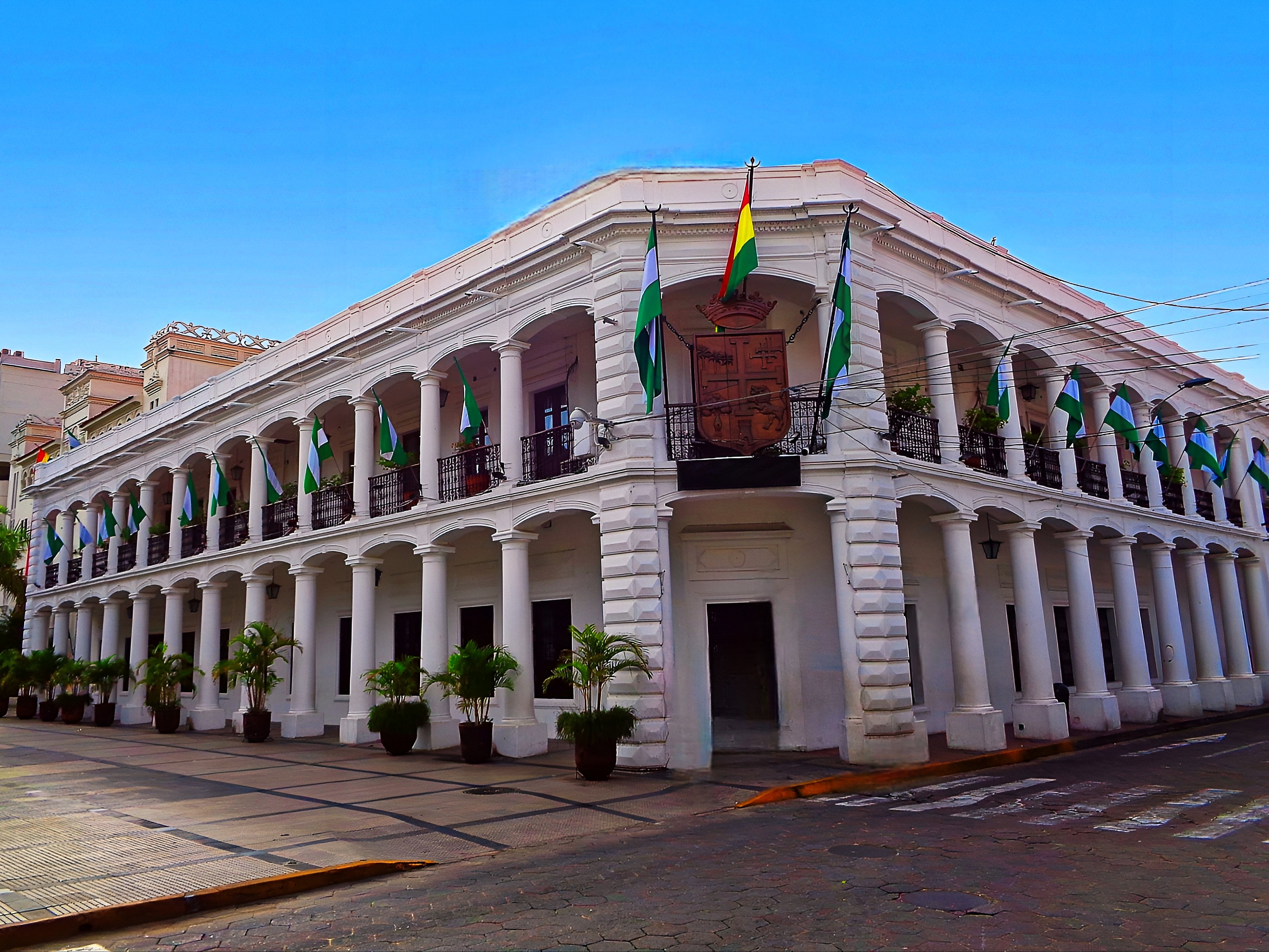
Santa Cruz de la Sierra is Bolivia's largest city and its economic engine, a tropical metropolis that feels worlds apart from the highland capitals of La Paz and Sucre. Where those cities are cold and Andean, Santa Cruz is flat, hot, and green — a lowland city surrounded by cattle ranches, soybean fields, and the edge of the Amazon basin.
The city is laid out in concentric ring roads called anillos, radiating outward from the central Plaza 24 de Septiembre. The historic core within the first anillo is walkable and lively, with colonial-era buildings, markets, and cafes clustered around the plaza. Beyond the rings, the city sprawls rapidly — Santa Cruz has been Bolivia's fastest-growing city for decades, fueled by oil, gas, agriculture, and timber. The wealthier nightlife and dining centre on Equipetrol and the cafe-lined Avenida Monseñor Rivero.
For travelers, Santa Cruz works best as a gateway. The Jesuit Missions of Chiquitos, a UNESCO World Heritage site, lie to the east. Amboró National Park, with its cloud forests and dramatic sandstone formations, is a few hours west, with the mountain town of Samaipata at its edge. And the vast wetlands of the Pantanal stretch north toward the Brazilian border. The city itself is not a major sightseeing destination, but it has good food, a pleasant central plaza, and the easygoing warmth of Bolivia's tropical lowlands.