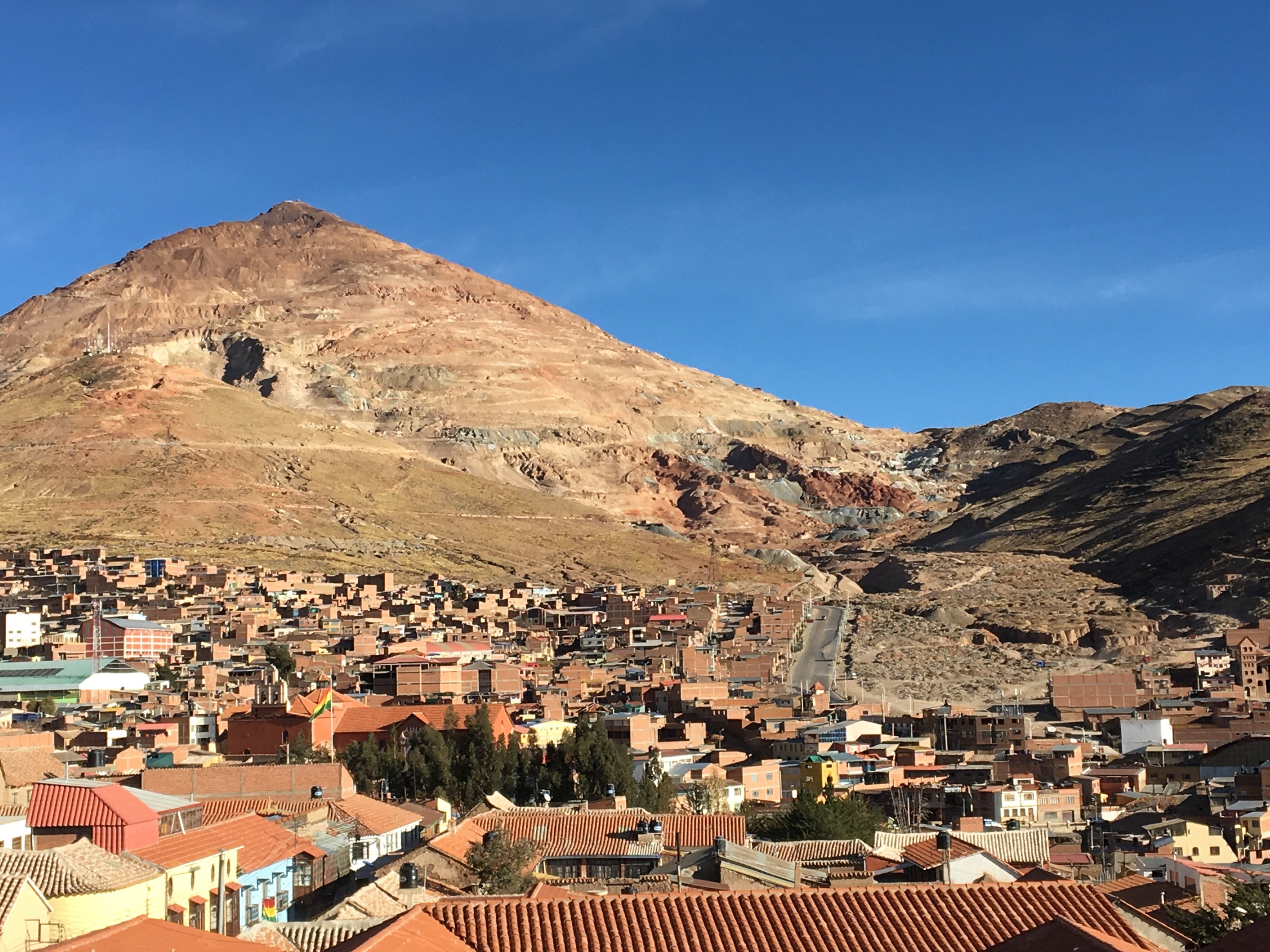
Potosí was once the largest and wealthiest city in the Americas. Founded in 1545 following the discovery of silver in the Cerro Rico — the "rich mountain" that looms above the city — it grew with astonishing speed: by the early 17th century it had a population rivalling London or Paris, and the phrase "worth a Potosí" entered the Spanish language as a synonym for fabulous wealth.
The silver ran thin in the early 19th century and Potosí contracted sharply, which paradoxically preserved much of its colonial architecture. A tin boom gave the city a second life, but it was never again what it had been. UNESCO recognised it as a World Heritage Site. The Casa de la Moneda — the old royal mint — is the great attraction: an extraordinary colonial building that tells the story of silver, slavery, and empire in considerable depth. The Cathedral Basilica and the Iglesia de San Francisco anchor a colonial centre that retains dozens of baroque churches and grand mansions. The Convent of Santa Teresa and the Museo Nacional de Etnografía are the other key museums.
Tours into the Cerro Rico mines — still worked today under difficult conditions — are among the most sobering travel experiences in South America. You will come out understanding the human cost of all that silver. The Khari Khari Lakes southeast of the city are artificial colonial reservoirs, worth the walk for the high Andean landscape and the industrial history.
Be aware that Potosí sits at over 4,000 metres — the highest major city on earth. Altitude sickness is common; give yourself a day or two to acclimatise before doing much. Drink coca tea, move slowly, and avoid alcohol on the first night.