Santa Marta is South America's oldest surviving city, founded in 1525 on a bay where the Sierra Nevada de Santa Marta drops steeply to the Caribbean. That collision of mountain and sea defines the place: snow-capped peaks loom behind tropical beaches, and the surrounding national parks hold some of Colombia's most spectacular landscapes.
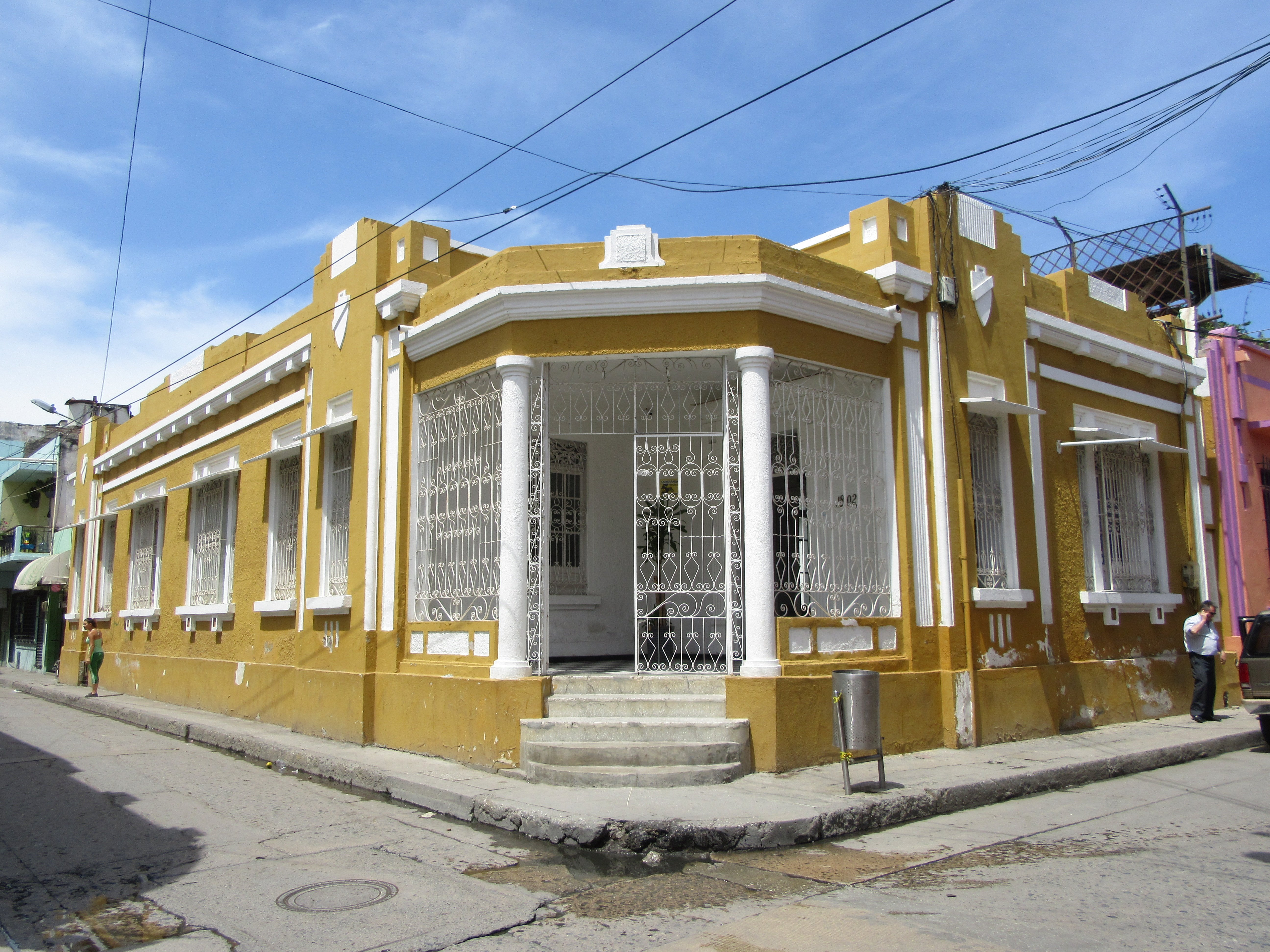
The city itself is compact and walkable. The historic centre has been cleaned up in recent years without losing its slightly rough edges — colonial churches and crumbling mansions share blocks with juice vendors and salsa bars. The Paseo Bastidas waterfront promenade is the evening gathering place for locals and visitors alike, with street food vendors, sea views, and the Sierra Nevada behind.
Most travellers use Santa Marta as a base. Tayrona National Park, one of Colombia's iconic natural reserves, is less than an hour away. The multi-day trek to Ciudad Perdida, the "Lost City" built by the Tayrona people, starts from here. The fishing village of Taganga, just over the hill, has long been a backpacker hub for diving.
But Santa Marta deserves more than a stopover. The food is excellent, the nightlife on Calles 17 and 18 goes late, and the nearby beaches at El Rodadero are some of the most popular on the Colombian coast. The Museo del Oro and the Quinta de San Pedro Alejandrino — the hacienda where Simón Bolívar died — add historical depth that most Caribbean beach towns can't match.