Atacames
©
Atacames

Atacames

Lively northern Ecuador beach town known for its long grey-sand shore and beachfront marimba bars.

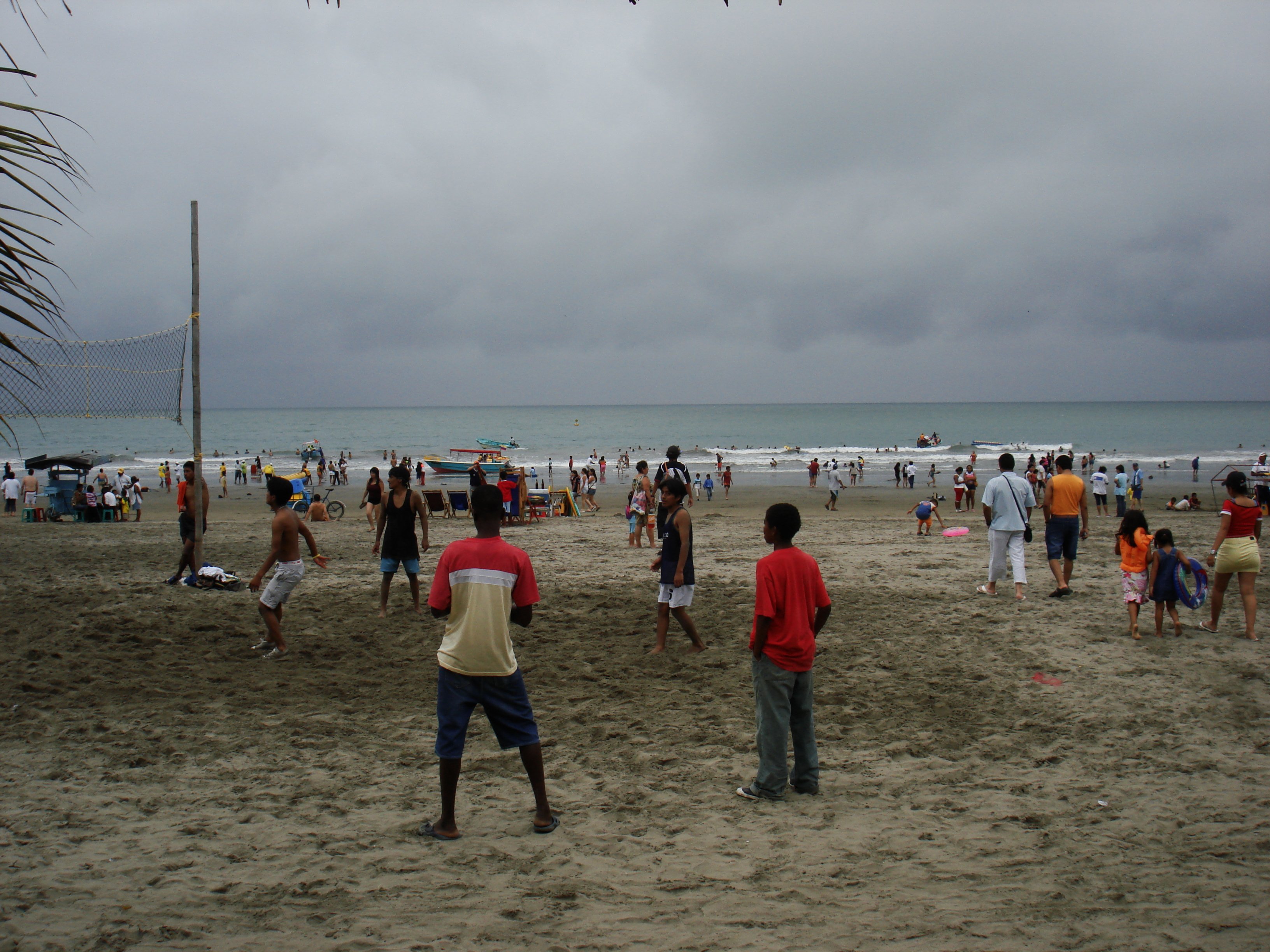
Atacames is a lively beach town on Ecuador's northern Pacific coast, spread along a wide stretch of fine grey sand. This is where Ecuadorians from the highlands come to let loose — a beachside playground of thatched-roof bars, ceviche stalls, and thumping music rather than a resort in any polished sense. Foreign visitors are the exception rather than the norm.

The main beach runs for nearly seven kilometres and the atmosphere shifts through the day: quiet mornings give way to a buzzing afternoon scene as vendors work the sand, and the evenings bring open-air dancing and cocktails served in coconut shells along the beachfront bar strip. On weekends and holidays it gets packed and loud; midweek is mellower. The water is warm year-round and the sunsets are reliable. Atacames is not refined, but it is fun, cheap, and authentically Ecuadorian.

For quieter options, the nearby fishing village of Súa sits 8 km south in a sheltered bay with birds and fresh fish, and the beach settlement of Same is another few kilometres beyond. Tonsupa, just north of town, is slightly more residential and calmer. The Río Atacames estuary at the eastern end of the beach is worth a short boat tour for birdwatchers.

Guide

Bars and Cafes

Atacames's nightlife is all on the beach — a continuous strip of thatched open-air bars where the distinctions between restaurant, bar, and dance floor blur comfortably into each other. The scene runs seven days a week in high season and dies almost completely on weekday evenings in the low season.

The signature drink is the coco loco: white rum, coconut water, lime, and ice, served in a hollowed coconut or a large plastic cup depending on the establishment. Cold Pilsener beer from the industrial brewery in Guayaquil is universally available and universally cold. Cocktails are cheap and strong. The music — cumbia, salsa, vallenato, and latterly reggaeton — starts around sunset and continues until the last paying customer leaves.

For something calmer, the few cafes on the main street one block back from the beach open early for espresso and the local pan de yuca, and close by early evening.

Guide

Eating Out

Seafood dominates the Atacames table, and much of it is excellent value. Ceviche de camarón — shrimp marinated in citrus juice, red onion, coriander, and chilli — is the signature dish, served in plastic bowls from carts on the beach or from the open-fronted restaurants along the main strip. Look also for encebollado, a hearty fish soup with yuca and pickled onion that functions as both breakfast and hangover remedy, and seco de cangrejo, blue crab stewed slowly with tomato, onion, and beer.

The beachfront strip has the widest choice but also the highest prices. Walk half a block inland and prices drop. Meals are cheap by any standard: a full plate with a cold beer rarely exceeds five dollars.

Guide

Getting There

Atacames is about 30 km south-west of Esmeraldas, the provincial capital, and roughly 320 km north-west of Quito.

From Quito: Cooperativa La Costanera and other bus companies run overnight and daytime services from Quito's Quitumbe terminal, taking around six to seven hours. Alternatively, take any bus to Esmeraldas and change there for the short onward connection.

From Esmeraldas: Shared taxis and minibuses (rancheras) run the 30 km to Atacames throughout the day. The ride takes about 30 to 40 minutes depending on traffic and stops.

By air: The nearest airport is General Rivadeneira Airport at Tachina, about 20 km from Esmeraldas. LATAM and smaller carriers fly from Quito.

Guide

When to Go

The Ecuadorian coast operates on a two-season calendar that is the reverse of what most visitors expect. The rainy season (December through May) is also the warm, sunny season — water temperatures peak, the sea is calmer, and the beach is at its best. The dry season (June through November) brings cooler water, stronger winds, and a grey mist called the garúa that can settle for days.

The most important variable for Atacames is not climate but crowds. Ecuadorian school holidays and public holidays — Carnival (February/March), Semana Santa (April), and the July and August school break — bring the town to bursting. If you want the beach to yourself, come on a weekday between June and November and accept the cooler, mistier conditions.