Kilimanjaro
©
Kilimanjaro

Kilimanjaro

Tanzanian mountain region around Kilimanjaro, with Chagga history on Africa's highest slopes.

Part of history

The controversy over the nile originating from mount kilimanjaro spurred African exploration and European imperialism. German explorers and missionaries arrived to ‘discover’ the truth and to attempt to convert the natives to Christianity. Eventually, treaties were formed with the Wachagga and the german Carl Juhlke. The british also formed treaties with locals to the north, in Taveta, which will later result in the current border between Kenya and Tanzania. The wachagga is a new tribe, only establishing itself within the last hundred years.

Where do they live?

The Wachagga can be found in northern Tanzania in the Kilimanjaro region. They live on the slopes of Mount kilimanjaro, where banana groves flourish to provide the people with their main staple. Specifically, you will be visiting the village of MachameUduru in the Hai district, about 20 km from Moshi town. Uduru, also known as Kiduru in Kimachame, means "an elevated area or top of a hill." Similarly, before being globally known as Kilimanjaro, it was named Kelemakyaro by the Wachagga, meaning "a high mountain and the mountain of God."

How is the weather?

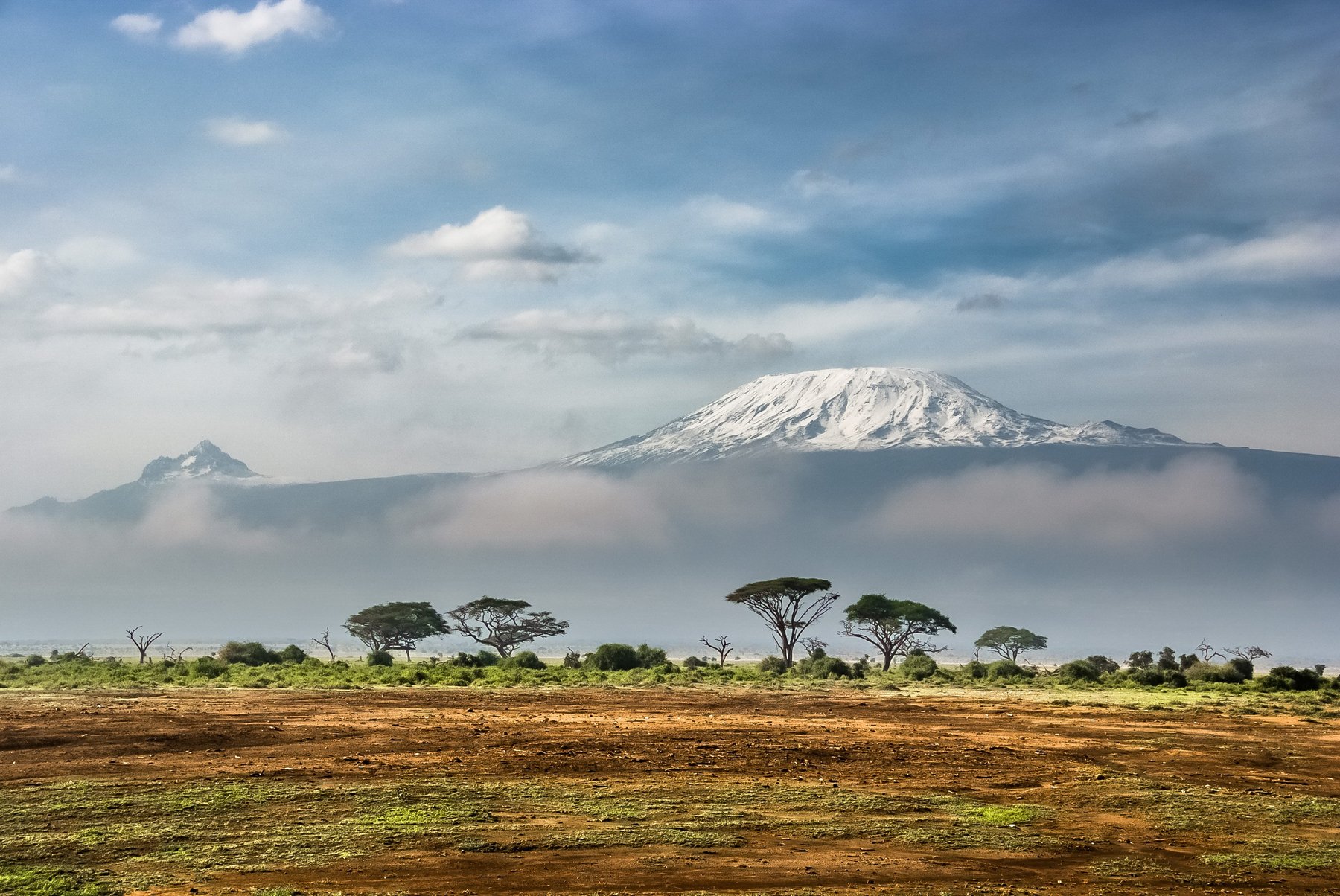
As a result of the altitude, the climate is cooler and moisture is more abundant than the lower lands. In fact, as the elevation increases, the temperatures drop gradually while animal and plant growth also changes. Kilimanjaro’s highest peak can be seen sporting a white crown of snow.

Who are the Wachagga?

The residents of the Kilimanjaro region are the Wachagga and Wapare tribesmen. The Wapare live in an area called Upare, but the dominant ethnic group is Wachagga. being one of the earliest communities influenced by Roman catholic and Lutheran missionaries, western education, and cash cropping through cooperative farming, they have impacted the fabric of Tanzanian life in the medical, educational, and business realms. They are also famous for their versatility in utilizing bananas in food and drink, including in the production of the famed banana wine.

** **

Minor corrections by giorgio on 29 March 05

Guide

Day Trips

There are a number of tours, hikes and treks you can do on and around Kilimanjaro.

Contributors January 03, 2008

Guide

Getting Around in Kilimanjaro

Important things that Help you Reach Mount Kilimanjaro Summit.

-Climb slowly to increase your acclimatisation time and maximise your chances of reaching the summit. To avoid altitude sickness, allow a minimum of five nights, preferably even more for the climb. Take your time and enjoy the beauty of the mountain.

-Use Mountain Climbing Outfitter (Tour Operator) which is licensed. The Legal company have employed Well trained and experienced Mountain Guides. These Professional Mountain Guides are trained and licensed by Mount Kilimanjaro National Park Authority. They understand all safety conditions in the Mountain for care taking of Tourists. http://www.kilitraveladventurestz.com

-There are also Mount Kilimanjaro Rangers, these are employed by Tanzania National Parks and they work hand in hand with Mountain Guides mentioned above in cases of Rescue if any case arises.

-Since these Mountain Guides are well trained and experienced, please trust them for your safety. Listen to them and will enable you reach Mount Kilimanjaro summit. These Guides are Friendly and will tell you various stories and knowledge about Mount Kilimanjaro, they are so friendly.

-Take Enough Bottled Water with you. Water is very important. Kilimanjaro Travel and Safari Adventure Services will buy mineral Bottled Water enough for you.

-Also Chocolate and Biscuits with Glucose will help you on Summiting day. Kilimanjaro Travel and Adventure Safaris will provide you with all these plus Rich enough food, including vegetables and Fruits. Our Porters and cooks will take care of you on Supervision of Guides.

-First Aid Knowledge and KIT is very essential. Our Mountain Guides and Porters are well equipped.

-Most Kilimanjaro climbing outfitters charge reasonably prices, especially those in Moshi and Arusha in Tanzania.

Contributors May 09, 2010

Guide

Practical Information in Kilimanjaro

Guide

Sights

Mount Kilimanjaro is the Everest of Africa, with its summit close to the altitude of Mt. Everest's base camp. Yet Kilimanjaro does not stand out as the highest peak in a snow-capped mountain range. It rises in complete isolation in a land of flat plains grazed by elephants, zebras and other African animals.

Kili - as the mountain is often referred to - rises to 19,336 feet (5,895 metres) in a land where no mountain seems fitting. If you arrive when this dormant volcano is obscured by cloud, you could miss it altogether, as there are no rugged foothills or plunging valleys to suggest its presence. Conquering this mountain is the dream of many visitors to Tanzania and about 20,000 hikers climb it every year.

Mountaineering skills are not a pre-requisite but a reasonable level of fitness and a lot of determination is. Altitude sickness can set in above 9,900 ft (3,000m) and is often the reason for failing to make it to the top.

In 1889 it took Hans Meyer six weeks to reach the summit. These days the treks last five or six days and porters are available to carry your load.

The local Chagga guides and porters often climb the mountain once a week, while the visitor unused to such exertion, finds this once-in-a-lifetime trek a literally breathtaking, exhilarating challenge.

**FLORA AND FAUNA

**The ascent takes you on a climatic journey from the tropics to the arctic. The grassy cultivated lower slopes soon turn into lush rainforest inhabited by elusive leopard, elephants, antelopes and buffalo. Above this is heath and moorland dotted with particularly impressive giant groundsel up to 16 feet (5 metres) high, along with huge lobelias and massive heathers. Iridescent blue-green sunbirds and drab brown but shrill-voiced alpine chats inhabit this strange world of giants. As the air grows dry and cold the terrain changes to Alpine desert, then finally ice, snow and cold rarefied air slow the pace to a dawdle. The crater rim at sunrise is the final achievement in this great African challenge.

**SEASONS

**Mt Kilimanjaro can be climbed throughout the year, but the rainy season makes the forest more slippery and the summit may be blocked by snow. Be prepared for bursts of rain on the mountain at any time of the year. Just after the end of the rains is scenically the most attractive time to go. Be prepared for climatic extremes, from rain in the forest, intense sun in the alpine desert and freezing temperatures at the summit.

Dry Season: It is best to climb the mountain in the dry months from late June to early October (which are cool and dry) or late December to early March (which are hot and dry).

Rainy Season: Rain usually falls from April to June and in November and early December. Heavy snowfalls may be experienced.

Temperatures: the lower slopes are warm and pleasant at around 59-68°F (15-20°C). Above 13,200 feet (4,000 metres) temperatures drop to lower than 41°F (5°C) and plunge to well below freezing in the icy winds on the summit.

KILIMANJARO SPECIALITIES

• Highest mountain in Africa

• Highest free standing mountain in the world and one of the world's largest volcanoes

• Unique flora and fauna

FACTS

The National Park covers an area of approximately 470 miles² (755 km²).

It attained park status in 1973.

The mountain is about 80 miles (120km) from Arusha.

There are six usual trekking routes to the summit.

Equipment and porters can be hired.

Nearly half of those who attempt Kili don’t make it to the top.

The mountain is a not a malarial area, but the surrounding lowlands of Tanzania are.

Guide

Things to do

Walking/Climbing

The upward track wends through forests that vary constantly with the altitude and finally opens out into open moorland below rocky, snow covered Kibo plateau. It has 3 volcanic centres, Shira, Kibo, and Mawenzi. 5, 7 & 8 day climbs are easily arranged from Moshi or Arusha, and is the perfect start to your trip in Tanzania.

When to Climb

It can be climbed at any time during the year. However, Christmas and New Year are usually fully booked and April, May and November is the rainy season.