Moshi
©
Moshi

Moshi

Kilimanjaro gateway town where trekking operators, coffee farms, and morning mountain views define the visit.

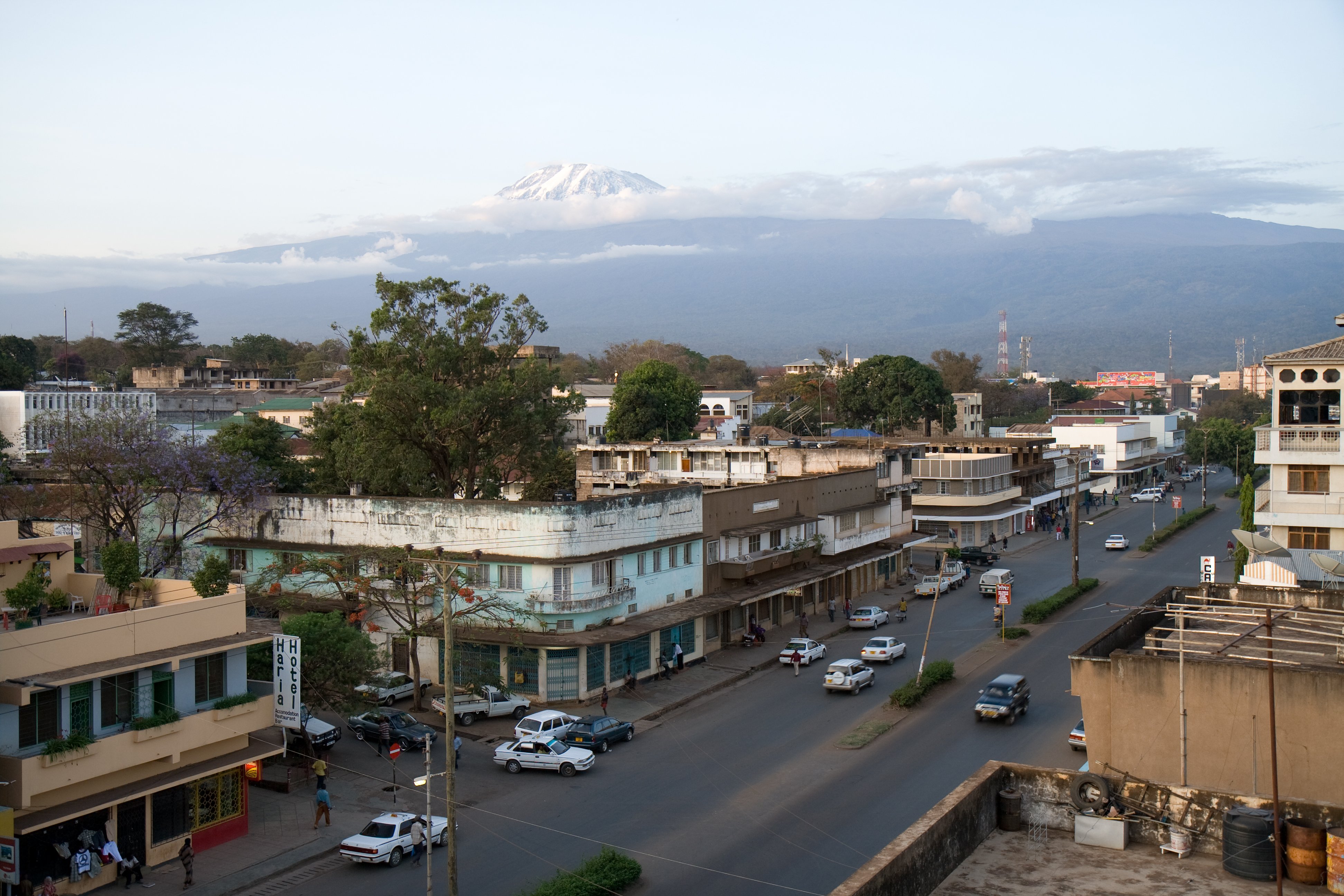
Moshi is the gateway to Mount Kilimanjaro, a busy little town set where the plains begin to climb towards Africa's highest peak. On this southern side the mountain hides behind cloud for most of the day — the snow-capped summit only reveals itself in the early morning and late evening, if you are lucky. Moshi means "smoke" in Swahili, a fitting name for a place perpetually in Kilimanjaro's shadow.

The town is the starting point for most Kilimanjaro treks. The Machame Gate — trailhead for the most scenic route up the mountain — lies about 30 kilometres northwest of town, and dozens of safari operators and trekking agencies are based here, offering climbs and trips to the northern circuit parks. Kilimanjaro International Airport lies between Moshi and Arusha to the west.

Even if you are not climbing, Moshi makes a pleasant stop. The Central Market is lively and sells excellent Kilimanjaro coffee directly from farmers. The surrounding Chagga villages offer guided walks through coffee and banana plantations; the Materuni Waterfall and Coffee Tour is the pick of these. Lake Chala, a volcanic crater lake on the Kenyan border, and the Kikuletwa Hot Springs to the west are both worth a half-day trip.

Guide

Getting There

Kilimanjaro International Airport (JRO) is located 50 kilometres west of Moshi, between Moshi and Arusha, and has direct flights from Nairobi, Dar es Salaam, Amsterdam (KLM), and several other international destinations. Shared minibus taxis (dala-dalas) connect the airport to Moshi regularly; the journey takes about an hour. Taxis and pre-arranged transfers are also available.

From Arusha, Moshi is about 80 kilometres east on the main highway, taking roughly an hour by shared taxi or bus. The road is in reasonable condition. From Nairobi in Kenya, Moshi is a popular bus journey — several services run daily, crossing the border at Namanga, with a total journey time of around 6-7 hours.

Guide

Things to Do

Most visitors to Moshi are here for Kilimanjaro, but the town and its surroundings offer more than just the mountain. The Materuni Waterfall and Coffee Tour is the best half-day excursion — a walk through Chagga coffee farms on the lower slopes, ending at an 80-metre waterfall and a cup of the local brew. Day walks through other Chagga villages pass through coffee and banana plantations, with waterfalls and viewpoints along the way.

Farther afield, Lake Chala is a striking volcanic crater lake on the Kenyan border, and the Kikuletwa Hot Springs (Chemka) to the west is a remarkable oasis of warm clear water in dry Maasai steppe. Moshi's Central Market is worth a morning for coffee shopping and local colour.

For Kilimanjaro, the Machame Gate is the starting point for one of the mountain's most scenic routes. Even non-climbers can drive up to the gate and walk into the montane forest. Moshi is also a base for safari trips to the northern parks — Tarangire, Lake Manyara, the Serengeti, and Ngorongoro Crater. Multi-day safaris typically depart from either Moshi or neighbouring Arusha.

Guide

When to Go

The best climbing seasons on Kilimanjaro are January-February and June-October, when dry weather gives the best summit conditions and clearest views. These are also the best times to visit Moshi itself, though the town functions as a base year-round.

The long rains (masika) fall from March through May, with short rains (vuli) in November and December. Climbing in the rainy season is harder, wetter, and colder, though some operators run trips year-round. For those coming purely to visit Moshi town, the rainy season is not a major obstacle — the town stays functional, the coffee tours still run, and prices at guesthouses and tour operators are lower.