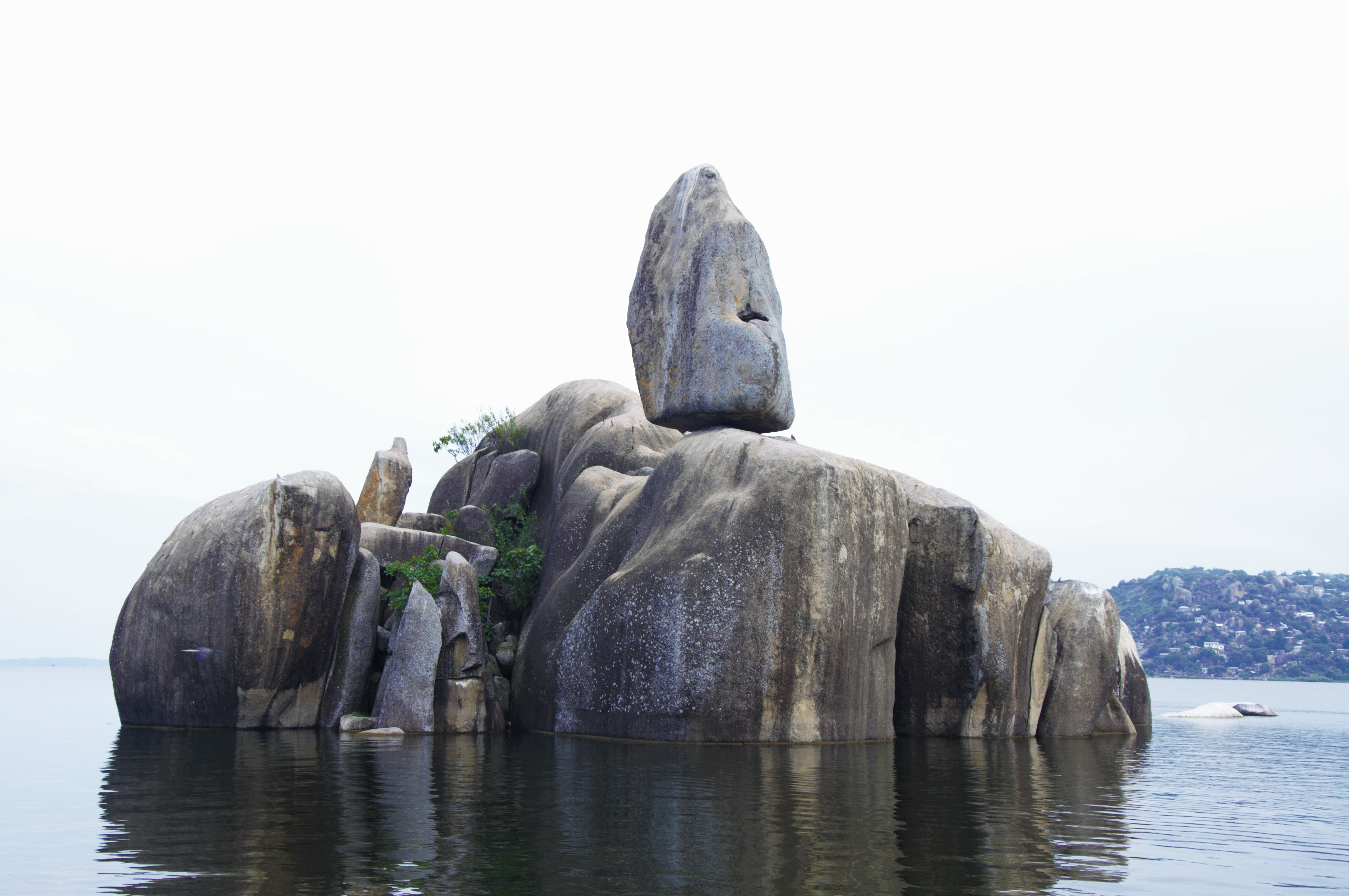
Mwanza is Tanzania's second-largest city, spread along the southern shore of Lake Victoria among dramatic granite boulders that give it the nickname "Rock City." It is a busy, sprawling port town — not conventionally pretty, but with a character quite different from the tourist trail further east.
The most photographed thing in town is Bismarck Rock, a single enormous boulder balanced apparently impossibly in the harbour. Behind it the dancing rocks cluster up the hillside, and a fifteen-minute walk above the centre, Robert Koch Hill gives the best in-town view across the lake. The pale-yellow Rosary Cathedral anchors the colonial-era centre.
The main reason travellers pass through is proximity to the Serengeti. Mwanza's Ndabaka Gate provides access to the western corridor of the park, which sees far fewer visitors than the routes from Arusha. The tiny Saanane Island National Park, on an island in the lake just off the city centre, is worth a few hours for its views and walkable wildlife. Out east of town, the Bujora Sukuma Museum is the most important record of the culture of Tanzania's largest ethnic group. And the chaotic Mwaloni Fish Market at the south end of the harbour, where the day's Nile perch arrives, is the city in concentrate.
For sundowners, the upmarket Capripoint peninsula has the lakeshore walks and the Yacht Club. The city has flights to Dar es Salaam, Arusha, and Bukoba on the western shore of the lake. The MV Victoria boat service runs on the overnight crossing to Bukoba several times a week and is a memorable way to leave town.