Longyan
©
Longyan

Longyan

Western Fujian city and Hakka gateway to Yongding's earthen Tulou roundhouses and villages.

Longyan is a mid-sized inland city in western Fujian, the principal urban centre of Hakka-speaking territory and the most practical gateway to the Tulou clusters of Yongding County. It is not a polished tourist destination — English is rarely spoken, sights are limited, and the city has the functional character of a regional administrative hub rather than a travel showcase — but that is also part of its appeal for visitors who want to see non-coastal Chinese urban life without the tourist infrastructure that now smothers most heritage sites.

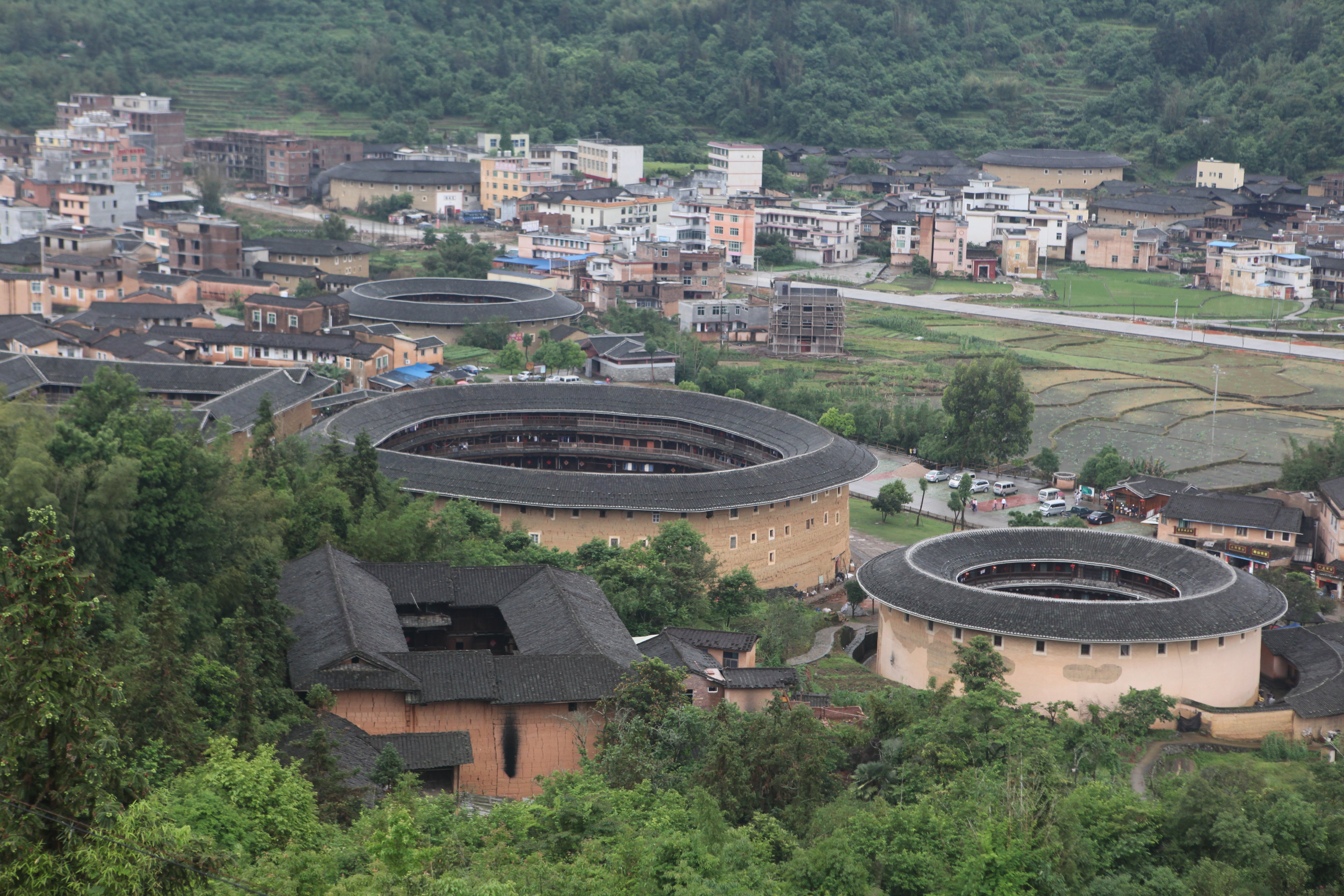
The real draw is the countryside outside the city. The Yongding Tulou, the great earthen roundhouses of the Hakka people, are most easily reached from Longyan, and spending a night in one of the villages — Hukeng and Gaobei are the most visited — gives a completely different experience from a day-trip out of Xiamen. The Tianluokeng Tulou Cluster in Nanjing County is the most photographed grouping of all. In Liancheng County to the north, Guanzhi Mountain National Geopark offers dramatic granite formations and a large lake that most foreign visitors never reach. Hot spring resorts operate in several of the surrounding counties and are popular with domestic tourists.

Longyan is also culturally significant as a centre of the Hakka identity — the dialect, cuisine, and architectural traditions of these communities, who moved south from northern China over many centuries, are distinct from the Fujianese Hokkien culture of the coast. Local food runs to hearty stews and preserved meats rather than the lighter seafood preparations of coastal Fujian. Longyan is accessible by high-speed rail from Xiamen in about an hour.

Guide

Eating Out

Longyan's food reflects its Hakka heritage: hearty, preserving-heavy, and distinct from the lighter seafood cuisine of coastal Fujian. Rice wine chicken, braised pork with preserved vegetables, and steamed fish from the mountain rivers are staples. The central market area around Longyan Road has the densest concentration of local restaurants, most operating from mid-morning through to late evening. Street food stalls near the long-distance bus station serve quick noodle dishes suited to an early departure.

Guide

Getting There

Longyan is well connected by high-speed rail to Xiamen (around 50 minutes) and to Fuzhou (around 90 minutes). The railway station is on the northern edge of the city, with city buses and taxis connecting to the centre. Long-distance buses from the central bus station serve the surrounding counties including Yongding and Liancheng, which are not on the rail network. From Xiamen, it is also possible to reach Yongding by direct tourist bus without going through Longyan city at all.

Guide

When to Go

The best times to visit Longyan and the surrounding tulou country are April to June and September to November. Spring brings mist in the mountain valleys that turns the tulou landscape particularly atmospheric, and the rice terraces are green in early summer. Autumn has clear skies and pleasant temperatures. Summer (July–August) is hot and humid, with occasional typhoons affecting the region, though it also brings the largest crowds to the tulou. Winter is cool rather than cold, with occasional fog, and the villages are at their least crowded — a genuine advantage for photography and a calmer experience inside the compounds.