Beiji Village — the name means literally "northernmost" — is China's most northerly inhabited settlement, a small community on the southern bank of the Amur River at the point where Heilongjiang curves north toward Siberia. Russia is directly across the water. The village exists at the intersection of extreme geography and Chinese tourism infrastructure: there is a monument marking the northernmost point, a post office that stamps your passport or a commemorative card, and a Santa Claus House theme park about 25 kilometres away that has become improbably popular with domestic visitors. None of this is meant to discourage — the combination is genuinely strange and the landscape is genuinely beautiful.
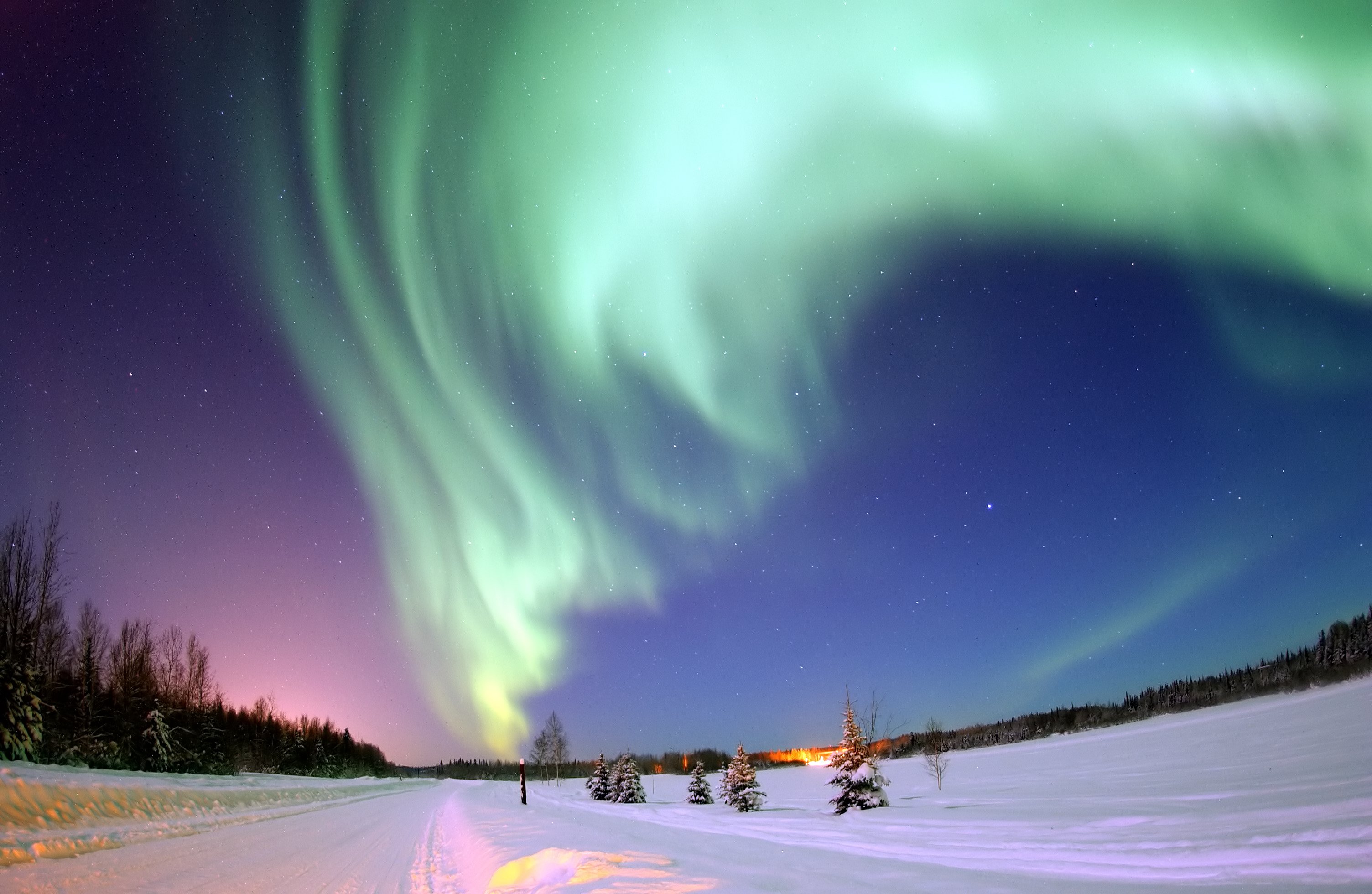
The real reason to come is the aurora. At this latitude, close to the magnetic pole's influence, the northern lights are visible on dark winter nights from roughly November through March, and on a good night above the frozen Amur River with Russia silent on the far bank, the experience is among the more memorable that northeastern China offers. The summer solstice brings the other extreme: very short nights with a long dusk that barely darkens. The surrounding Greater Khingan forest, largely preserved, gives the area a primeval quality — the boreal landscape here is essentially continuous with the Siberian taiga on the opposite shore.
Beiji Village is accessed via Mohe, the nearest town of any size, about 25 kilometres to the southeast. From Mohe there are taxis and occasional public buses; most visitors take taxis both ways and pair the trip with the other sights around Mohe, including the Beiji Town aurora observation platforms. The village itself is small enough to walk in an hour, and accommodation is basic — farmhouse guesthouses and a small hostel. The local food is limited but includes smoked fish from the Amur and wild blueberry products that are genuinely excellent.
The winters are among the coldest inhabited by any permanent Chinese population: January averages around −36°C, and the cold on the riverbank, with wind off Russia, is of a quality that rewrites your understanding of what cold means. This is not a drawback for the right traveler. Pack accordingly and go.