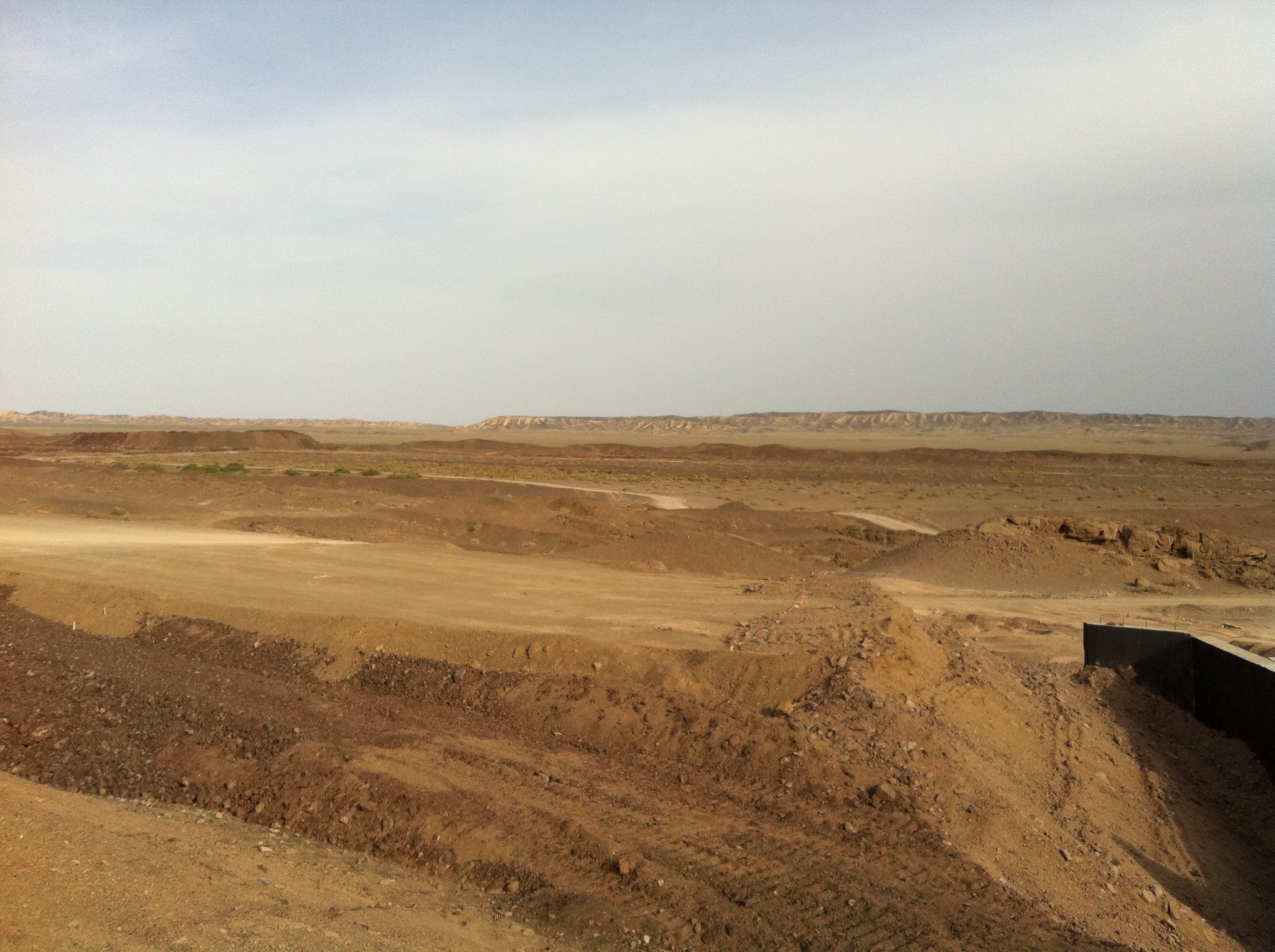
Hami — historically Kumul, now officially designated Yizhou District — sits at the eastern gateway to Xinjiang, where the Gansu corridor finally opens into the wider Central Asian basin. It is the first proper oasis city after the long desert crossing from the east, and for centuries of Silk Road travellers it represented the beginning of the most dangerous portion of the journey: the approach to the Taklamakan. The name Hami is inseparable from its melon, a long golden variety with white flesh and exceptional sweetness that is celebrated across China. The combination of intense summer sun, cold nights, and the particular minerals in the oasis soil produces a flavour that resists replication elsewhere.
The Tomb of the Hami Kings is the most substantial historical site in town — a mausoleum complex where nine generations of the Kumul Khanate rulers and three Islamic preachers lie buried. The structure is a hybrid of Uyghur and Chinese architectural styles, reflecting the Kumul sultans' position as Qing dynasty loyalists who maintained their autonomy through careful accommodation with the imperial court. The adjacent mosque, built in the same compound, remains in use. The Hami Museum holds a collection of mummies excavated from the surrounding desert — Bronze Age bodies preserved by the extreme aridity, among the earliest evidence of Caucasian peoples in Central Asia.
East of the city, the Ghost City is a geological formation carved by centuries of wind into pinnacles and arches that resemble a ruined urban landscape. The scale is considerable and the light in the late afternoon turns the eroded rock from grey to orange. It is not unique to Xinjiang — similar wind-eroded formations exist across the northwest — but the Hami version is less visited than the better-known ones near Ürümqi and is approached through a landscape of angular desert hills that has its own austere quality.
Hami sits on the main railway line between Ürümqi and the east, making it a natural break in the journey. Trains from Ürümqi take around seven hours. The town is also the starting point for the road south through the Kumul Basin toward the Lop Desert and the old southern Silk Road route, a journey that requires permits and considerable self-sufficiency.