Suqian is a northern Jiangsu city with a history it wears lightly but is genuinely proud of: it was the birthplace of Xiang Yu, the fearsome warlord who defeated the Qin Dynasty and then lost the subsequent struggle for China to Liu Bang, the founder of the Han. The ancestral home of Xiang Yu is the centrepiece attraction, and it operates as a serious historical site with good contextual material about the turbulent Chu-Han Contention period. Emperor Qianlong reportedly visited Suqian five times on his southern inspection tours and called it the finest spring destination in the empire — the lakeside parks in blossom season lend credibility to that praise.
The city is also one of China's most important liquor-producing centres. Yanghe Daqu, made here since at least the Tang Dynasty, is one of the top-selling baijiu brands nationally; the distillery welcomes visitors and the aroma of fermenting sorghum hangs over certain neighbourhoods. Shuanggou, an older but less commercially prominent brand, also originates here. For visitors with any interest in Chinese spirits, the context Suqian provides is illuminating.
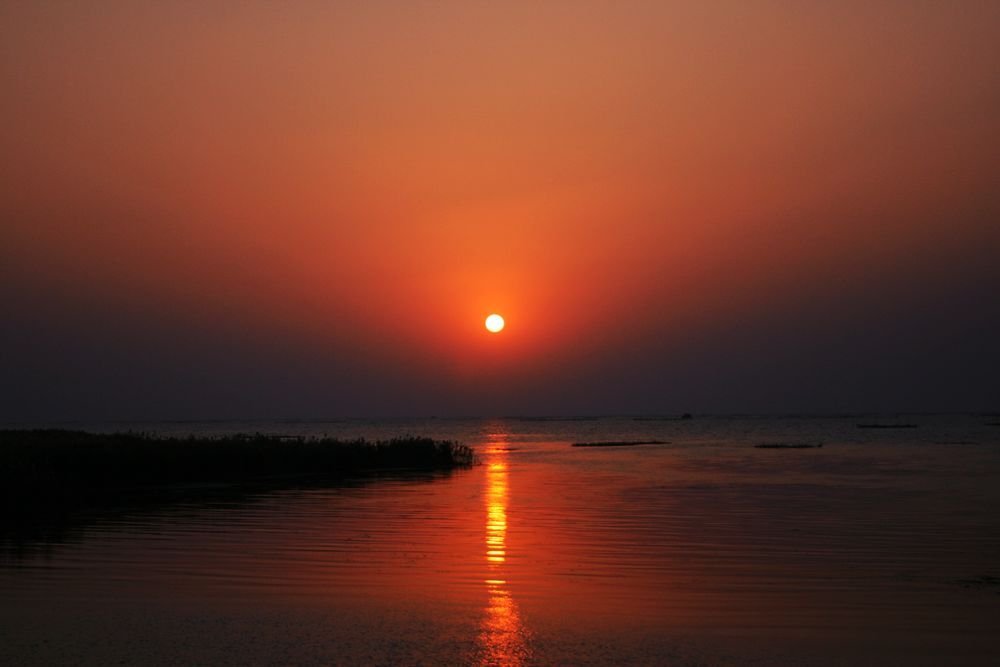
Hongze Lake, which borders Suqian to the south, is one of China's largest freshwater lakes and the heart of a substantial wetland reserve. Boat trips on the lake and the Luoma Lake waterway to the east of the city offer quiet, expansive scenery that contrasts with the urban density of the southern Jiangsu cities. The lakes also mean the local cooking is centred on freshwater fish and crayfish, with crab from Hongze appearing on menus in autumn.
Suqian is not yet well set up for independent international travellers, but rail connections to Xuzhou, Huai'an, and Nanjing are improving as the high-speed network expands. It sits comfortably as a one-night stop on a circuit of northern Jiangsu.