Baishan sits in the mountainous southern part of Jilin Province, close enough to the North Korean border to make the Yalu River visible from the city's edge. The terrain around it is the defining fact of the place: mountains, valleys, and rivers with a topography that produces some of China's most severe winters and some of its more striking seasonal landscapes. Spring wildflowers, autumn foliage in the birch and pine forests, winter ice and snow — the city has built small festivals around each of these, which is a practical acknowledgement that the landscape is the attraction and the city itself is the frame for it.
The most important site in the Baishan area is Changbai Mountain, whose various slopes and attractions are accessible from here, making Baishan an alternative base to Baihe for people approaching Changbaishan from the south or west. The karst caves and hot springs at the base of the Changbai range are accessible from Baishan and attract visitors who want something other than the summit trek. The Yalujiang River cruise along the border is unusual in that it puts you on the water with North Korean territory on the far bank — close enough to see villages — and the visual fact of that proximity tends to linger.
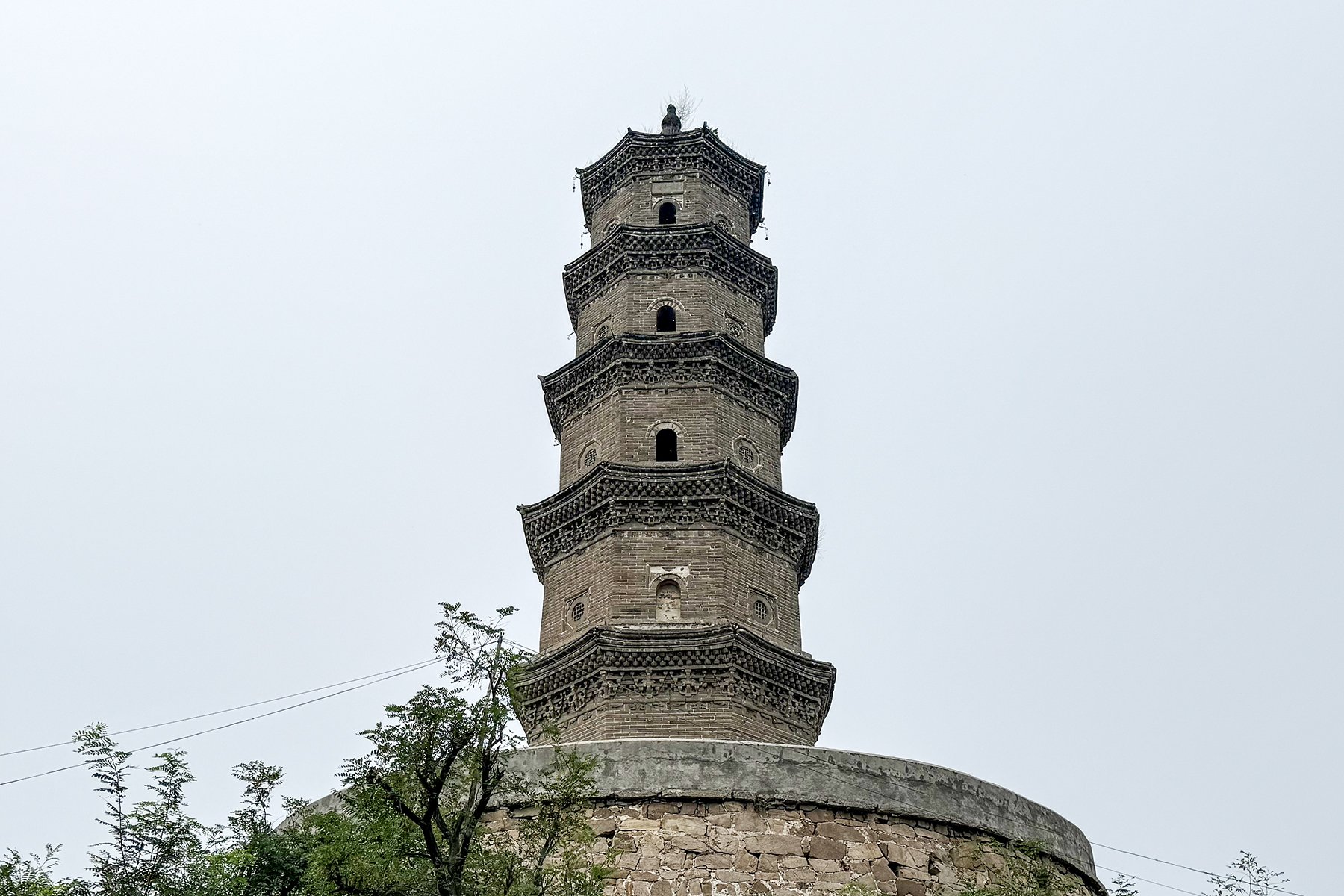
The Long Shan Lake scenic area offers boat trips and forest walks in a landscape shaped by volcanic geology. Beishan Ski Field provides a local skiing option for winter visitors who don't want to make the trip to the larger resorts near Jilin City. The Tang Dynasty Lingguang Pagoda in the city is a rare surviving structure from the eighth or ninth century, and worth a look for the simple reason that very few structures from that era survived the upheavals of the intervening centuries in this part of China.
Local cuisine here runs to a fusion of northeastern Chinese cooking with strong Korean influences — the proximity to the border and the large ethnic Korean population in the wider region means that kimchi, cold noodles, and fermented preparations appear alongside the heavy pork and grain dishes of the Han northeast. The mushrooms from the Changbai forest are a local speciality that markets in Baishan sell as gifts, and they are the real thing rather than the cultivated variety.