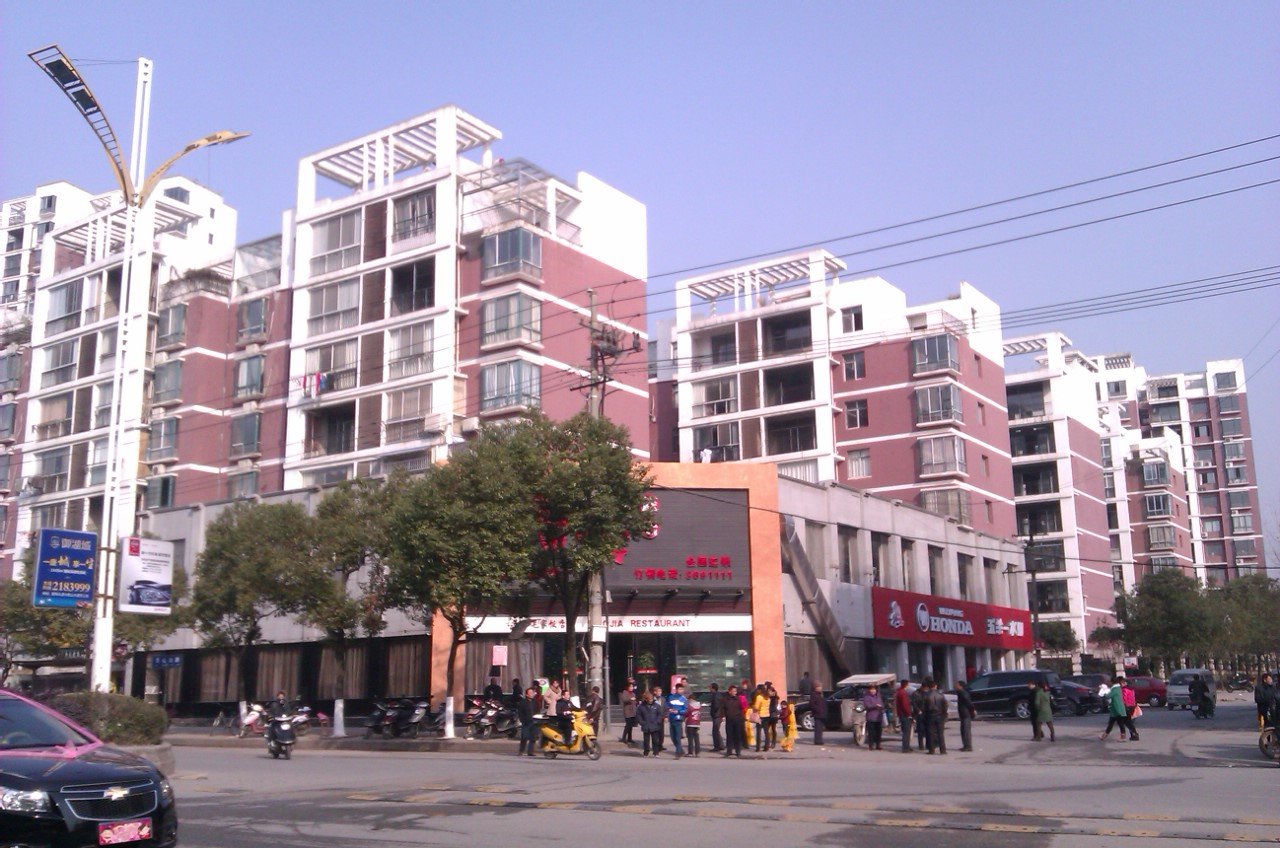
Yichun is a mountainous prefecture in northwestern Jiangxi whose name translates as "pleasant spring" — an accurate description for about three months of the year and an aspirational one for the rest. The city itself is modest, but the surrounding landscape is densely forested and crossed by rivers, and Mingyue Mountain to the southwest is the kind of national forest park that rewards visitors who arrive without inflated expectations. The mountain's crescent shape, visible from certain angles on the approach road, gave it its name.
Mingyue Mountain divides into several tourist zones, each emphasizing different attractions: hot springs fed by selenium-rich groundwater in Wentang town at the base, Buddhist temples in the Yangshan area that trace a lineage back to the Tang dynasty, and hiking trails among peaks that exceed one thousand meters. The area holds a particular place in the history of southern Chinese Buddhism — several significant monastic lineages passed through here, and the remaining temples retain active religious communities rather than functioning purely as scenic props.
Yichun also claims Tao Yuanming, one of the most beloved poets in classical Chinese literature, among its native sons. The Tao Yuanming Memorial Hall in the city honours his legacy. Tao's preference for rural simplicity and his famous refusal to compromise his principles for official advancement made him an enduring symbol, and his native region around Yichun carries that literary association with evident pride. The Yichun Confucian Temple adds another layer of cultural history within the city itself. For travelers interested in classical Chinese poetry or Buddhist cultural history, the city offers more than its modest profile suggests.