Liaoyuan occupies the geographic centre of Jilin Province, in the hills south of Changchun, and has the identity of a coal-mining city that is working out what to do with itself in a post-coal era. The mines that drove its twentieth-century growth are largely exhausted, and the city has the somewhat transitional character common to resource towns that peaked decades ago and are now diversifying into lighter industry and services. This is not unusual in northeastern China, but it gives Liaoyuan a particular texture — older industrial infrastructure alongside newer development, a working population that remembers when the mines were running, a landscape marked by decades of extraction.
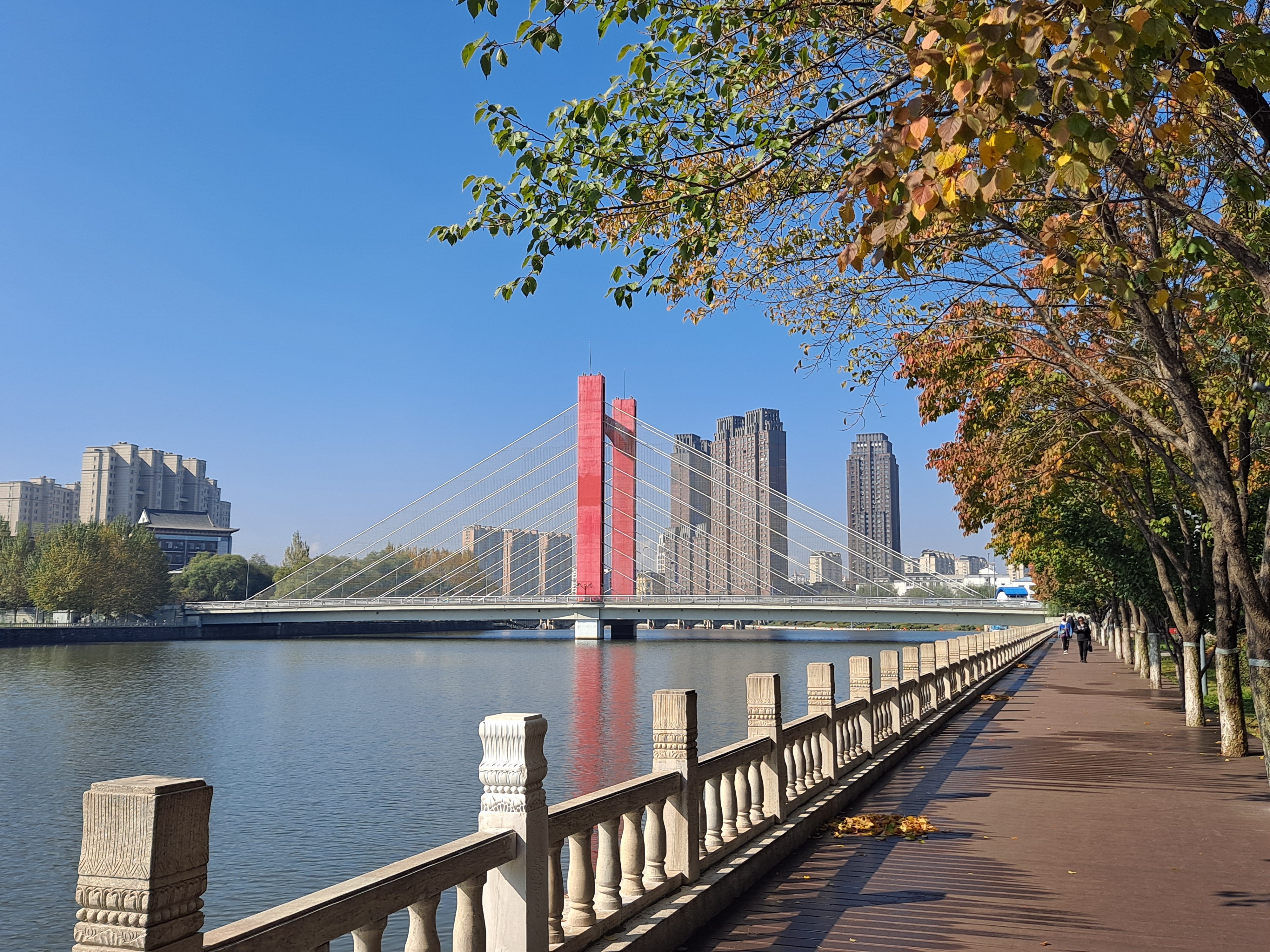
The Dongliao River runs through the city and the riverbank provides the most pleasant walking in the urban area. Kuixing Tower, a traditional Chinese tower that has become the city's visual symbol, sits prominently in the city centre and is the standard photographic reference point. The Jiangcheng Forest Plant Garden and Fuyuan Agriculture Development Garden offer green space on a more organised footing. The Tombs commemorating miners who died under Japanese occupation represent a darker thread in the city's history — Liaoyuan's coal was mined under brutal conditions during the Japanese occupation period, and these memorial sites carry that weight.
The hills around the city are attractive for walking and cycling in the warmer months, and the surrounding landscape has the gentle roll of central Jilin rather than the dramatic mountain terrain of the south. Local food is standard northeastern Chinese — heavy grain-based dishes, preserved vegetables, pork in multiple preparations — with the honest frugality of a working city rather than the more self-conscious regional cuisines found in Yanbian or near the Changbai range.
Liaoyuan is about ninety minutes from Changchun by road or rail and is rarely visited by travellers passing through Jilin Province. There is no compelling reason to make it a destination in its own right unless you have a specific interest in the industrial northeast or the mining history of Manchuria, but it fits easily into a route between Changchun and the southern mountain areas.