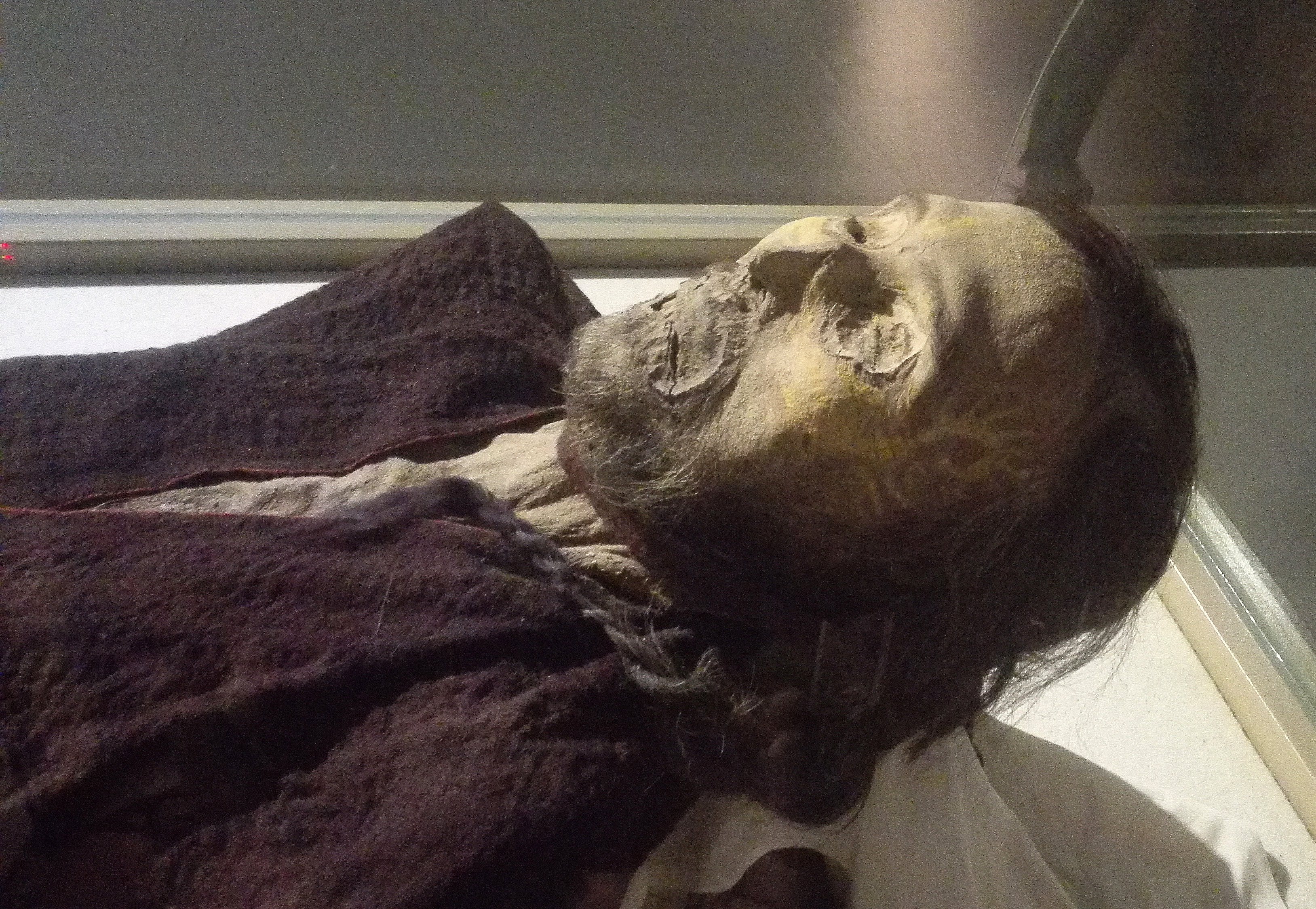
Cherchen — the Chinese name is Qiemo — is a small oasis town on the southeastern edge of the Taklamakan, roughly midway along the southern Silk Road between Hotan and Ruoqiang. It is among the least visited towns in Xinjiang accessible without special permits, which is precisely what makes it interesting. The ancient settlement of Calmadana once stood here, a waystation on the Jade Road predating the Silk Road proper. Xuanzang stopped here in 644 CE on his return from India; Marco Polo passed through in 1273. Neither devoted much space to it in their accounts, and the town maintains a similar modesty today.
The area's archaeological significance is considerable. A 3,500-year-old cemetery at Zaghunluq is the source of some of the most famous Tarim mummies — Bronze Age bodies with Caucasian features, reddish hair, and intact clothing preserved by the extreme aridity of the desert margin. The mummies themselves are now in Ürümqi's museum, but the grave site and its context can be explored locally. The Toghraklek Manor, a Uyghur warlord's estate, now houses a small collection of artefacts from the cemetery and from other sites in the region. It is a more honest display than many provincial museums: rough, underfunded, and unmediated by the kind of interpretation that flattens everything into a national narrative.
The real draw for those willing to make the effort is the Molcha River petroglyphs, roughly 180 kilometres from town. A cliff face along the river carries thousands of rock carvings — hunters, animals, pastoral scenes, abstract symbols — spanning the Bronze Age through the Iron Age, painted and pecked into the stone over at least two millennia. The site receives very few foreign visitors. Getting there requires a local guide and either a hired vehicle or patience with intermittent bus services.
Cherchen sits on the new Hotan–Ruoqiang railway line, which has transformed access to the southern Taklamakan towns. Buses still run to Hotan in around eleven hours and to Ruoqiang in six. The airport handles limited flights. Services are basic and no ATMs accept foreign cards; bring cash.