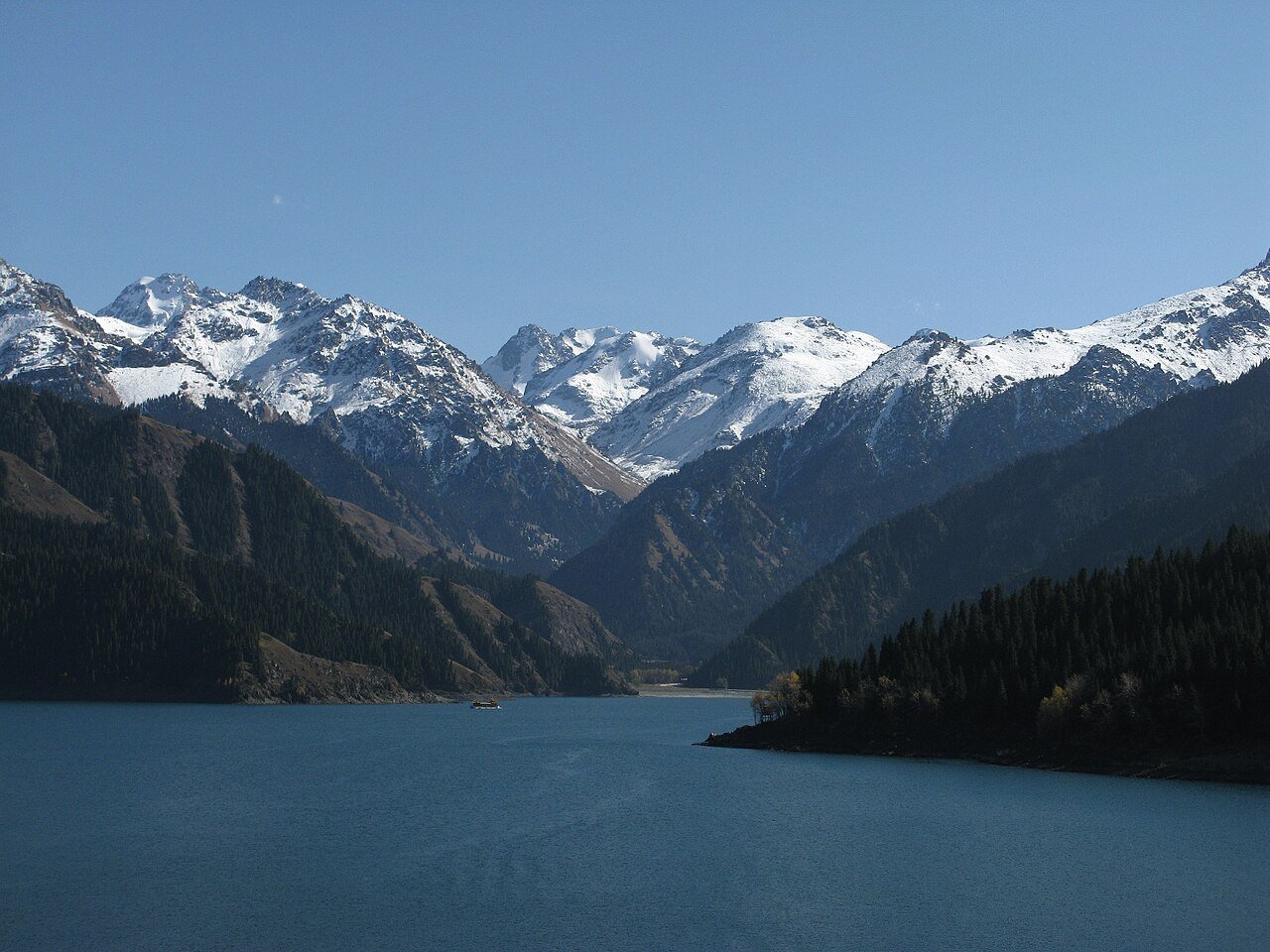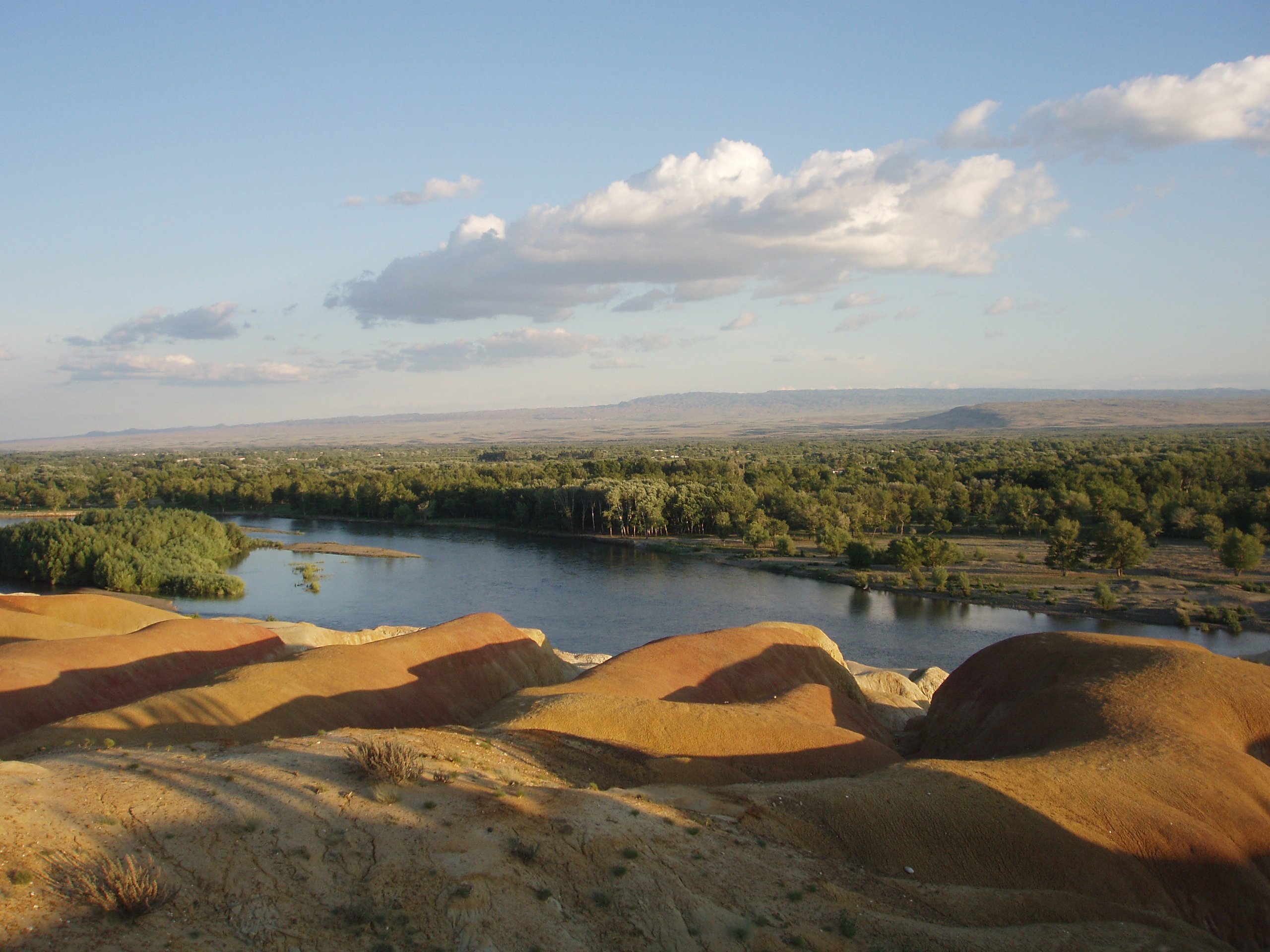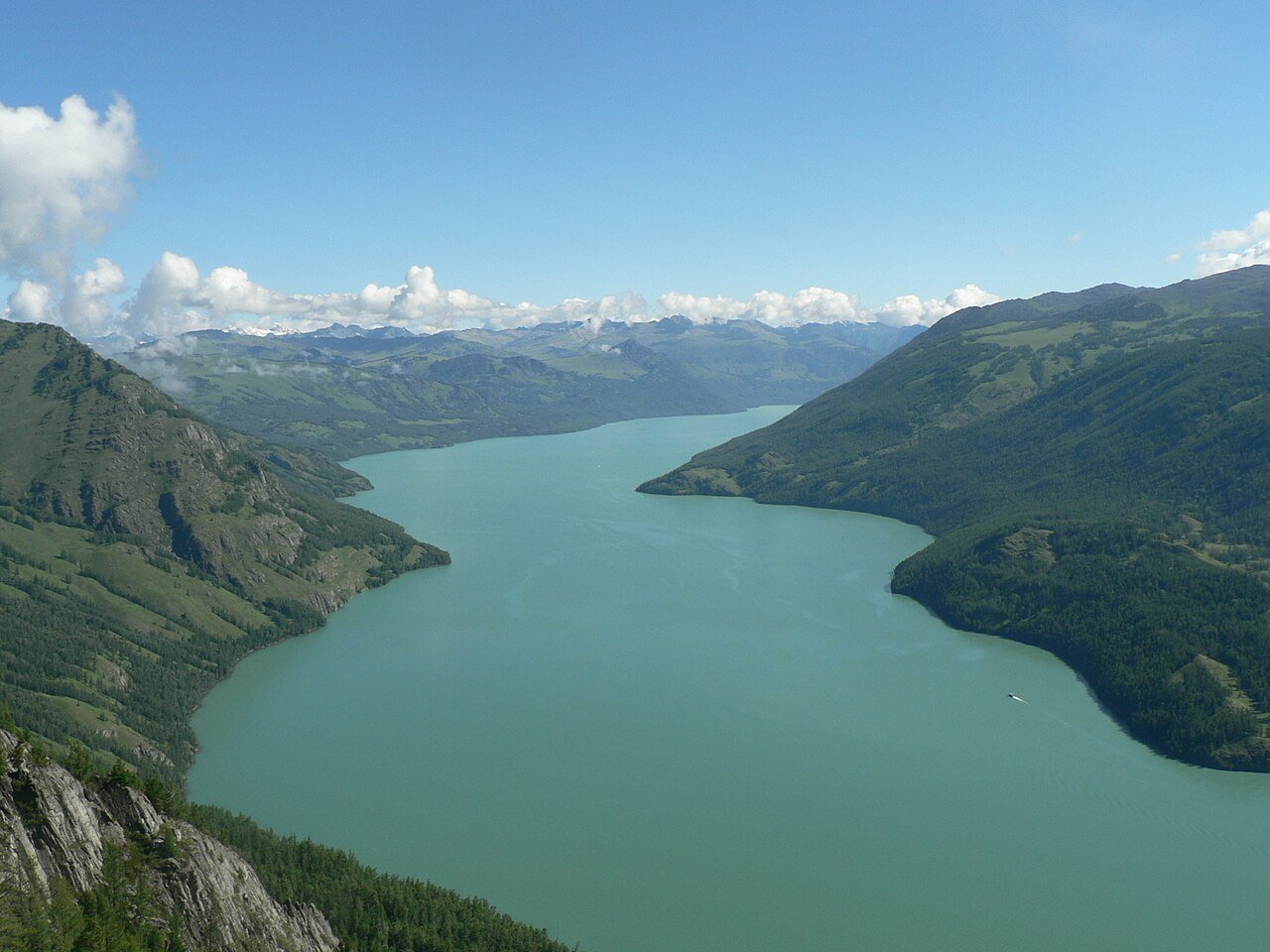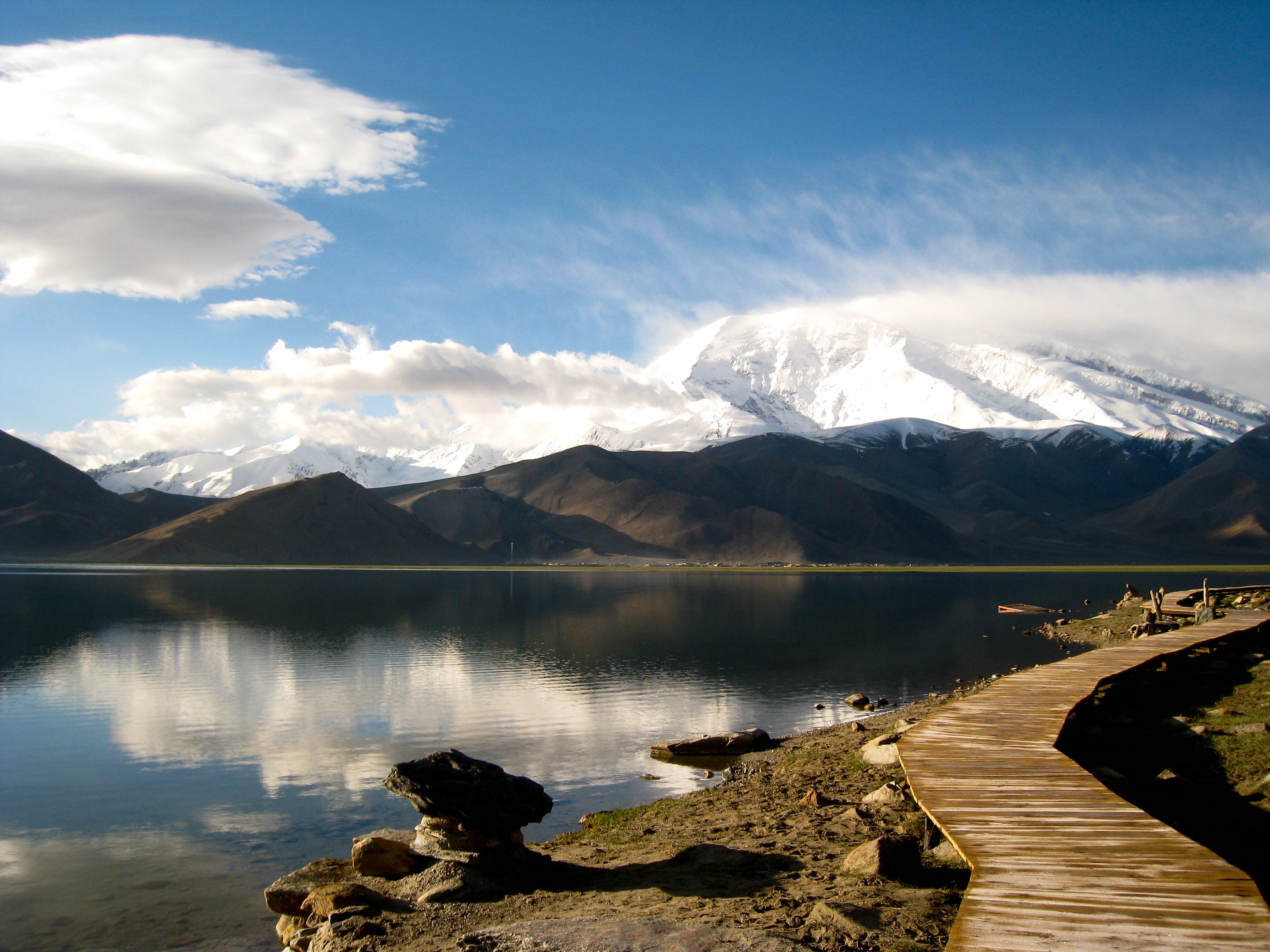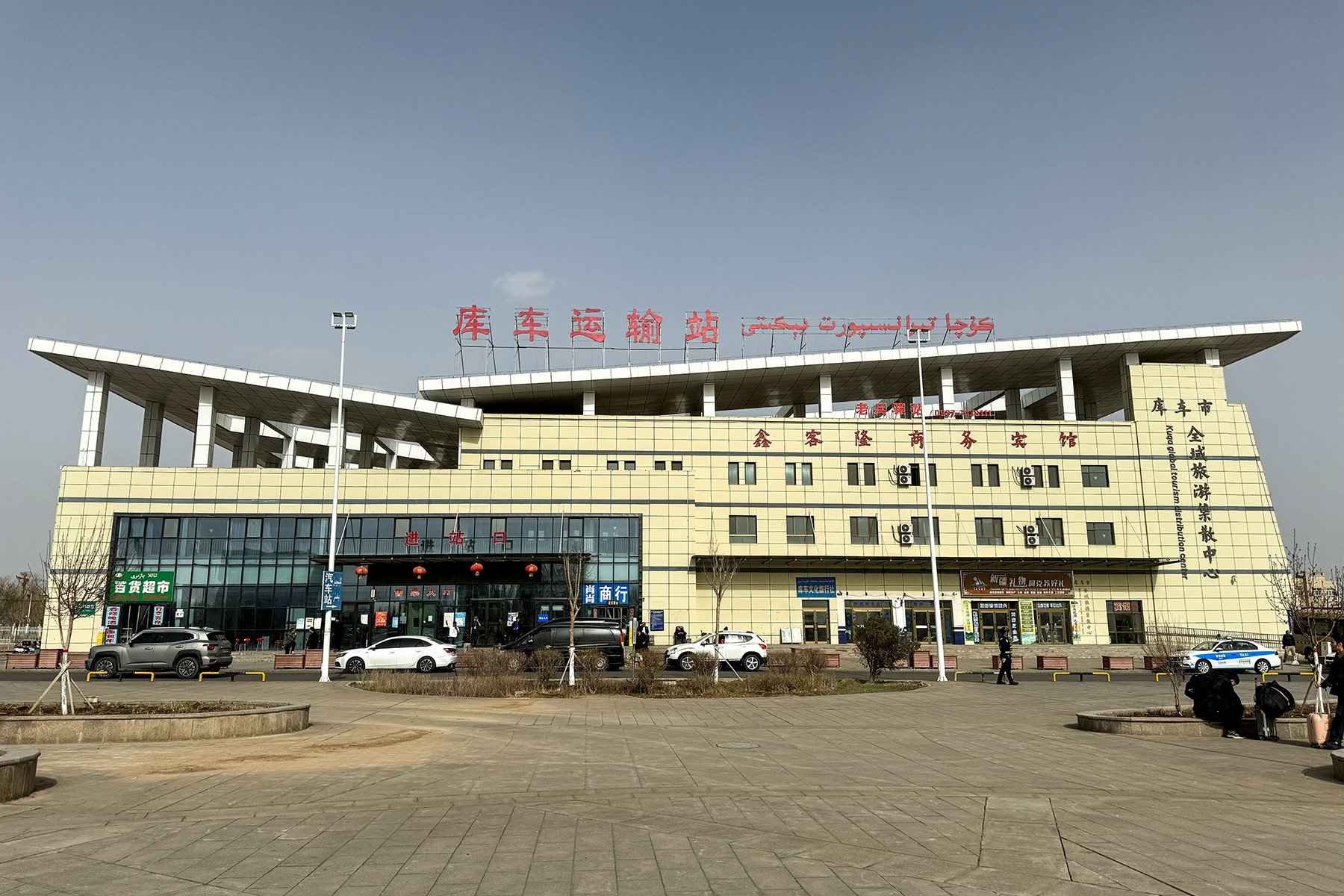
Xinjiang is China's largest administrative division, a region the size of Western Europe occupying the country's far northwest. It is also one of the world's great crossroads — the point where the Chinese empire met the Central Asian steppe, where the Silk Road split into northern and southern branches around the Taklamakan Desert, where Buddhism, Islam, and Chinese culture pressed against each other for centuries. The landscape ranges from the world's second-lowest point (the Turpan Depression) to some of the highest passes in the Karakoram. No brief description does it justice.
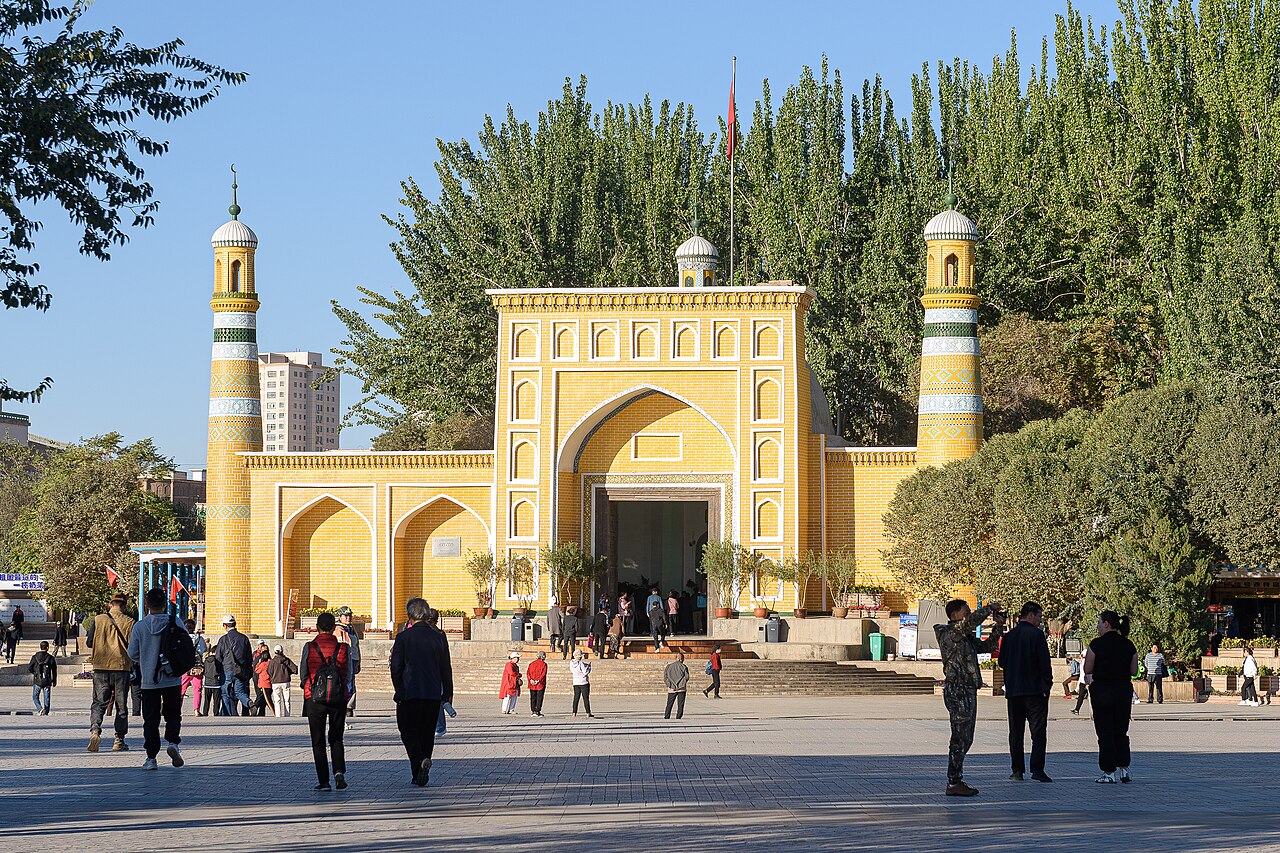
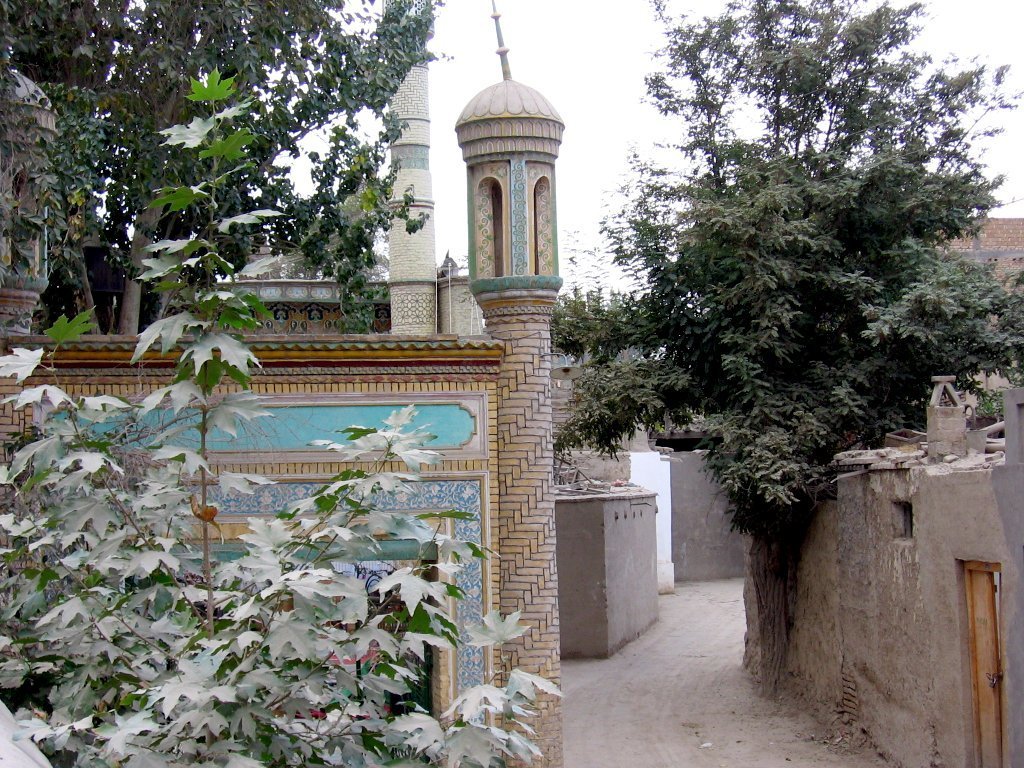
Kashgar in the far west is the reason many people make the journey. The old city around the Id Kah mosque is Central Asian in character — mud-brick lanes, copper workshops, bread baked in tandoor ovens — and the Sunday livestock market remains one of the great bazaars of Asia. It sits at the junction of trade routes to Pakistan, Kyrgyzstan, and Tajikistan, and has that particular quality of remote markets everywhere: everything essential to human life available in one noisy, aromatic place.
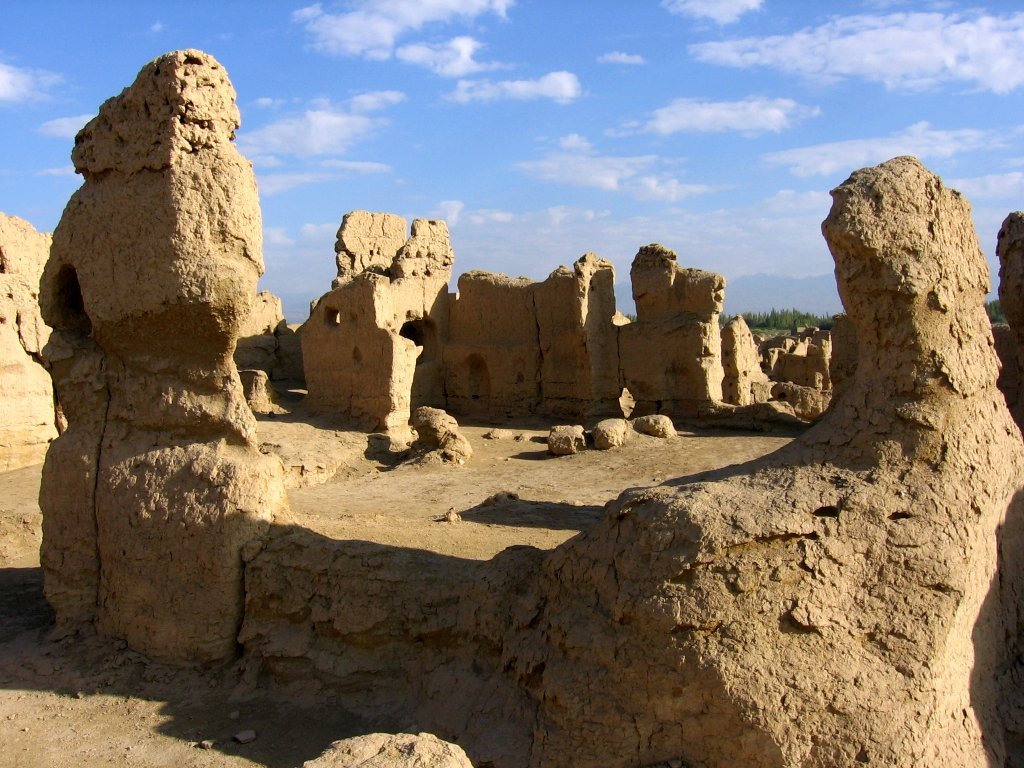
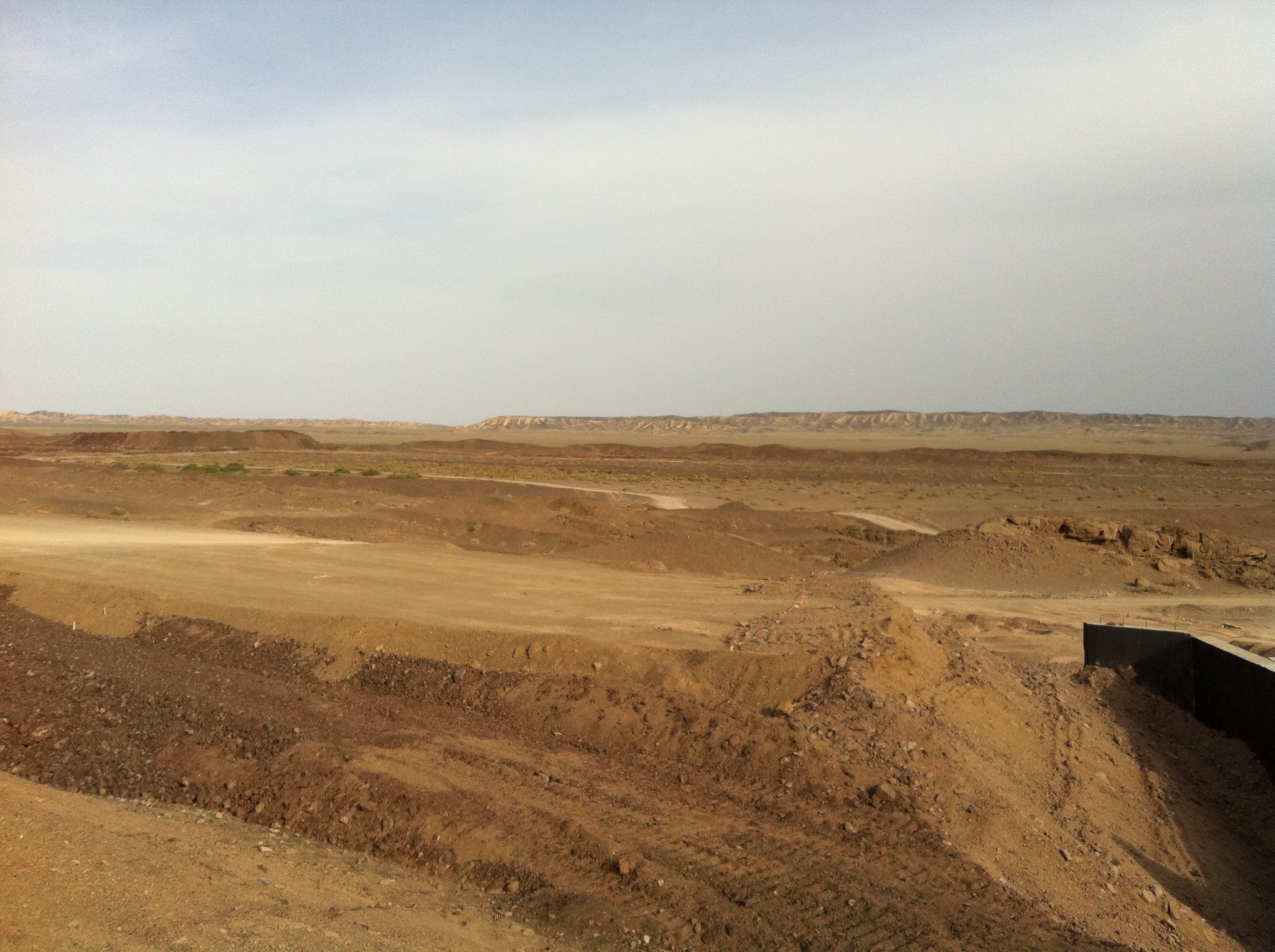
Turpan, east of Ürümqi in its famous depression, is surrounded by some of the most important Silk Road ruins in China. The abandoned cities of Jiaohe and Gaochang, once major oasis towns on the main Silk Road, crumble back into the desert with an archaeological grandeur that more famous sites struggle to match. The local Uyghur grapes are extraordinary — the combination of intense sun, cold nights, and ancient irrigation channels (the karez system) produces something worth travelling for in itself.
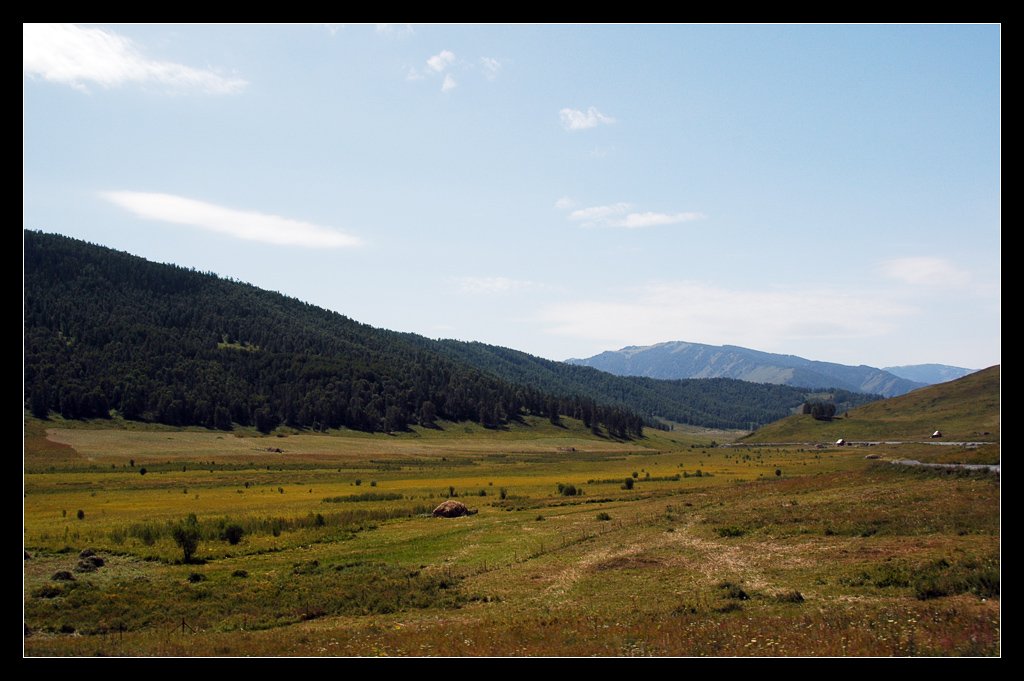
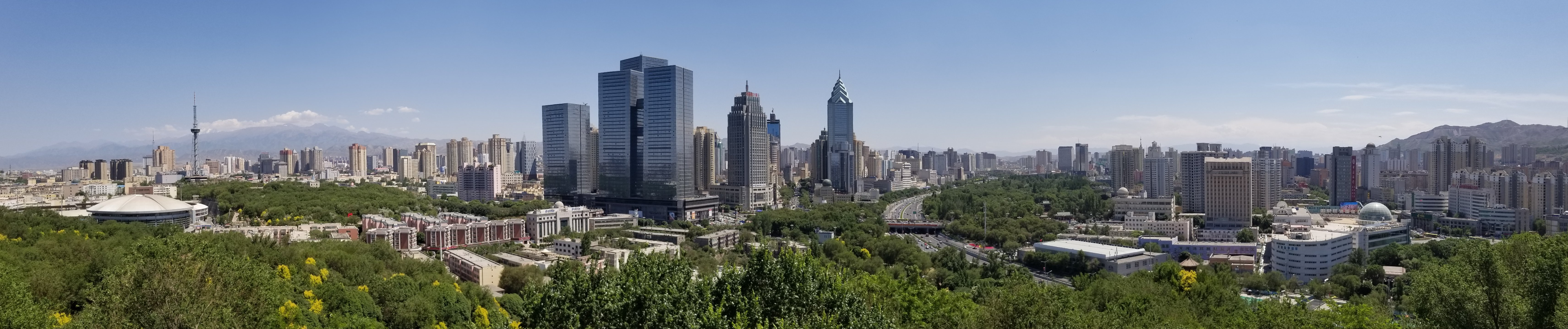
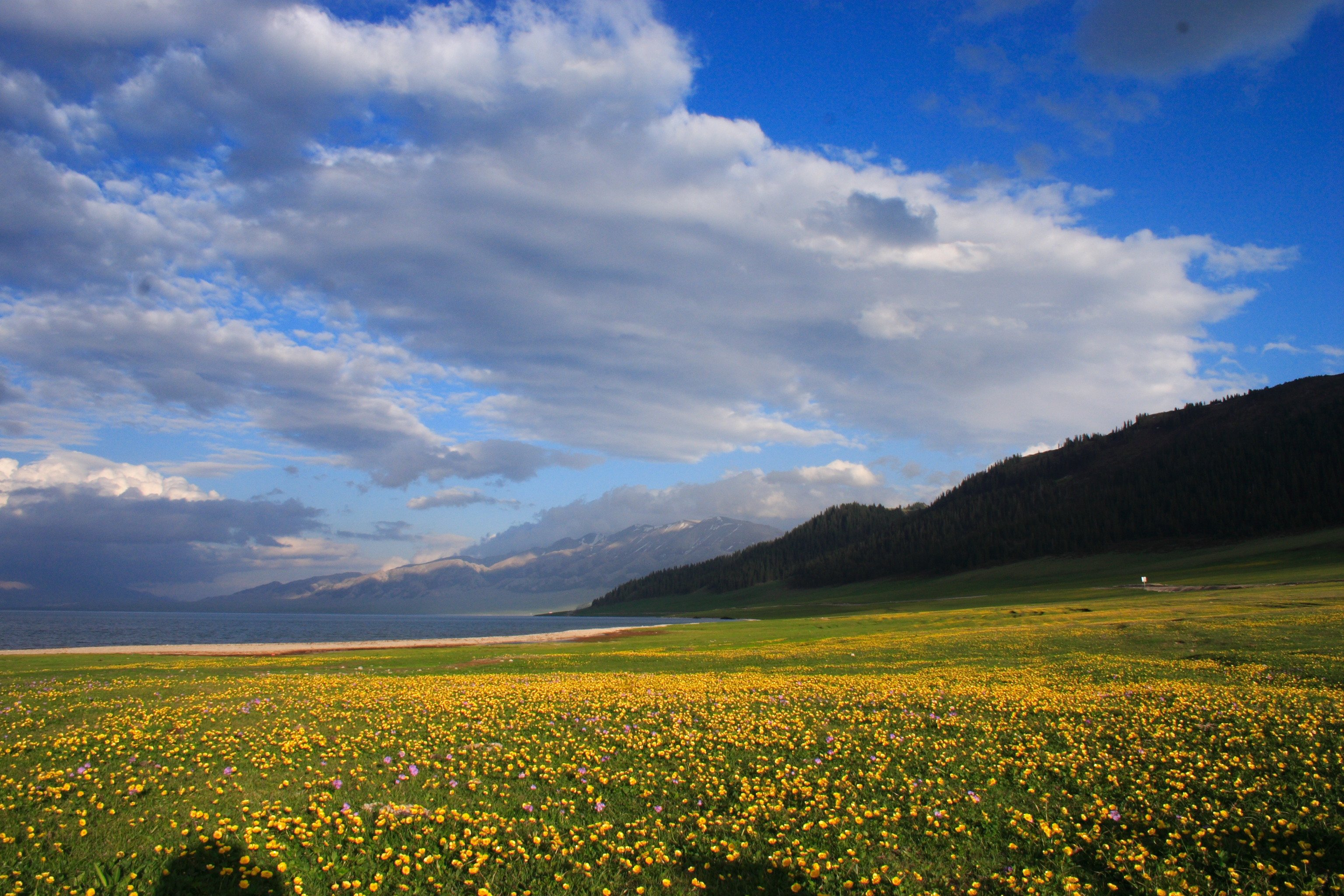
Ürümqi, the regional capital, is a large modern city and the main transport hub. Hanas Lake, in the far north near the Mongolian and Russian borders, is a mountain lake set in forests that seem transplanted from Siberia — one of the most unexpected landscapes in China.
Travel in Xinjiang requires patience with checkpoints and registration requirements, which have intensified significantly since the mid-2010s. Bring your passport everywhere and expect thorough document checks.