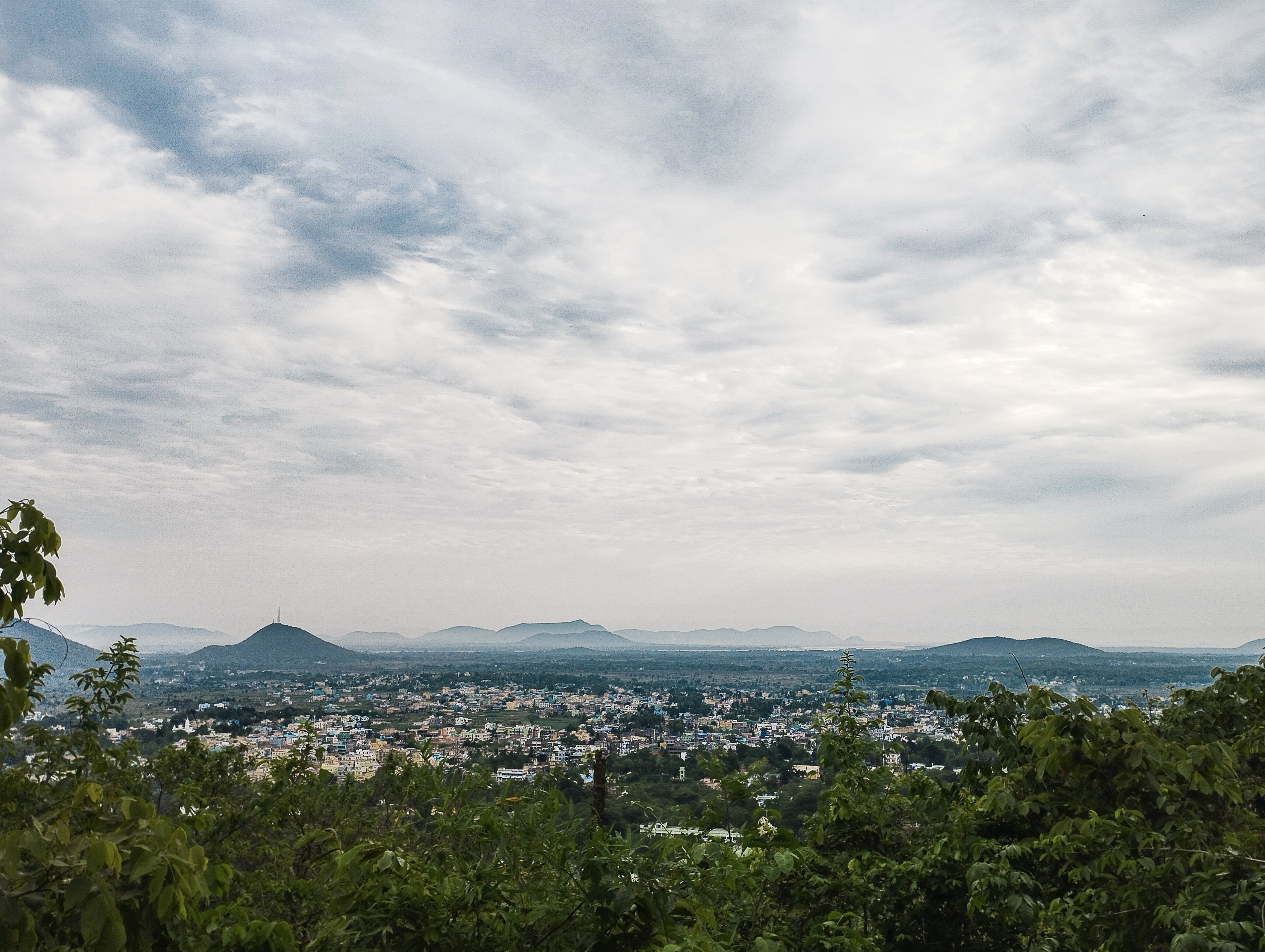
Dhenkanal
©
Dhenkanal

Dhenkanal

Central Odisha district town and former princely seat, surrounded by forested hills and temple detours.

Dhenkanal is a district town in central Odisha, once the seat of a princely state and now a quiet administrative centre surrounded by forested hills. The town itself is modest — the old Dhenkanal Palace and Hanuman Hill cover the main sights — but the district holds some of the state's most rewarding detours for travellers willing to get off the main highways.

The Kapilash Temple, dedicated to Shiva, sits atop a hill about 25 km from town, reached by a steep climb through dense sal and teak forest. The temple is an important pilgrimage site and the surrounding Kapilash Wildlife Sanctuary is home to elephants, leopards, and a rich variety of birdlife. The Satkosia Gorge on the Mahanadi River, on the south-western edge of the district, is one of Odisha's most dramatic landscapes — the river cuts through a narrow canyon flanked by steep, forested hillsides, and boat rides through the gorge are possible during the dry season. Further north, Joranda is the spiritual headquarters of the unusual nineteenth-century Mahima Dharma sect.

Dhenkanal district is also known for its dhokra metal castings, a traditional tribal craft made using the lost-wax method. The artisan village of Sadeibareni produces distinctive figurines and ornaments that make for excellent souvenirs. The town is on the rail line between Bhubaneswar and Sambalpur, and regular buses connect it to the state capital about three hours to the southeast.

Guide

Eating Out

Dhenkanal is a small town and the food is correspondingly local: Odia thalis of rice, dal, and seasonal vegetable preparations like santula and saaga, with the occasional river fish. A handful of family-run restaurants line the main bazaar near the bus stand, serving cheap thalis at lunch and dosas or rolls in the evening. The better hotels on the bypass road have multi-cuisine restaurants that lean towards Indian-Chinese and standard North Indian dishes. For sweets, look for chhena poda (Odisha's caramelised cheese baked dessert) in the bazaar.

Guide

Getting There

Dhenkanal sits on the Howrah–Chennai main railway line and the East Coast highway, making it well connected by Indian standards. Express trains from Bhubaneswar take about 90 minutes; from Howrah (Kolkata) the overnight runs put you in early morning. Dhenkanal station is in the middle of the old town.

By road, regular buses connect with Bhubaneswar (about three hours), Cuttack, and the larger towns to the north and west. The nearest airport is Biju Patnaik International in Bhubaneswar (about 80 km), with full domestic connections and a handful of international flights.

Guide

Things to Do

Dhenkanal town itself can be seen in an afternoon — the old palace, Hanuman Hill, and the riverside ghats. The reason to stay overnight is the surrounding district: the Kapilash Shiva temple on a forested hilltop, the Satkosia gorge of the Mahanadi, the lost-wax dhokra metal-casting villages, and the Joranda Mahima monastery, headquarters of the Mahima Dharma sect.

Most visitors arrive on a side trip from Bhubaneswar or Cuttack — but the place is rewarding precisely because it is overlooked. Bring transport: distances between the main sights are large and the local bus network is sparse.

Guide

When to Go

Dhenkanal follows the rest of inland Odisha: October to February is the best time to visit, with cool nights and bearable daytime temperatures. March to June is increasingly hot — well above 40°C in May — and the monsoon (July to September) brings heavy rains that make some of the forest roads (notably to Satkosia) difficult. The Kapilash temple is busiest during Maha Shivratri (February or March), when overnight pilgrim crowds line the climbing path.