Biak
©
Biak

Biak

Papuan island town in Cenderawasih Bay, with WWII caves, coral beaches, and regional flight connections.

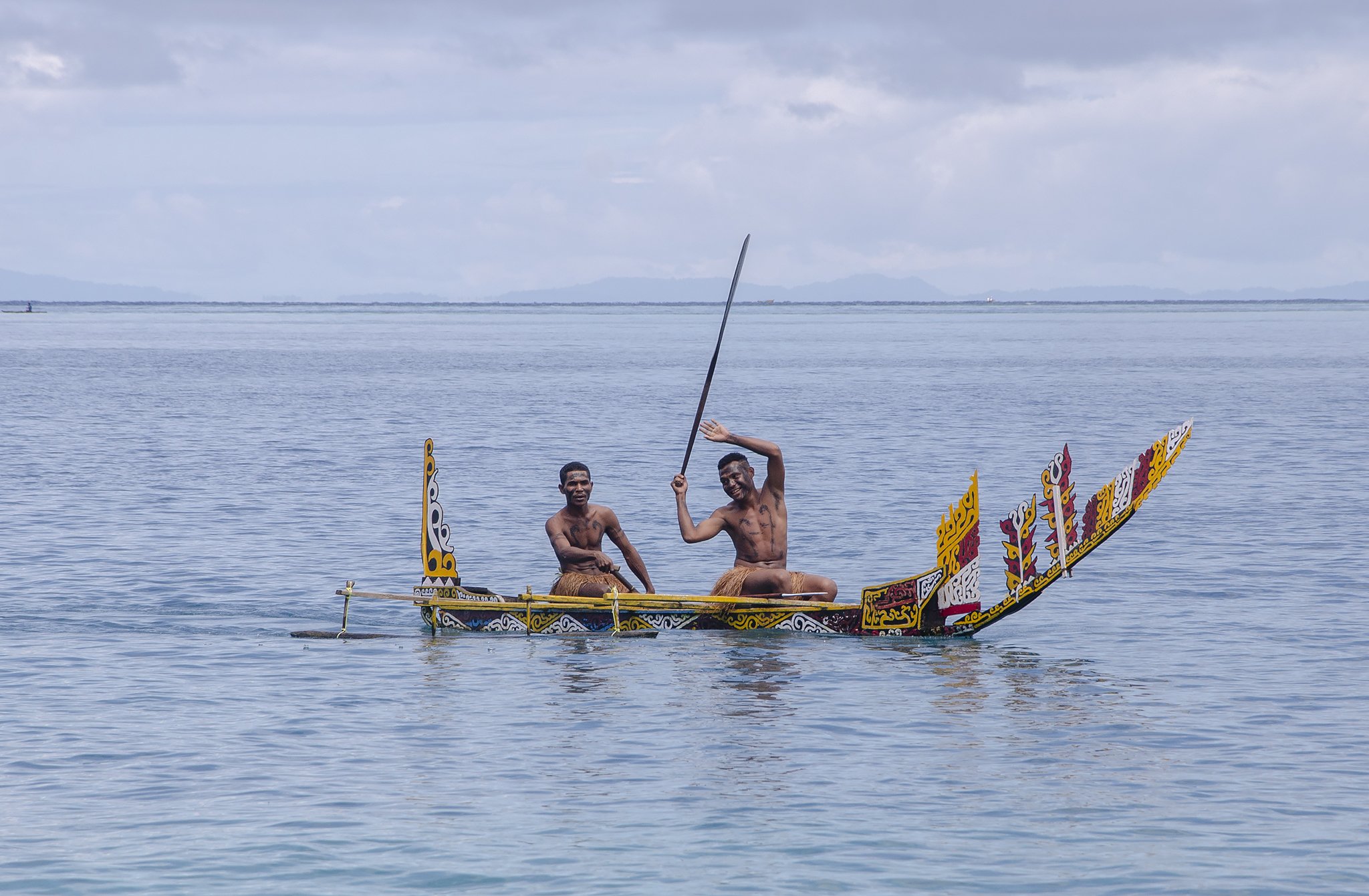
Biak is both an island and a town off the north coast of Papua, sitting in Cenderawasih Bay. The town itself is compact and not especially scenic, but Biak is one of the main transport hubs for the region, with regular flights to Jayapura and Jakarta.

The island has a rich World War II history. Japanese soldiers hid in caves that you can still visit, and the Cenderawasih Museum has a collection of wartime relics and Papuan artifacts worth an afternoon.

The best beaches are at Bosnik on the east coast, good for swimming and snorkelling, and Korem on the north coast, where you can watch young men dive for pearls. Further out, the Wapsdori Waterfalls near Wardo make a good day trip by boat. Supiori Island, just north of Biak, has a recreation forest and welcoming villages.

Guide

Getting There

Biak is served by Frans Kaisiepo Airport, which has regular connections to Jayapura (the provincial capital of Papua) and to Makassar in South Sulawesi, with less frequent connections to Jakarta. Garuda Indonesia and Lion Air operate the main routes. From Jayapura, the flight takes about an hour; from Makassar, roughly two hours. Most travellers to Biak from outside Indonesia connect through Jayapura or Makassar.

There is no overland connection to the main island of New Guinea — Biak is an island roughly 50 km off the coast. Inter-island ferries connect Biak to Manokwari and other ports in the Bird's Head region, run by PELNI (the state shipping company). These are slow but cheap and give access to parts of Papua that have no air service. Check the PELNI schedule in advance as sailings are irregular.

Guide

Things to Do

Biak is an island in Cenderawasih Bay off the northern coast of Papua, serving as the main transport hub for the Bird's Head region of western New Guinea. Travellers tend to pass through en route to the Cenderawasih Bay marine reserve or more remote parts of Papua, but Biak has its own claims on attention: superb coral reefs and diving, a significant legacy of Second World War fighting, and a landscape of limestone karst, forest, and coast that has barely been touched by tourism.

The diving here is considered among the best in eastern Indonesia, with walls dropping into the deep water of the bay, strong fish life, and several accessible wrecks from the Pacific War. The WWII history is woven into the landscape — caves used by Japanese forces, American war cemeteries, and rusting equipment still visible in the jungle.