Ardabil sits on a high plain at 1,400 metres in northwestern Iran, just east of Mount Sabalan (4,811 metres), the highest peak in Iranian Azerbaijan. The city is cold — genuinely cold in winter, and cool even in summer by Iranian standards. The surrounding landscape is open grassland and grazing country, treeless and windswept.
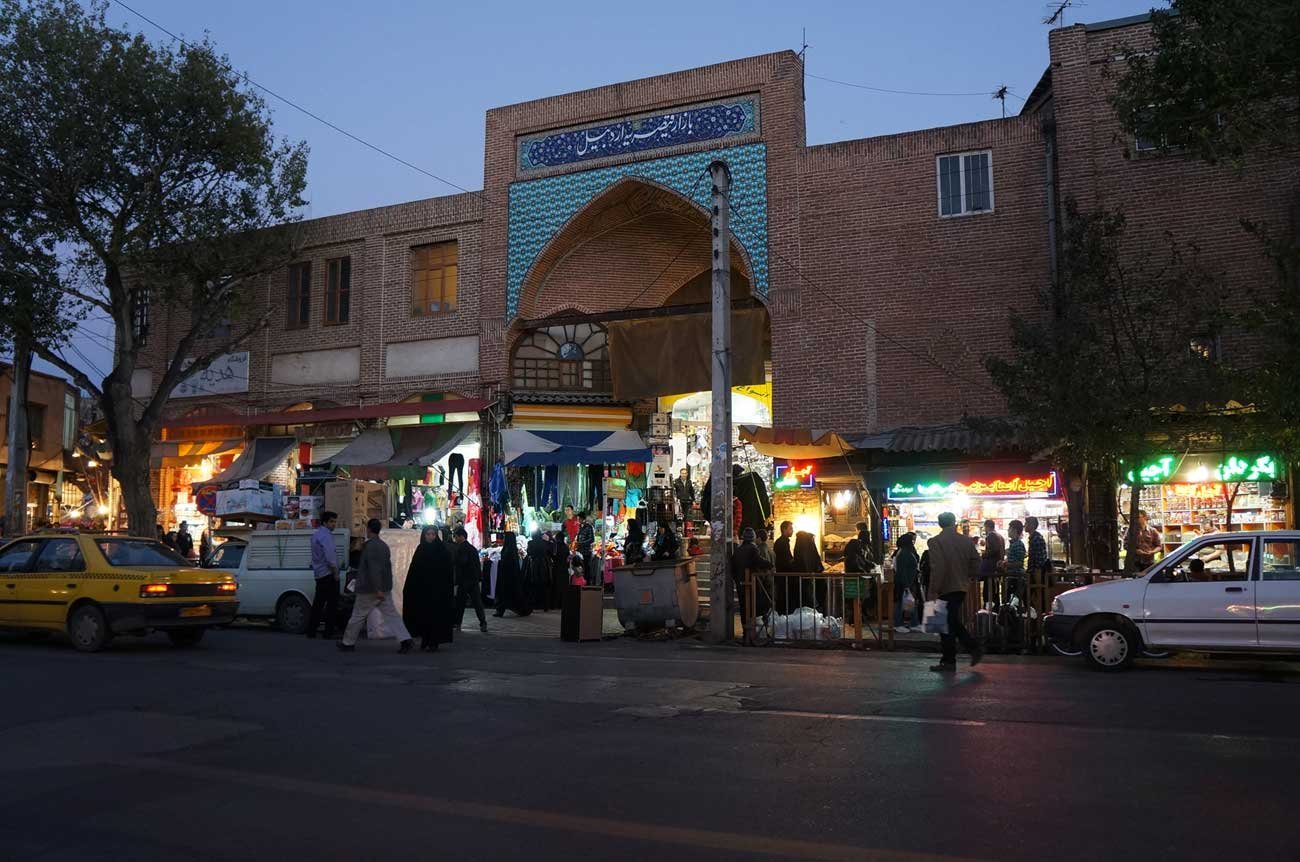
The city's historical importance comes from its role as the birthplace of the Safavid dynasty. Shah Ismail I, founder of the Safavid empire that would unite Iran and establish Shia Islam as the state religion, rose to power from Ardabil in the early 16th century. The Sheikh Safi al-Din Shrine, a UNESCO World Heritage Site, is the reason to visit. The complex is a beautifully tiled Sufi shrine and mausoleum dating from the 14th century, expanded by successive Safavid rulers. The chini-khaneh (porcelain room) is particularly striking. The older Jameh Mosque and the covered bazaar are close by.
Shorabil Lake, a shallow salt lake just south of the city, is a popular local recreation spot. Mount Sabalan, a dormant volcano with a crater lake at its summit, draws trekkers in summer — the ascent from the northeast via the Sareyn hot springs is the standard route.
Ardabil can be reached by road from Tabriz (about 4 hours) or from the Caspian coast via Astara. Day trips to Meshkin-Shahr and the Sabalan hot springs are straightforward.