Humid Gilan capital and Caspian gateway, known for rice paddies, bazaar life, and food.
Rasht is the capital of Gilan and the main inland gateway to Iran's Caspian coast. It feels nothing like the dry plateau cities most travellers associate with Iran: the air is damp, the countryside is green, rice paddies press close to the suburbs, and the food is reason enough to come.
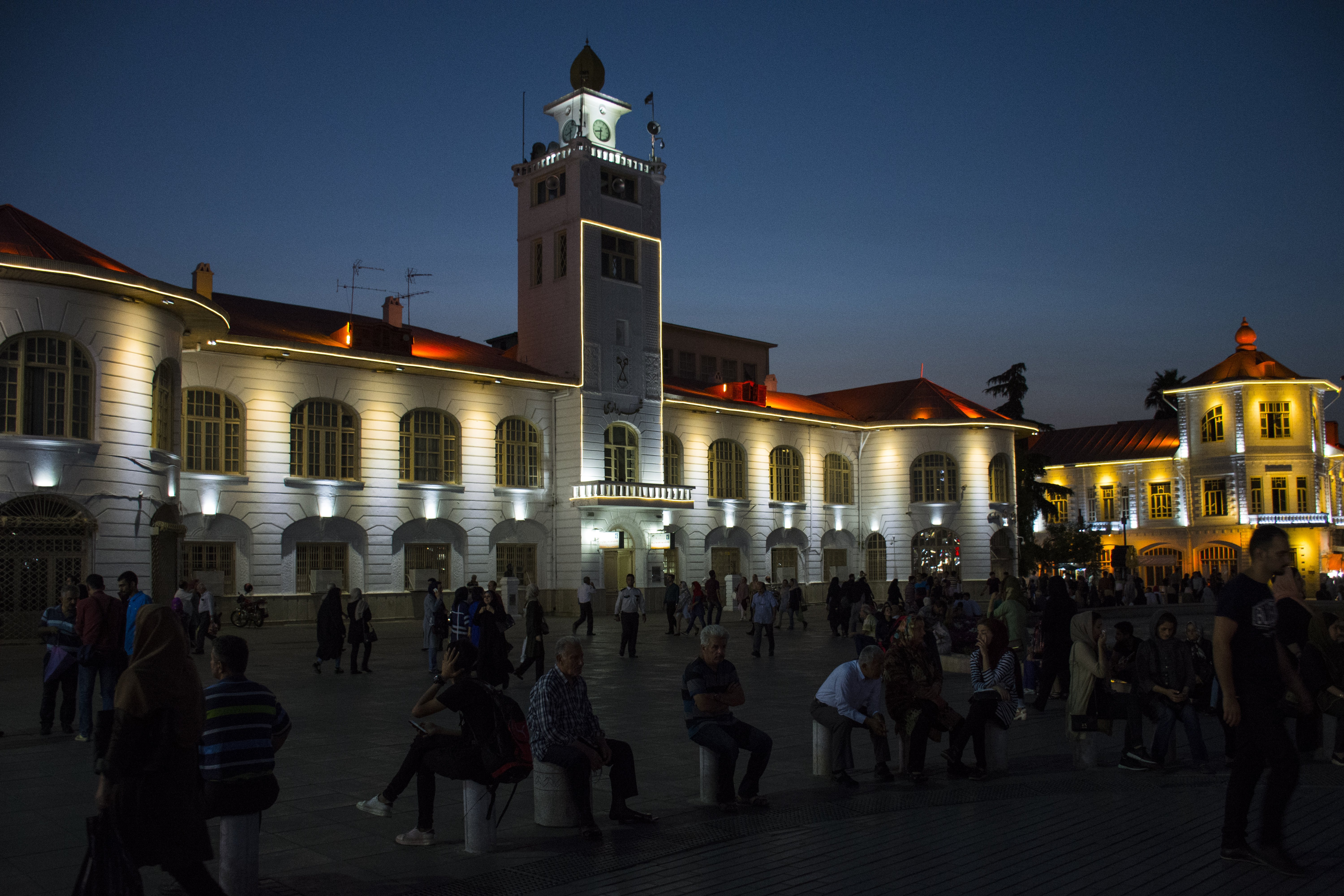
The city has long been a trading hinge between Tehran, the Caspian ports, Russia, and the Caucasus. That history is still visible around Municipality Square, where early-20th-century civic buildings give Rasht a faintly European face, and in Rasht Bazaar, a working market famous for fish, olives, herbs, pickles, and the loud confidence of Gilaki commerce.
Rasht is not a city of grand monuments. Its appeal is more local and sensory: rain on plane trees, lunch tables crowded with mirza ghasemi and sour stews, and side trips into the forests and wetlands of Gilan. The Gilan Rural Heritage Museum south of town is the best single place to understand the province's wooden houses and village life, while Eynak Lagoon shows how close the city still sits to water and reeds.
Use Rasht as a base for Bandar-e Anzali, Masuleh, Lahijan, and the Caspian foothills. It is practical, rainy, appetising, and more lived-in than polished - which is exactly its charm.
Guide
Eating Out
Rasht is one of Iran's great food cities. The local table is built around rice, fish, walnuts, garlic, herbs, pomegranate, smoked eggplant, and sour flavours that are sharper than most central Iranian cooking. This is the place to try mirza ghasemi (smoked eggplant, tomato, garlic, and egg), baghali ghatogh (beans with dill and egg), torsh-e tareh, and pickled olives.
The bazaar area is best for grazing: fresh bread, olives, pickles, smoked fish, and simple local eateries where the menu may be short but the cooking is direct. For a proper meal, ask locally for a Gilaki restaurant rather than settling for generic kebabs. Rasht rewards appetite more than itinerary discipline.
Guide
Getting There
Rasht is the transport hub for Gilan. Buses and shared taxis run frequently from Tehran via Qazvin and the Alborz crossing; in normal conditions the road trip takes about 5 to 6 hours, but weekend and holiday traffic toward the Caspian can stretch that considerably.
Rasht railway station, south of the city, is on the Qazvin-Rasht line and gives a slower but comfortable alternative from Tehran when services line up with your schedule. Sardar-e Jangal Airport has domestic flights, though most international travellers still arrive through Tehran and continue overland.
For Bandar-e Anzali, shared taxis and minibuses leave throughout the day. Masuleh, Fuman, Lahijan, and other Gilan towns are also easiest to reach by road from Rasht.
Guide
When to Go
Rasht is one of Iran's wettest cities, and that is not a footnote - it shapes the place. Spring and autumn are the most comfortable seasons, with green countryside, milder temperatures, and fewer of the hot, humid days that can make summer heavy.
Summer is lively because Iranian families head north for the Caspian, but expect humidity and crowded roads. Winter is cool, grey, and rainy rather than harsh. Bring a rain jacket almost any time of year; locals do not call this a rainy city for nothing.