Niigata is the largest city on the Sea of Japan coast of Honshu, about two hours by Shinkansen from Tokyo. For most foreign visitors it is a stopover rather than a destination — the port where the ferries leave for Sado Island, or the gateway to the ski resorts of the Echigo-Yuzawa area. But Niigata prefecture is one of the most distinctive corners of Japan, and worth more time than it usually gets.
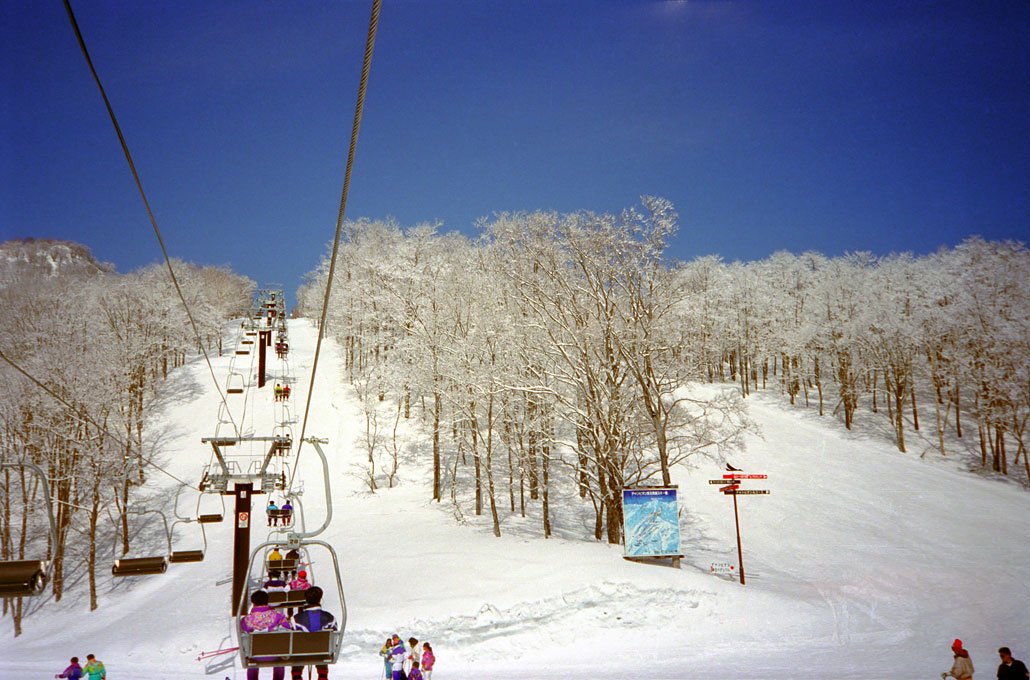
This is snow country — the Niigata side of the Japanese Alps gets some of the heaviest snowfall of any inhabited region in the world, and the hot-spring villages buried in snow drifts along the Echigo line are the same ones that appear in Yasunari Kawabata's 1948 novel Snow Country. The ski resorts here are among the best in Japan for powder (Myoko, Naeba, Gala-Yuzawa, Kagura), and the hot-spring towns along the Shinkansen line — Echigo-Yuzawa, Naeba, Tsunan — are popular winter weekend escapes from Tokyo. The snow also shaped Niigata's most famous food culture: this is Japan's main rice-growing region, producing Koshihikari, widely regarded as the finest short-grain sushi rice in the country, and hundreds of small sake breweries using that rice and the pure mountain snowmelt water. Niigata sake is generally considered among the very best in Japan.
The city of Niigata itself is a pleasant, lived-in place, and mostly gets overlooked. The Ponshu-kan sake-tasting bar inside Niigata station has vending machines dispensing 100-yen samples from every sake brewery in the prefecture — nearly a hundred options. The old Hakusan Park has a small shrine and a Meiji-era white wooden former government building. Walk along the Shinano River, Japan's longest, which flows through the city centre — the Bandai Bridge is the most handsome crossing, a 1929 steel arc that is now a designated cultural property. The Ryutopia Performing Arts Center on the riverbank has one of Japan's finest dedicated Noh stages.
Sado Island, an hour and a half by jetfoil from Niigata port, is where things get more interesting. Once an exile for political dissidents and a gold mine under the Tokugawa shoguns, Sado is now a quiet, beautiful island of rural villages, beaches, and some of Japan's oldest folk traditions — including the Kodo drumming group, which holds its Earth Celebration festival here every August. In autumn, the coastal park at Uwasekigata hosts Wara Art — enormous animals sculpted from leftover rice straw, one of the most surprising sights in the region. And further south, the Niigata countryside has rice terraces, small temples, and hot springs that few foreign travellers ever see.