Penang — Pulau Pinang in Malay — is a 280 km² island off the north-west coast of Peninsular Malaysia, joined to the mainland by the 14-kilometre Penang Bridge and the even longer second bridge at Batu Kawan. It was the first British foothold in Malaya, founded by Captain Francis Light in 1786 as a trading post of the East India Company, and the legacy of that history — British, Chinese, Indian, Malay, Peranakan, Siamese, all layered on the same small island — has made Penang the most culturally diverse place in Malaysia. It is also, by almost universal consensus, the best place in the country to eat.
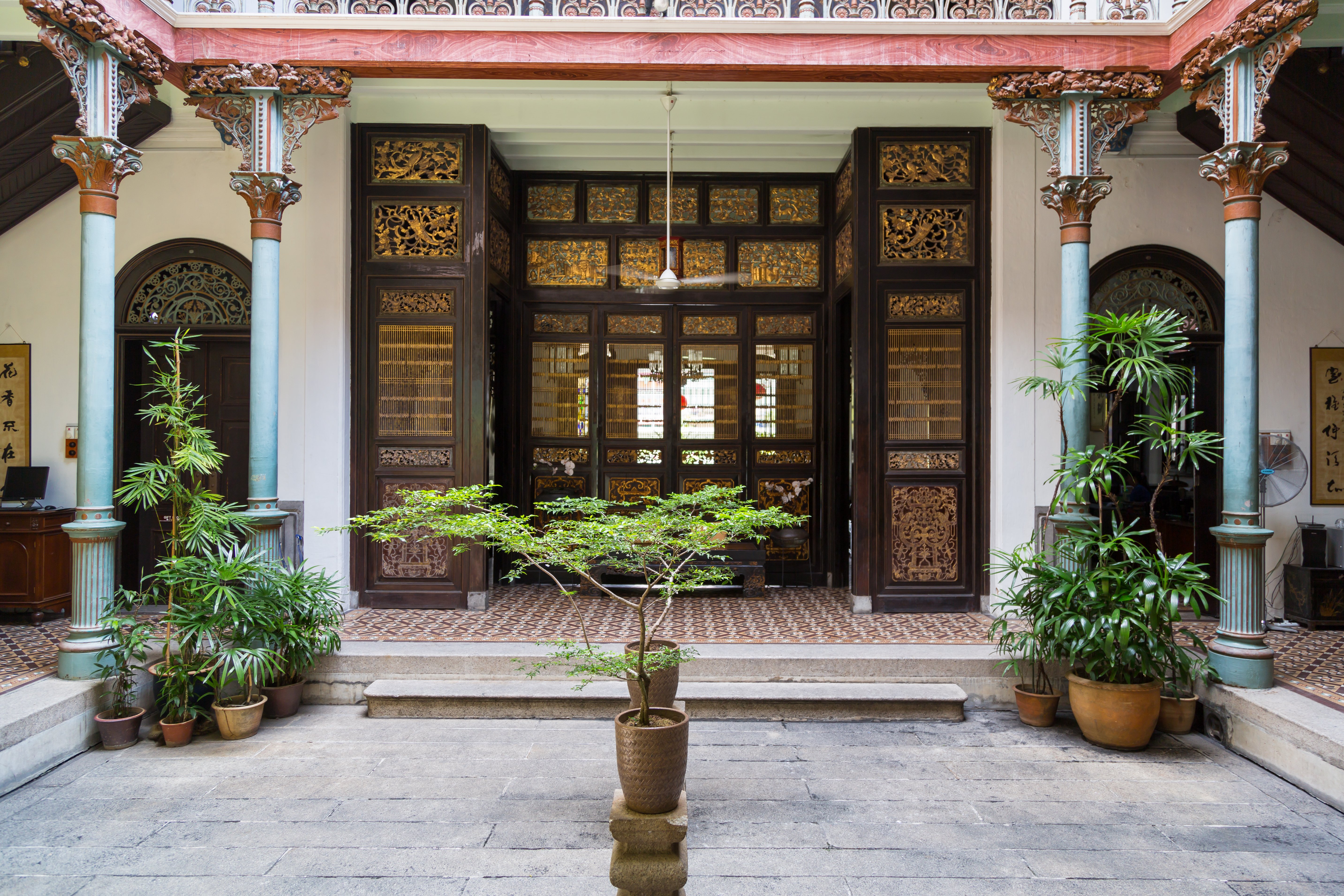
The capital, George Town, is a UNESCO World Heritage Site — a compact old colonial grid of shophouses, clan jetties, Anglican churches, Chinese temples, Indian mosques and Peranakan mansions, all lived in and still functioning. It is the main reason most visitors come. A slow day's walk around George Town takes you past Fort Cornwallis (the original British settlement), the colonial-era City Hall and Town Hall, the Cheong Fatt Tze "Blue Mansion" (a restored 19th-century Peranakan tycoon's house open to visitors), Khoo Kongsi (the finest Chinese clan hall in Southeast Asia), Pinang Peranakan Mansion, and the famous street art — painted murals and wrought-iron caricature signs installed around the old town in 2012 that have become one of George Town's signature attractions. The clan jetties, a series of stilt villages on the waterfront each belonging to a different Chinese clan, give a glimpse of how immigrant communities organised themselves by surname and trade.
Beyond George Town, the island holds its own surprises. Batu Ferringhi on the north coast is the main beach resort strip — not the finest beaches in Malaysia, but acceptable for a few lazy days. Penang Hill, reached by one of the oldest funicular railways in Asia (opened 1923), is 833 metres high and noticeably cooler than the sweltering city below, with colonial-era bungalows and a panoramic view. The Kek Lok Si Temple, the largest Buddhist temple in Malaysia, sits on another hilltop at Air Itam. And the Tropical Spice Garden and Penang National Park on the north-western tip give a taste of the jungle-covered interior.
The real glory of Penang, however, is the food. This is where the char kway teow, asam laksa, nasi kandar, and nyonya cooking of Malaysia all reach their highest form, served from hawker stalls at prices that feel almost indecent. Eat cheaply and frequently; the best meals on the island will cost you less than a coffee in Kuala Lumpur.