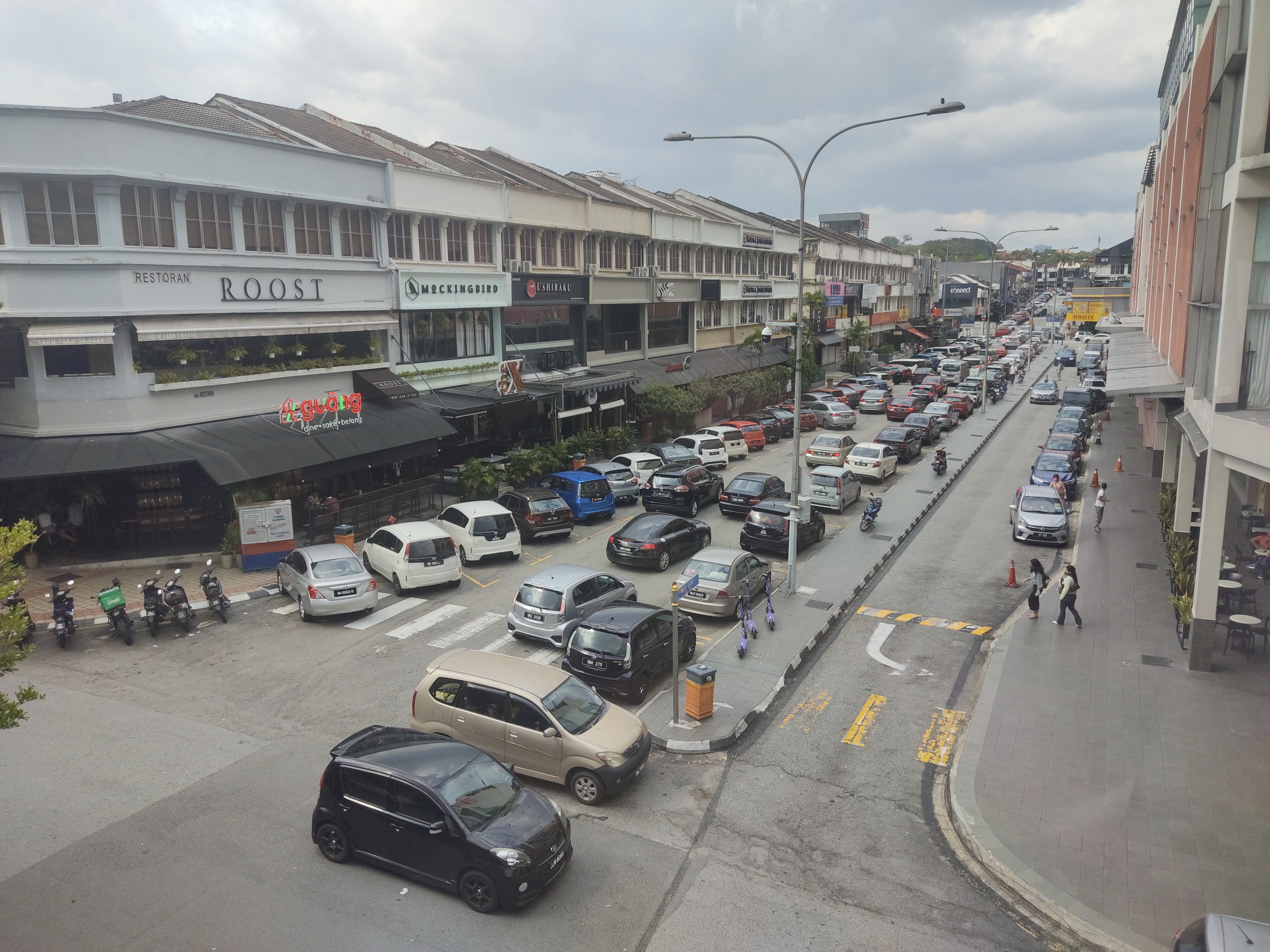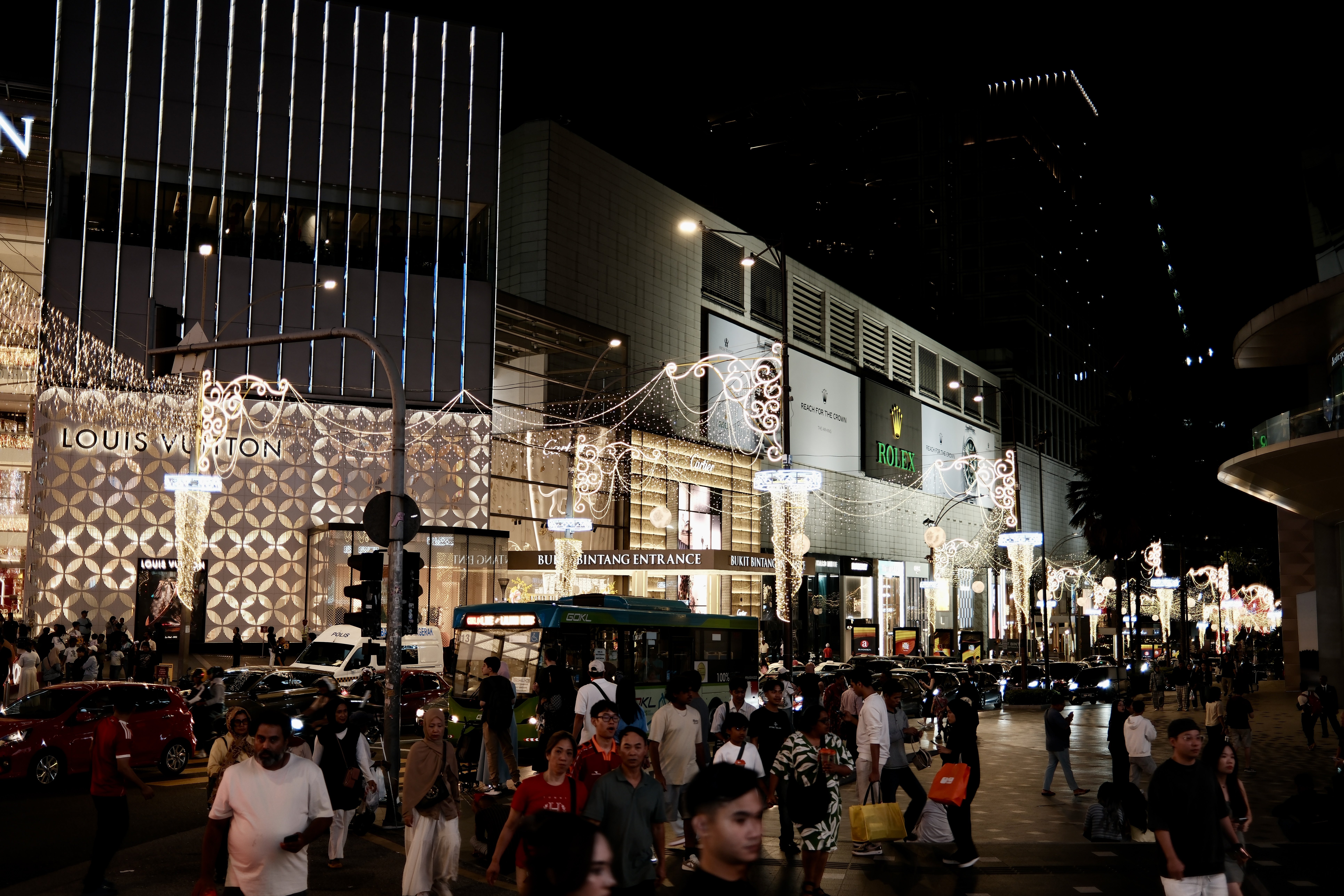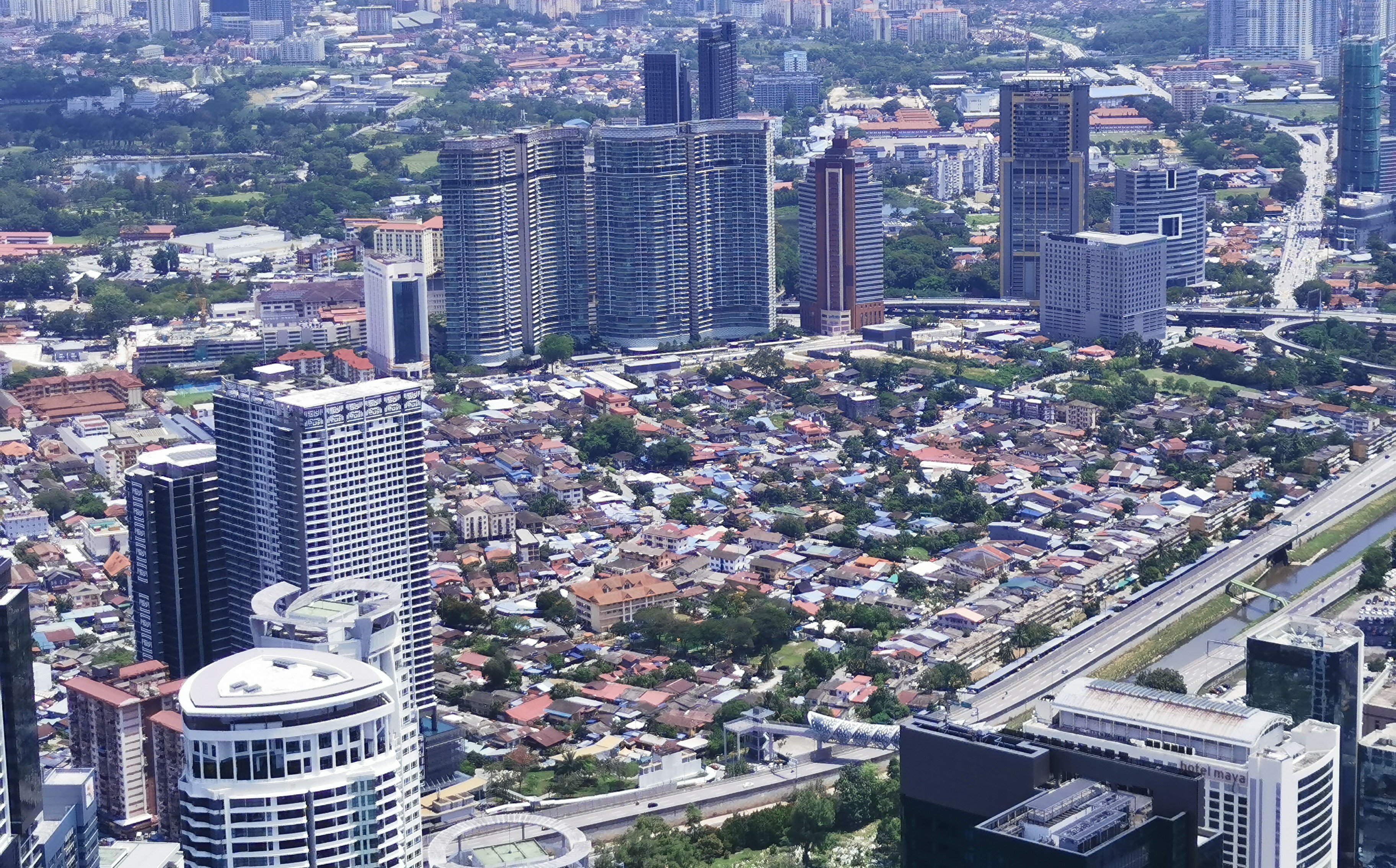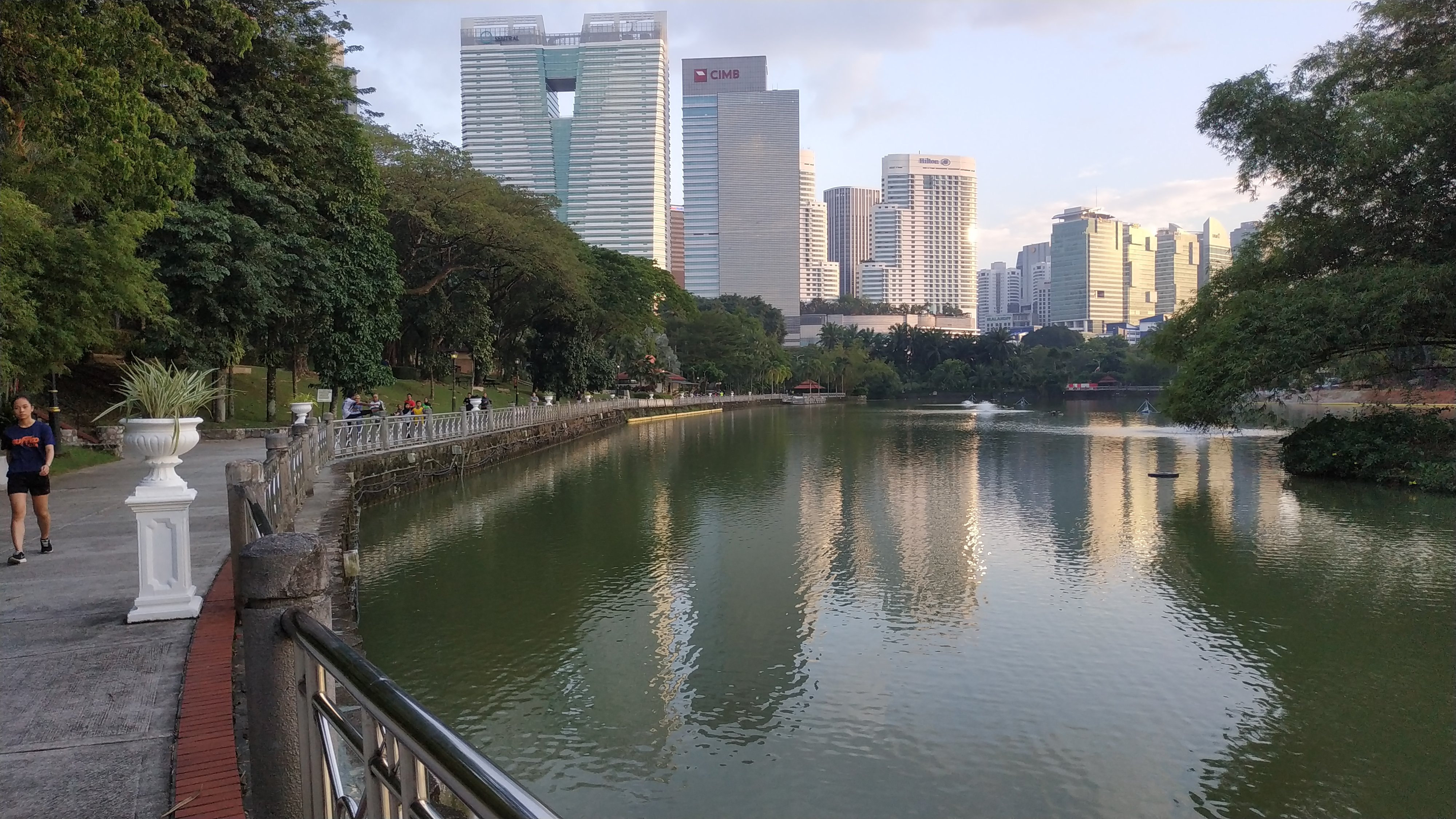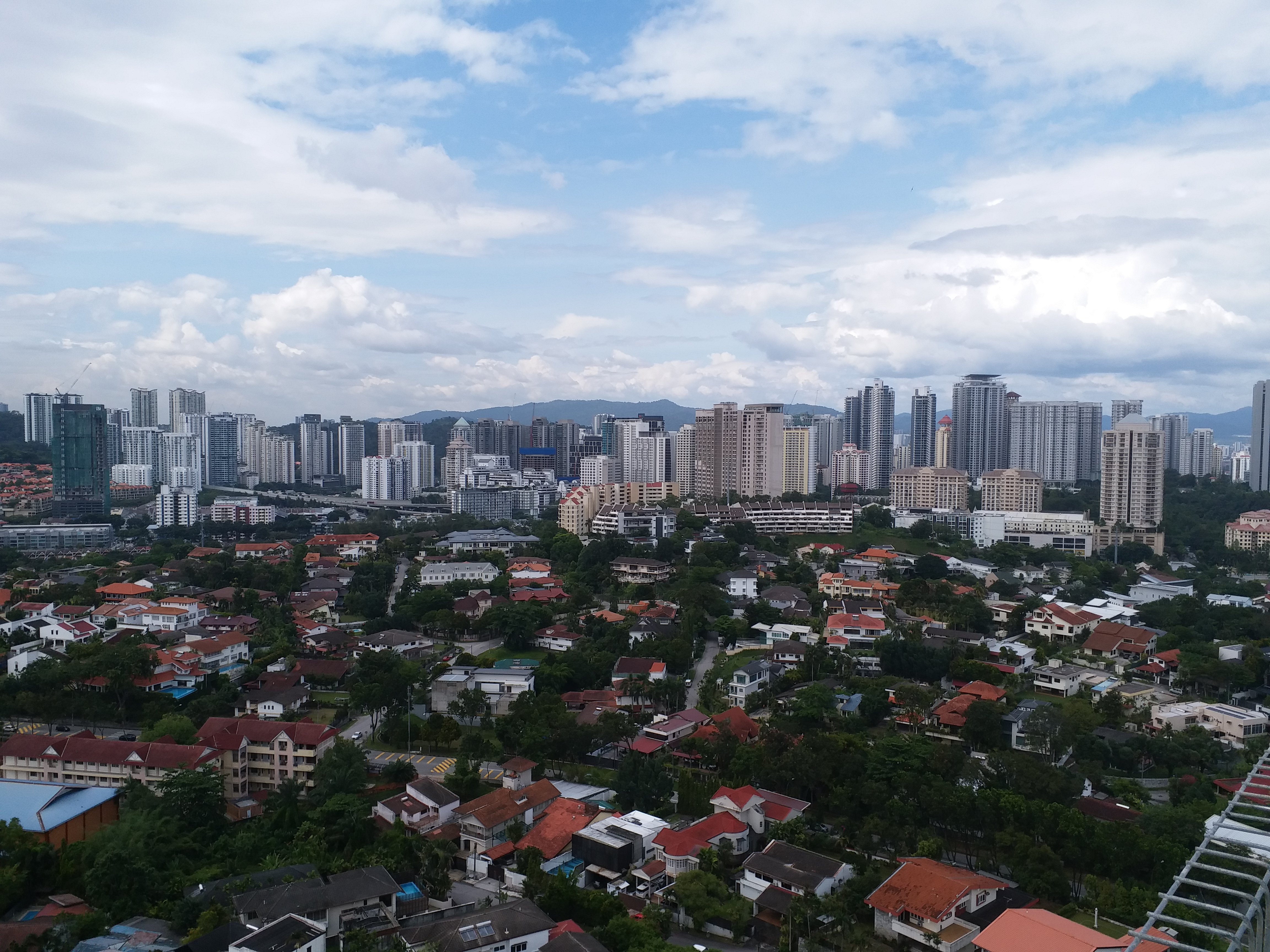
Kuala Lumpur — KL — is the capital of Malaysia and one of Southeast Asia's most underrated cities. It began as a muddy tin-mining camp at the confluence of the Klang and Gombak rivers in the 1850s (the name means "muddy confluence"), and grew into a colonial administrative centre under the British, and then, after independence in 1957, into the rapidly modernising city you see today. KL is visibly a city of layers: Islamic, Chinese, and Indian communities side by side, colonial mock-Tudor next to glass-skinned skyscrapers, rainforest parks still clinging to the edges of downtown.
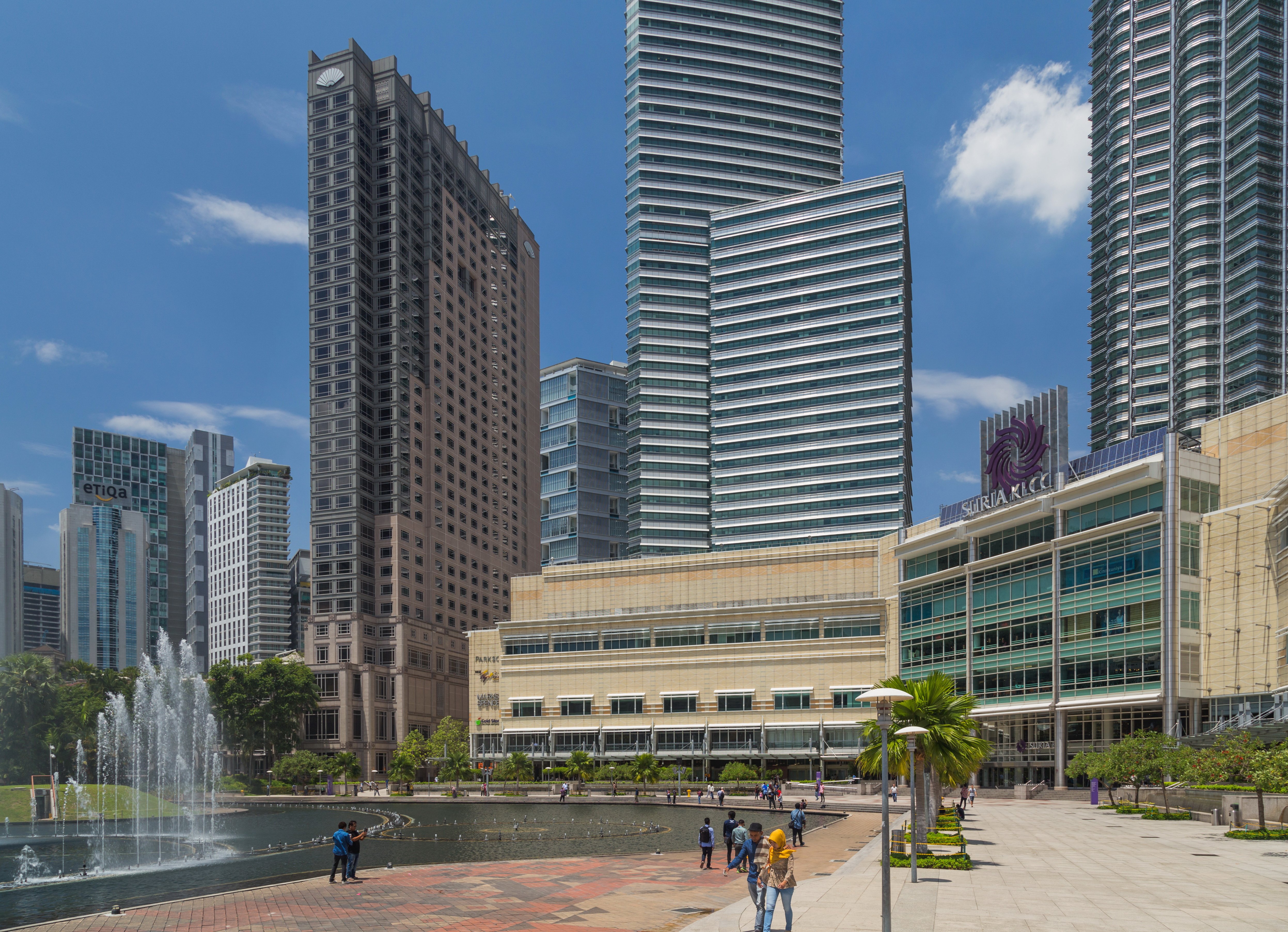
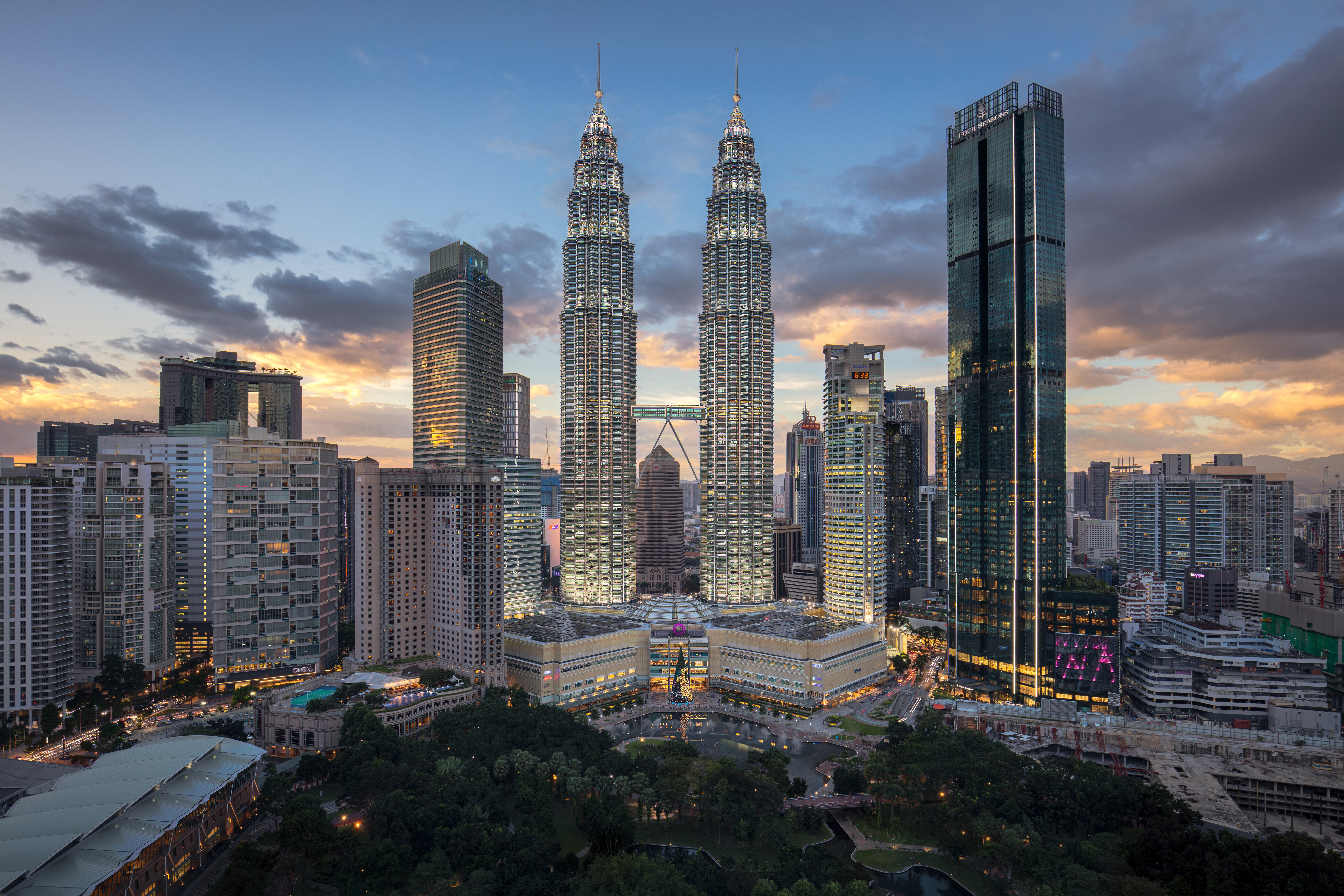
The Petronas Twin Towers, 452m of twin stainless-steel pinnacles joined by a Skybridge on the 41st and 42nd floors, were the world's tallest buildings from 1998 to 2003 and remain the city's defining image. Book timed tickets online to go up. At the base, KLCC Park is an excellent green space with a daily water fountain show at dusk. The KL Tower on Bukit Nanas hill offers a higher (but less iconic) viewpoint and sits inside the KL Forest Eco Park — a rainforest reserve that is itself worth a short walk.
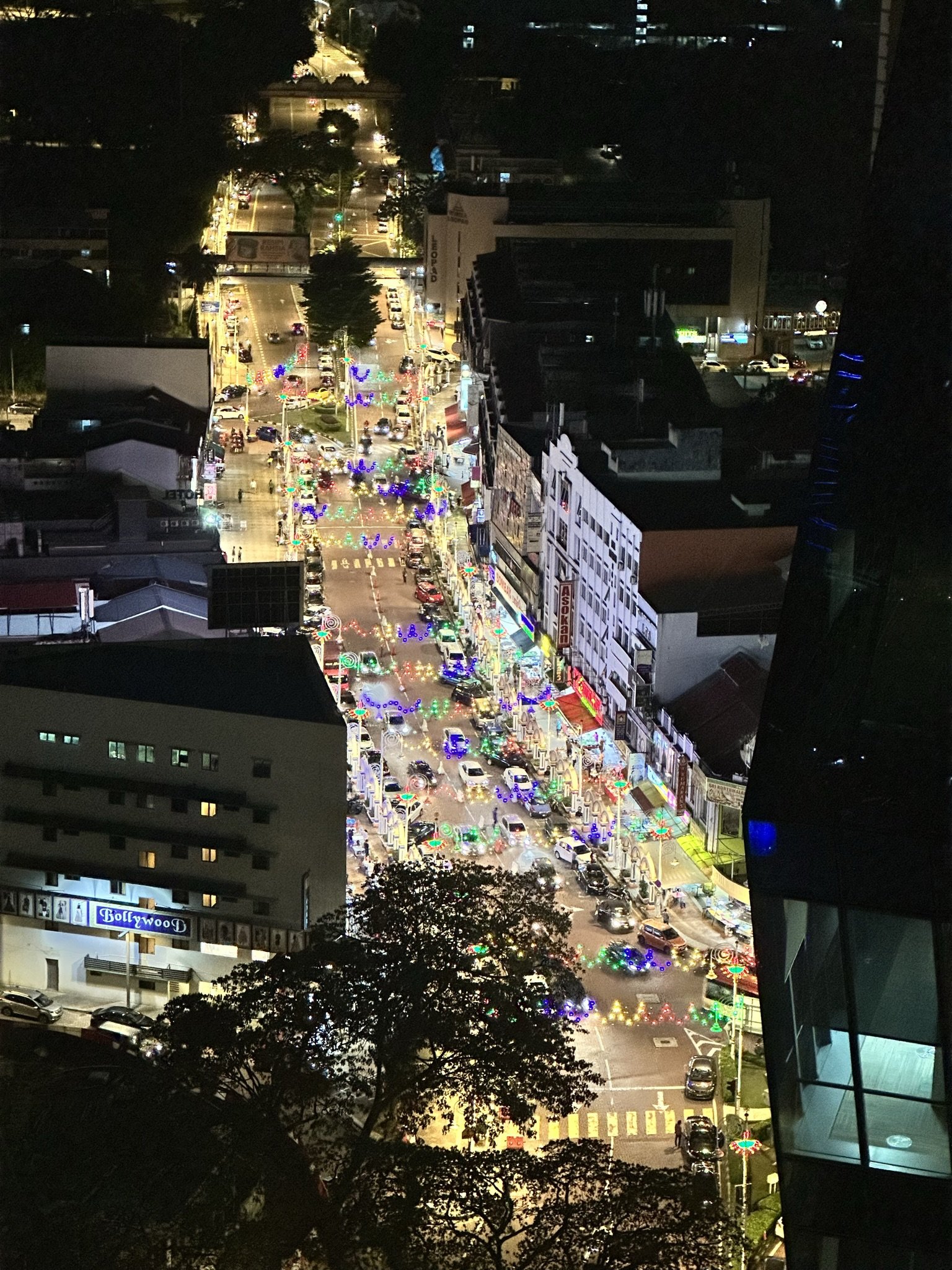
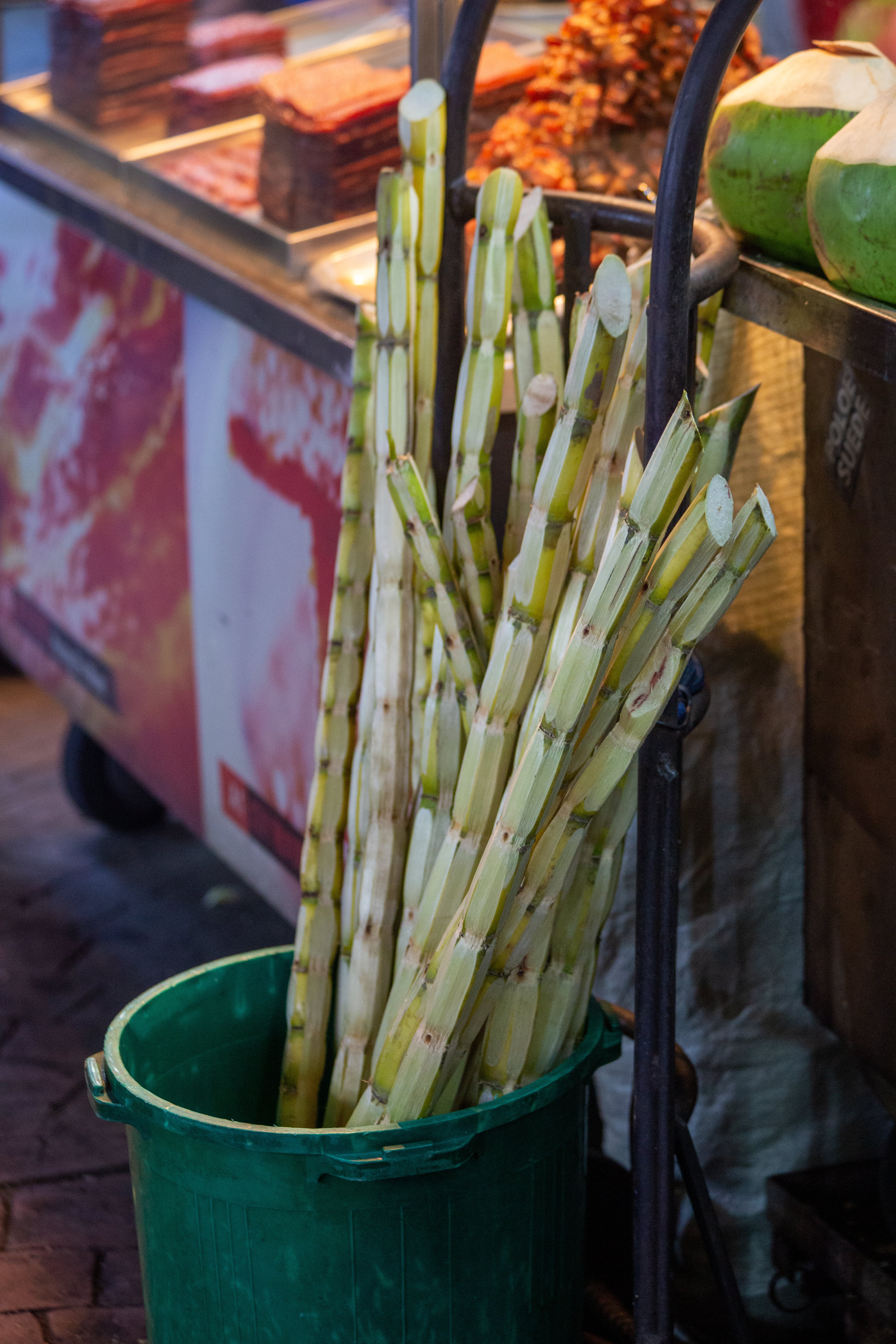
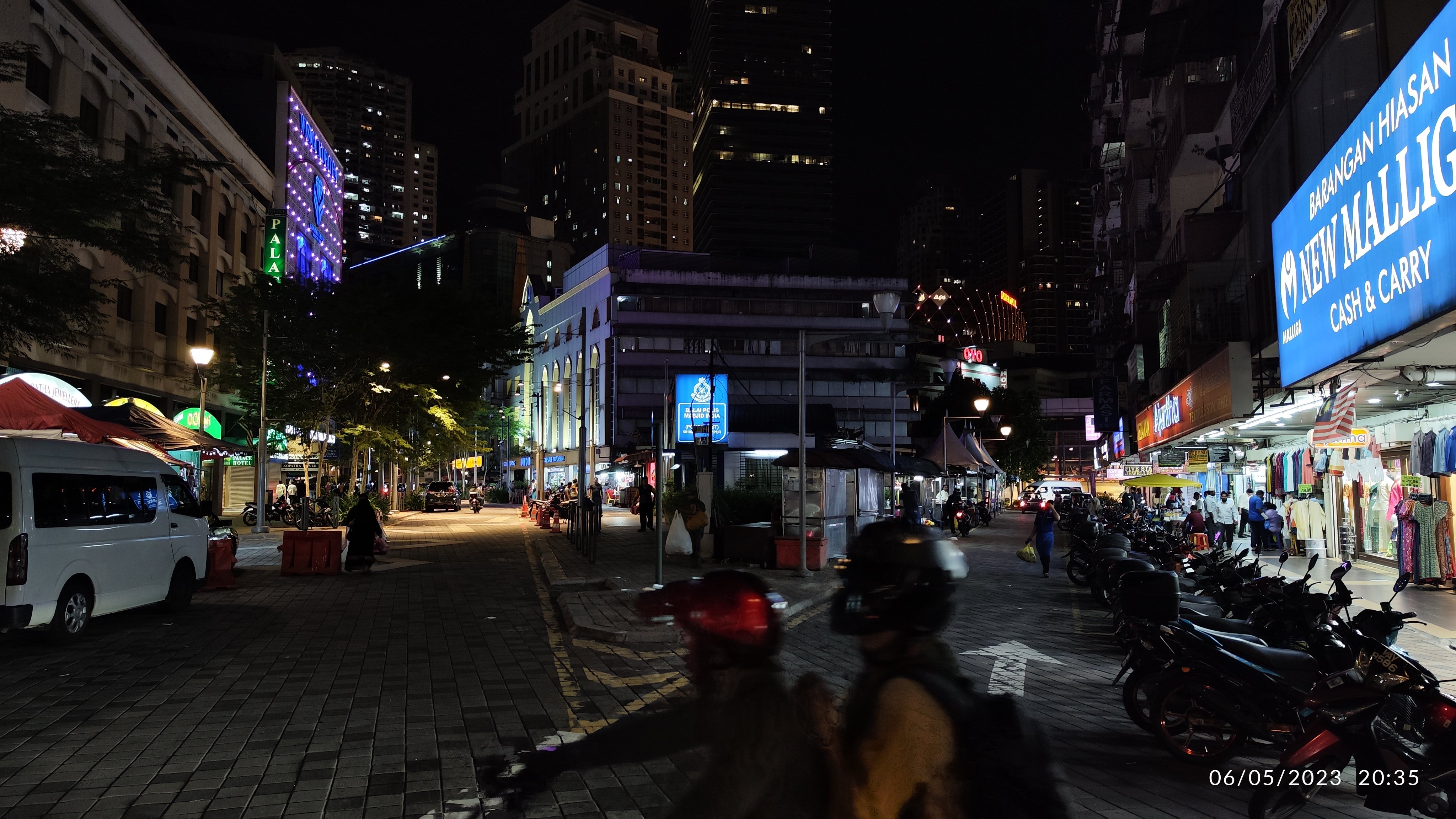
Chinatown around Petaling Street, Little India in Brickfields, and the Kampung Baru Malay quarter are the three neighbourhoods that give KL its character. Street food is where you should eat: hawker centres like Jalan Alor after dark for Chinese-Malay classics, the Indian banana-leaf restaurants of Brickfields, and nasi lemak (coconut rice with anchovies, peanuts, egg, and chilli paste) at any Malay stall in the morning.
The colonial core around Merdeka Square preserves the cricket pitch of the Royal Selangor Club, the Moorish-revival Sultan Abdul Samad Building, and the old Railway Station — all built by British architects who gave them the flourishes of Islamic architecture. The nearby Jamek Mosque and Masjid Negara (National Mosque) are both open to respectfully dressed non-Muslim visitors. The unmissable Islamic Arts Museum sits on the edge of the Lake Gardens, within walking distance of both mosques.
For a half-day out of town, the Batu Caves (a Hindu shrine inside a limestone cavern, reached by 272 steep steps painted in rainbow colours) are a striking trip 13 km north of the centre. The old hill station of Fraser's Hill and the Genting Highlands cooling resorts are both two hours away.
KL has a tropical climate with rain most afternoons — short, heavy downpours that don't much interrupt the day. Temperatures are consistently 30°C year-round, so there is no bad month; February to April are the driest.