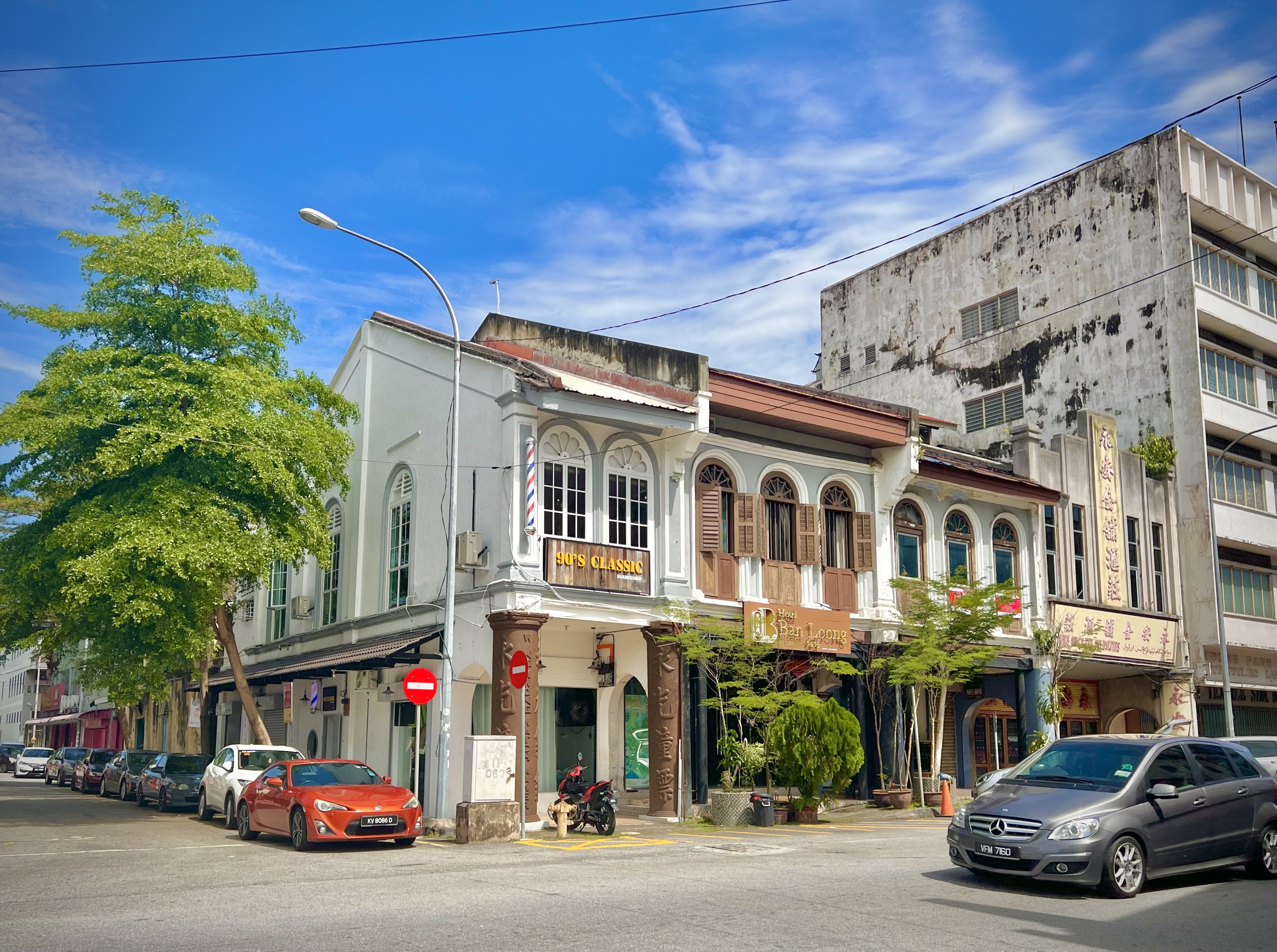
Ipoh is the capital of Perak state, halfway between Kuala Lumpur and Penang on the main highway north. For most of the twentieth century it was one of the richest cities in Southeast Asia, built on the Kinta Valley's enormous tin deposits; locals still sometimes call it the City of Millionaires, and the grand colonial facades of the Old Town date from the period when Ipoh's tin barons were the wealthiest Chinese outside China. When the tin price collapsed in 1985 the boom ended, and Ipoh slid into a long, genteel sleep — which turns out to have been a blessing, because the old town has been preserved almost intact. To see how the tin barons actually lived (and gambled, and smoked), the restored Hakka miners' clubhouse at Han Chin Pet Soo is the single best museum in town.
The city sits in a flat basin ringed by dramatic limestone karst cliffs, the same formation that produces the much more famous karsts at Guilin and Krabi. Riddling those cliffs are dozens of cave temples — the best known are Sam Poh Tong, Kek Lok Tong and Perak Tong, each with vast statues of the Buddha set inside natural caverns and reached by steep flights of steps that end in panoramic views over the valley. A short drive south, Kellie's Castle — an unfinished Scots-Hindu mansion begun in 1915 by an eccentric Scottish planter — is the other classic excursion; on the eastern edge of town, Lost World of Tambun combines hot springs and a water park beneath the karsts.
But most people come to Ipoh for one reason, and that is to eat. It is widely considered to have some of the best Chinese food in Malaysia — locals insist it is because of the hard limestone water, which gives the bean sprouts their plumpness and the kway teow its slippery texture. The signature dishes are Ipoh bean-sprout chicken (nga choi kai, at places like Lou Wong), kai si hor fun (silky rice noodles in chicken-and-prawn broth), salt-baked chicken, curry mee, and Ipoh's famous white coffee, a local style where the beans are roasted with palm-oil margarine and served with condensed milk — try it at Nam Heong. A single long afternoon in Old Town, drifting from one battered kopitiam to the next, past Concubine Lane and the Mural Art's Lane, is the best introduction the city has to offer.