Malaysia is one of Southeast Asia's most rewarding destinations -- a country where Malay, Chinese, Indian and indigenous cultures have blended into something distinct and endlessly interesting. The food alone is worth the trip, and the natural landscapes range from ancient rainforest to coral-fringed islands to cool highland tea plantations.
The country is split into two halves. Peninsular Malaysia hangs off the southern tip of the Asian mainland, connected to Thailand in the north and linked to Singapore by a causeway in the south. Across the South China Sea, the states of Sabah and Sarawak occupy the northern third of Borneo, sharing that vast island with Indonesia and tiny Brunei.
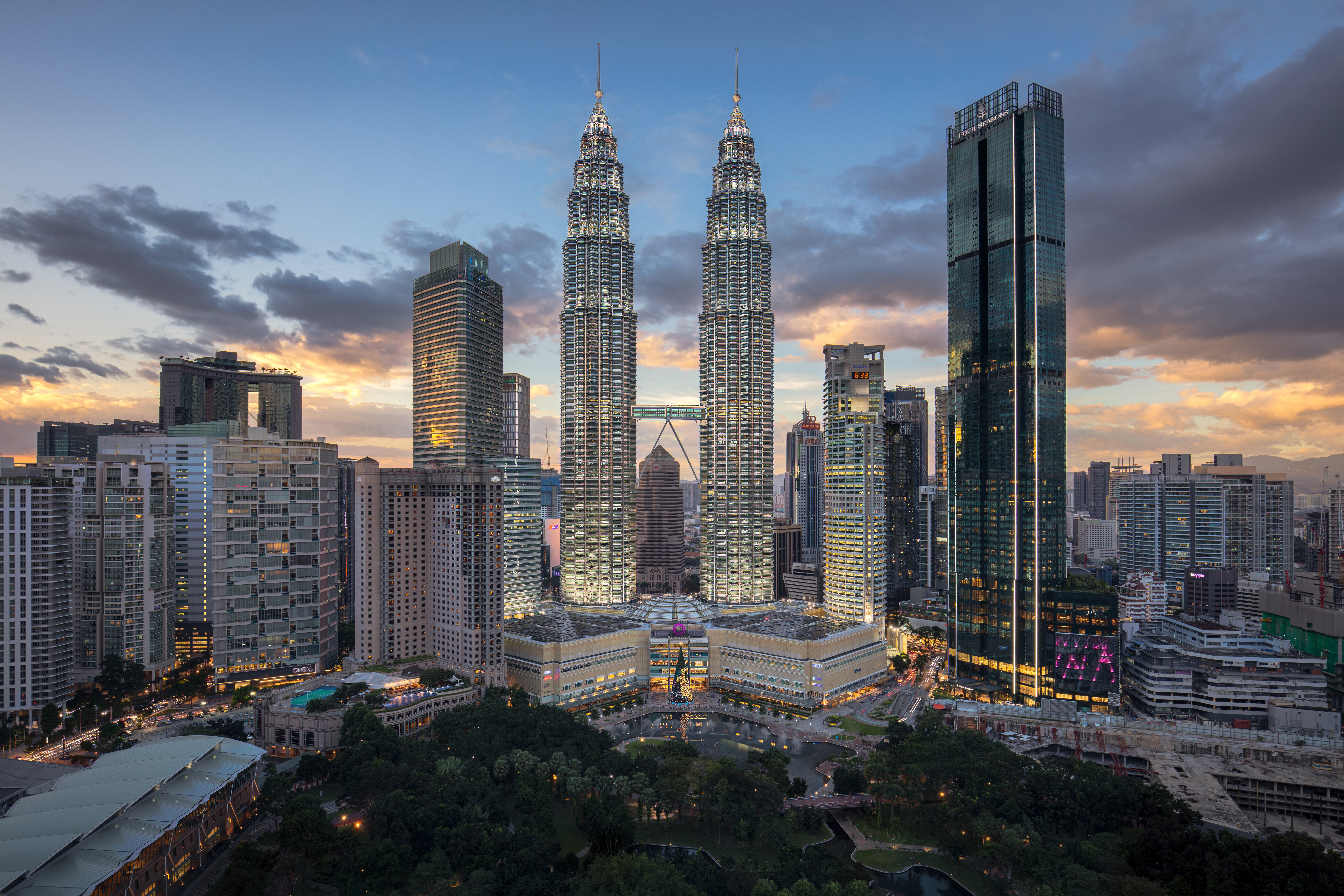
Most visitors start in Kuala Lumpur, the capital, where the Petronas Twin Towers and the newer Merdeka 118 dominate a skyline that still has pockets of colonial charm and street-level chaos. KL is a fantastic eating city -- you can get a world-class meal from a hawker stall for a couple of ringgit, then drink craft cocktails in a rooftop bar the same evening.
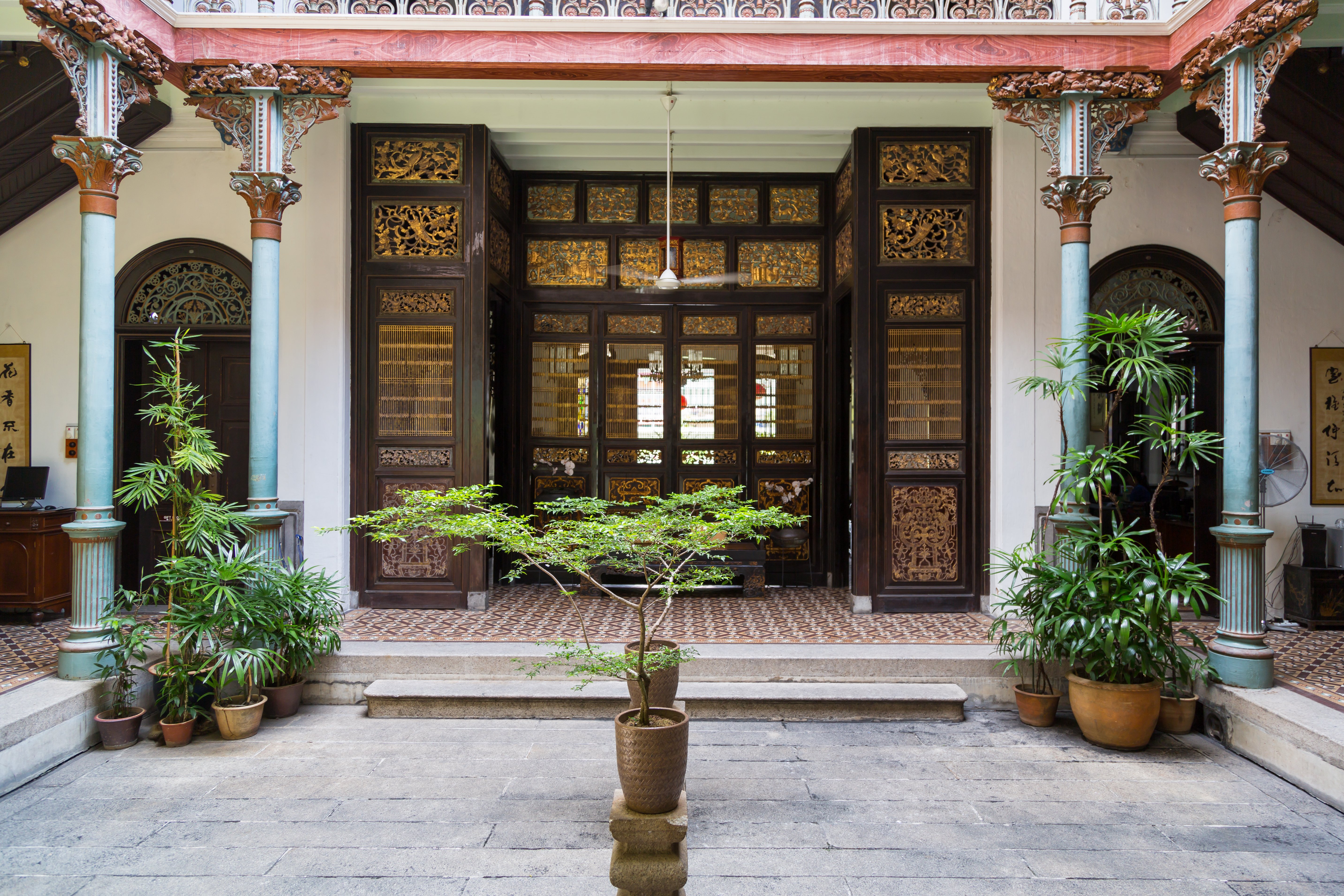
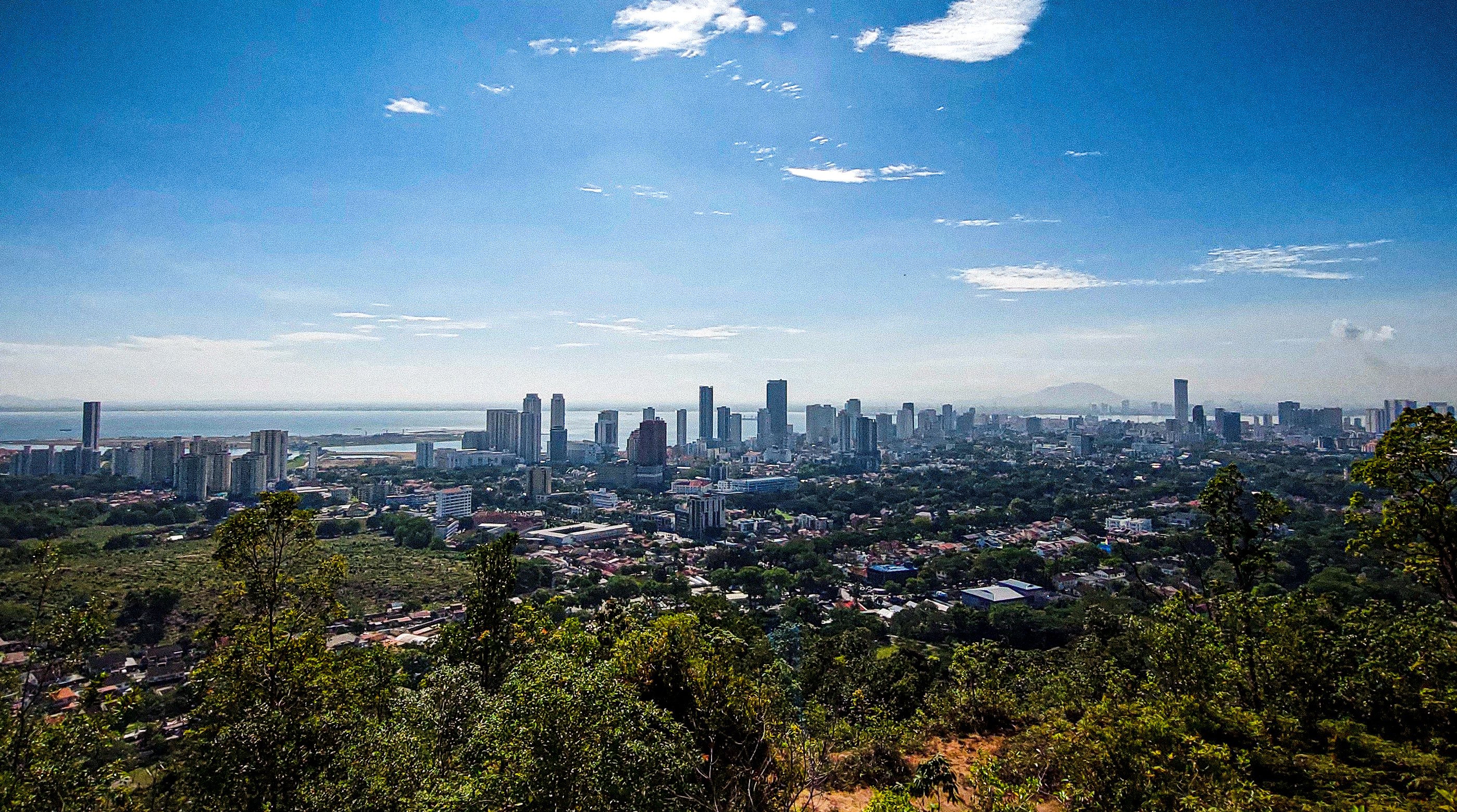
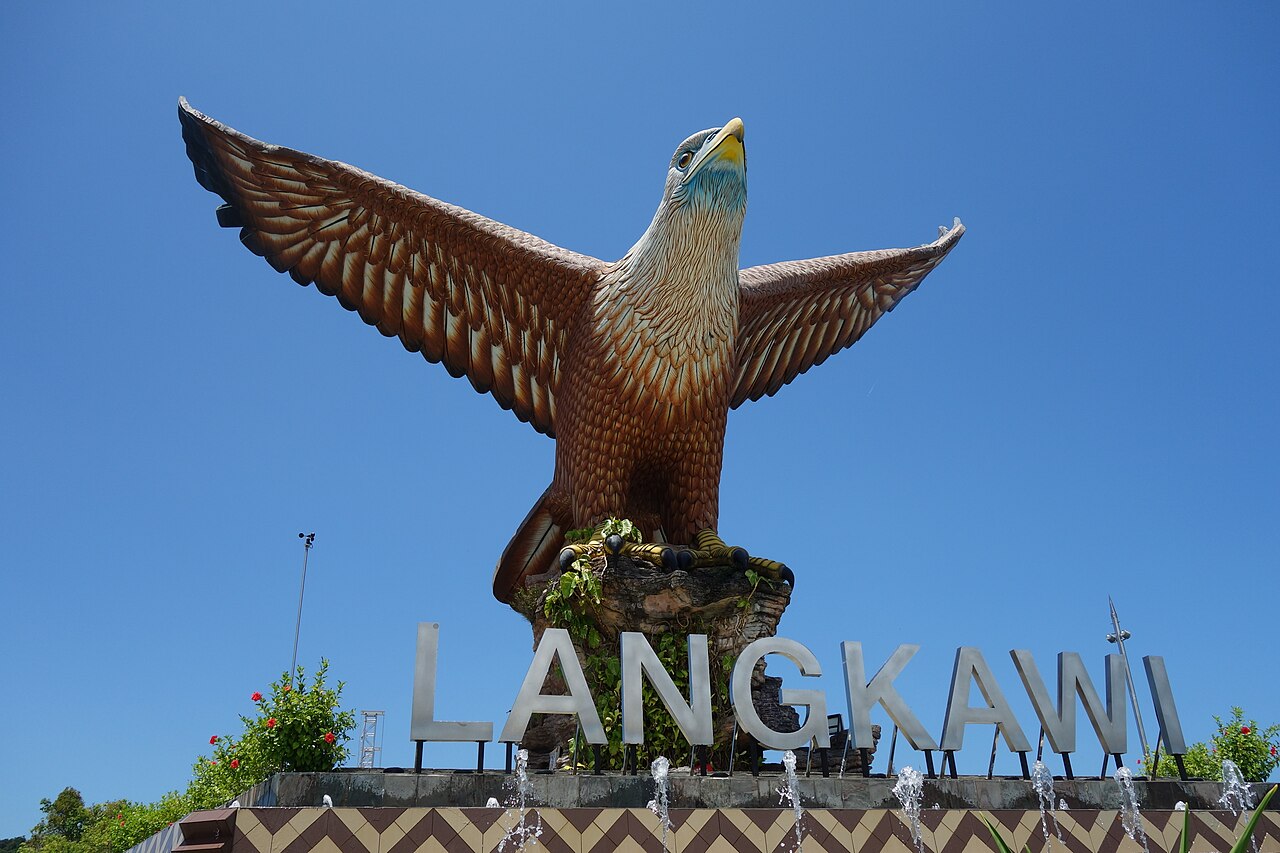
From KL, the classic Peninsular route heads north to the Cameron Highlands for cool air and tea estates, then on to Penang, Malaysia's undisputed food capital, where Georgetown's UNESCO-listed old town is one of Southeast Asia's most atmospheric urban quarters. Further north, Langkawi is a duty-free island popular for beach holidays.
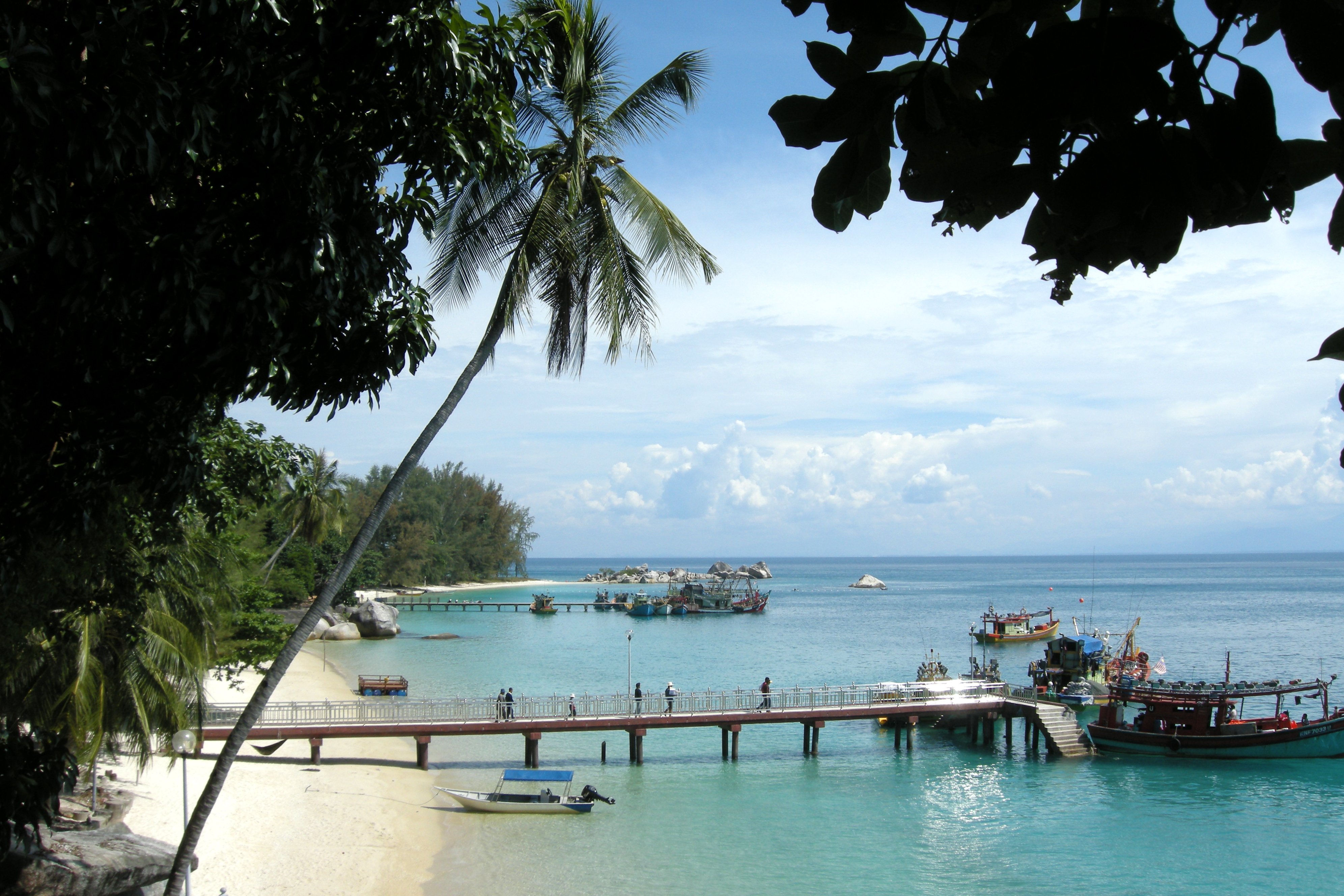
On the east coast, the mood shifts. The pace is slower, the culture more traditionally Malay, and the beaches are better. The Perhentian Islands, Redang and Tioman offer some of the best and most affordable diving and snorkeling in the region, though the east coast shuts down during the monsoon from November to March.
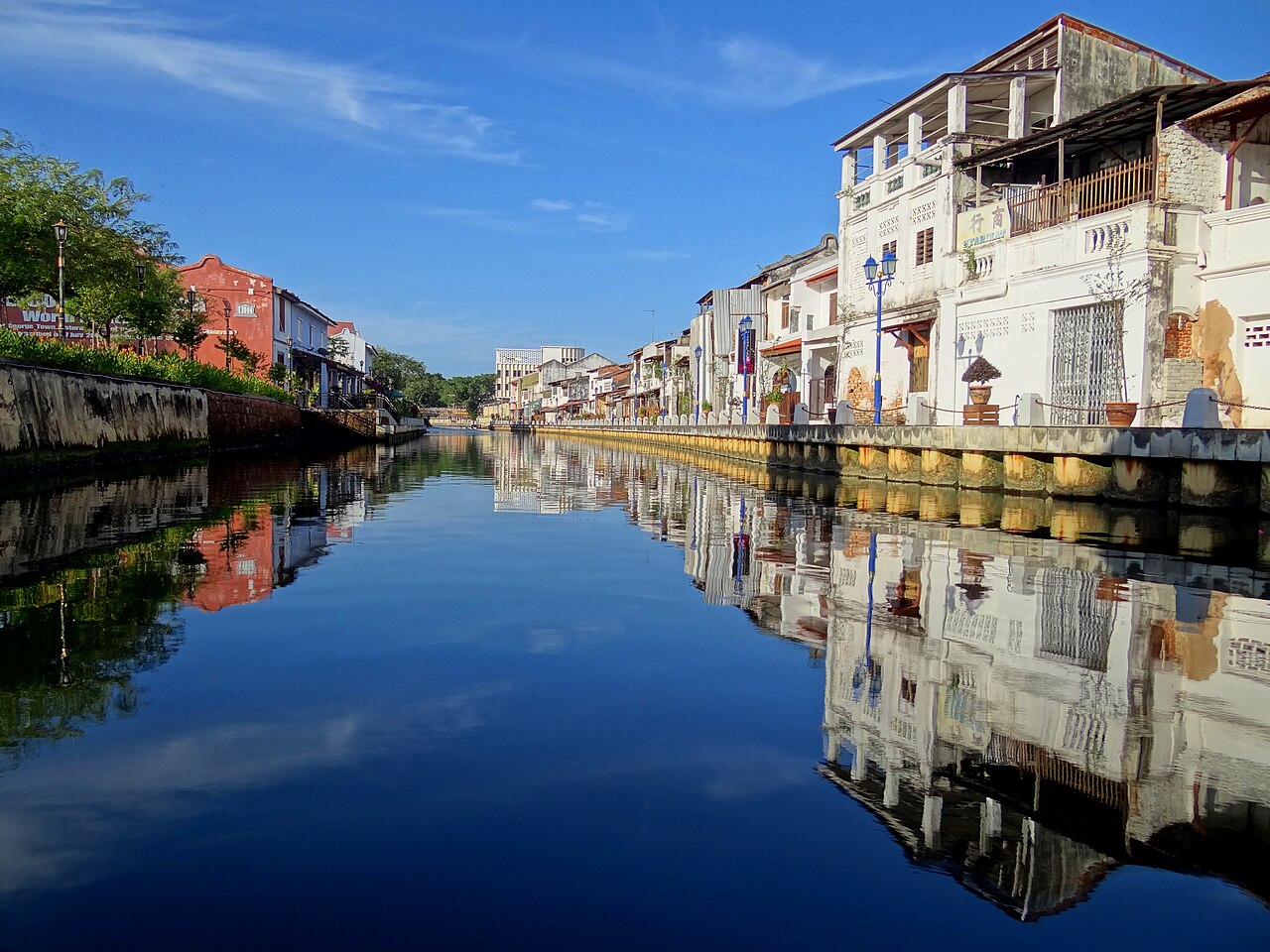
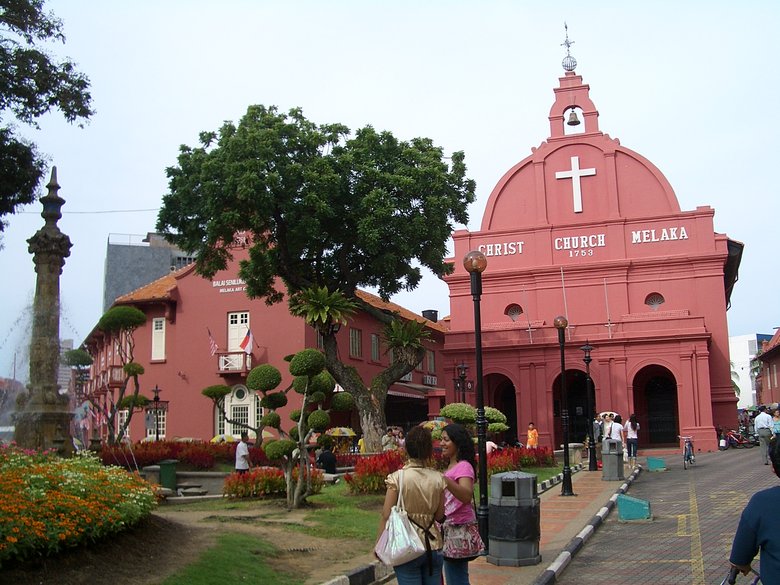
Historic Melaka on the west coast south of KL preserves layers of Portuguese, Dutch and British colonial history alongside Peranakan culture. Johor Bahru sits at the southern tip, a gateway to Singapore.
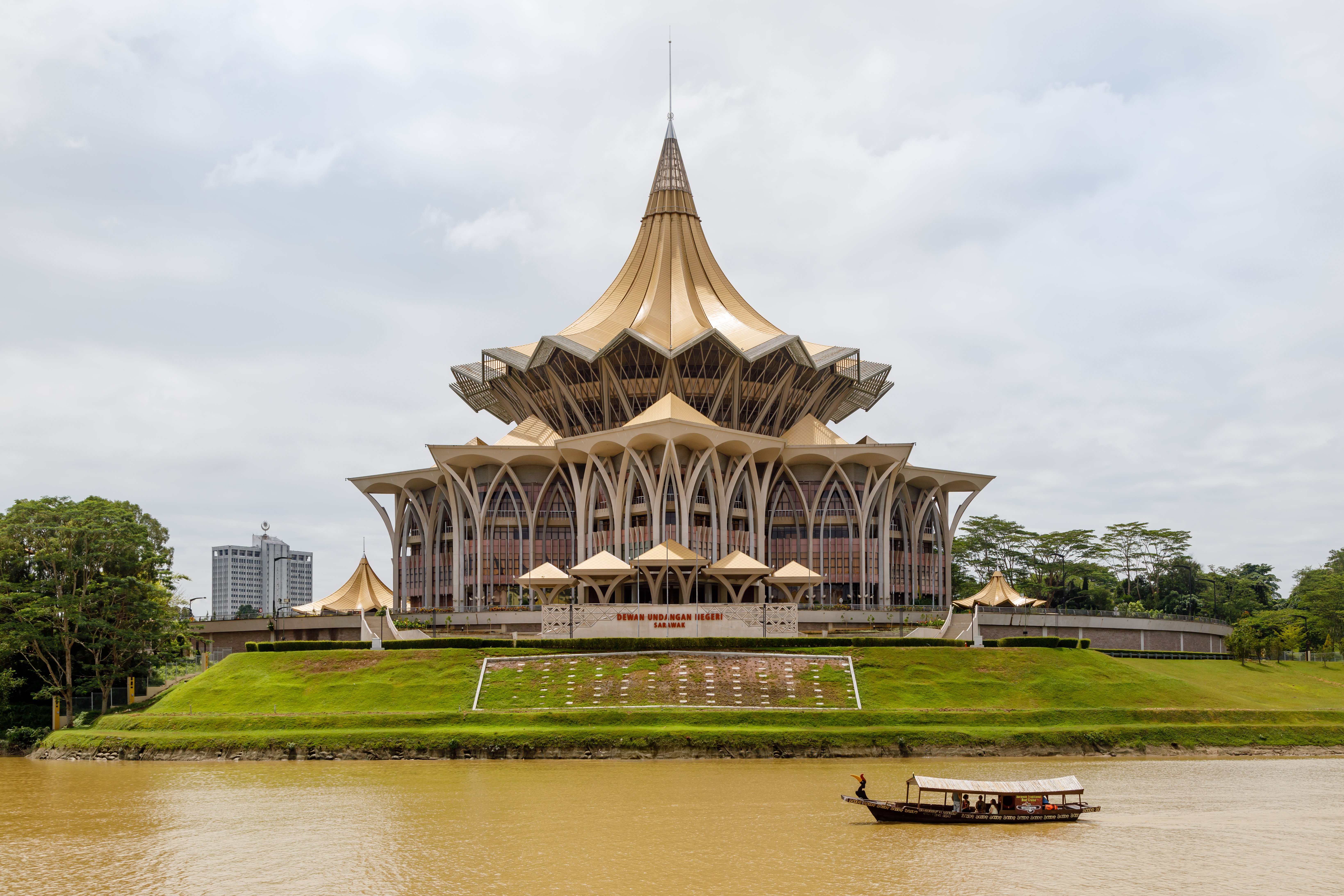
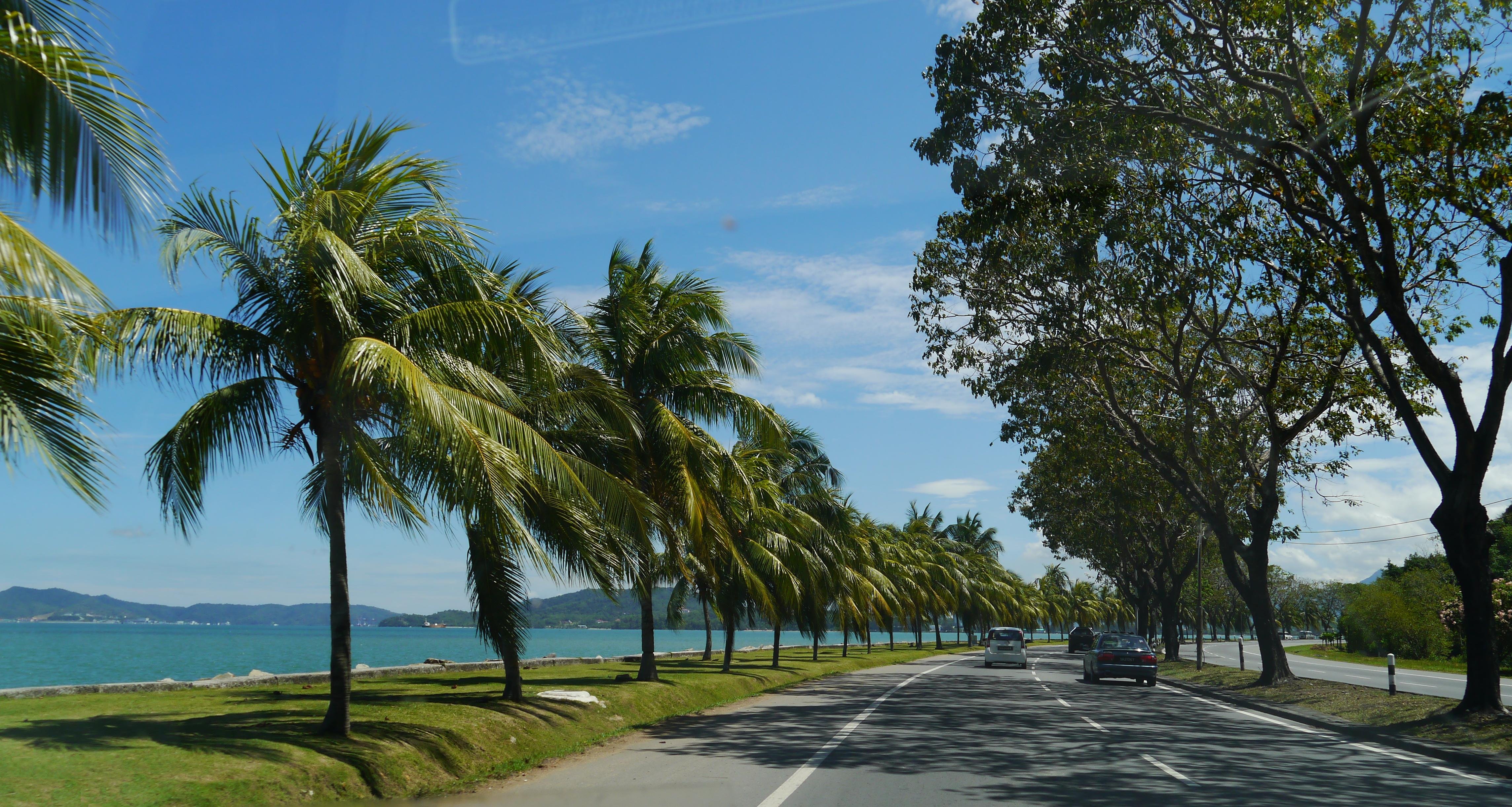
Malaysian Borneo is wilder and less visited. Kuching in Sarawak is a charming riverfront city with easy access to orangutan sanctuaries and Iban longhouse communities. Kota Kinabalu in Sabah is the base for climbing Mount Kinabalu, Southeast Asia's highest peak, and for reaching world-class dive sites like Sipadan.
Malaysia is modern, well-connected, affordable and safe. English is widely spoken. The infrastructure is excellent for Southeast Asia, the people are welcoming, and the country offers genuine variety -- from megacity to jungle to beach -- within relatively short distances.