Tasmanian east-coast town on Georges Bay, serving the Bay of Fires and mountain bike trails.
St Helens is the largest town on Tasmania's east coast, sitting at the head of Georges Bay where the Blue Derby mountain bike trails end and the Bay of Fires begins. It functions as the practical hub for the whole region — fuel, food, accommodation — and makes a good base whether you're coming off the trails or heading north along the coast.
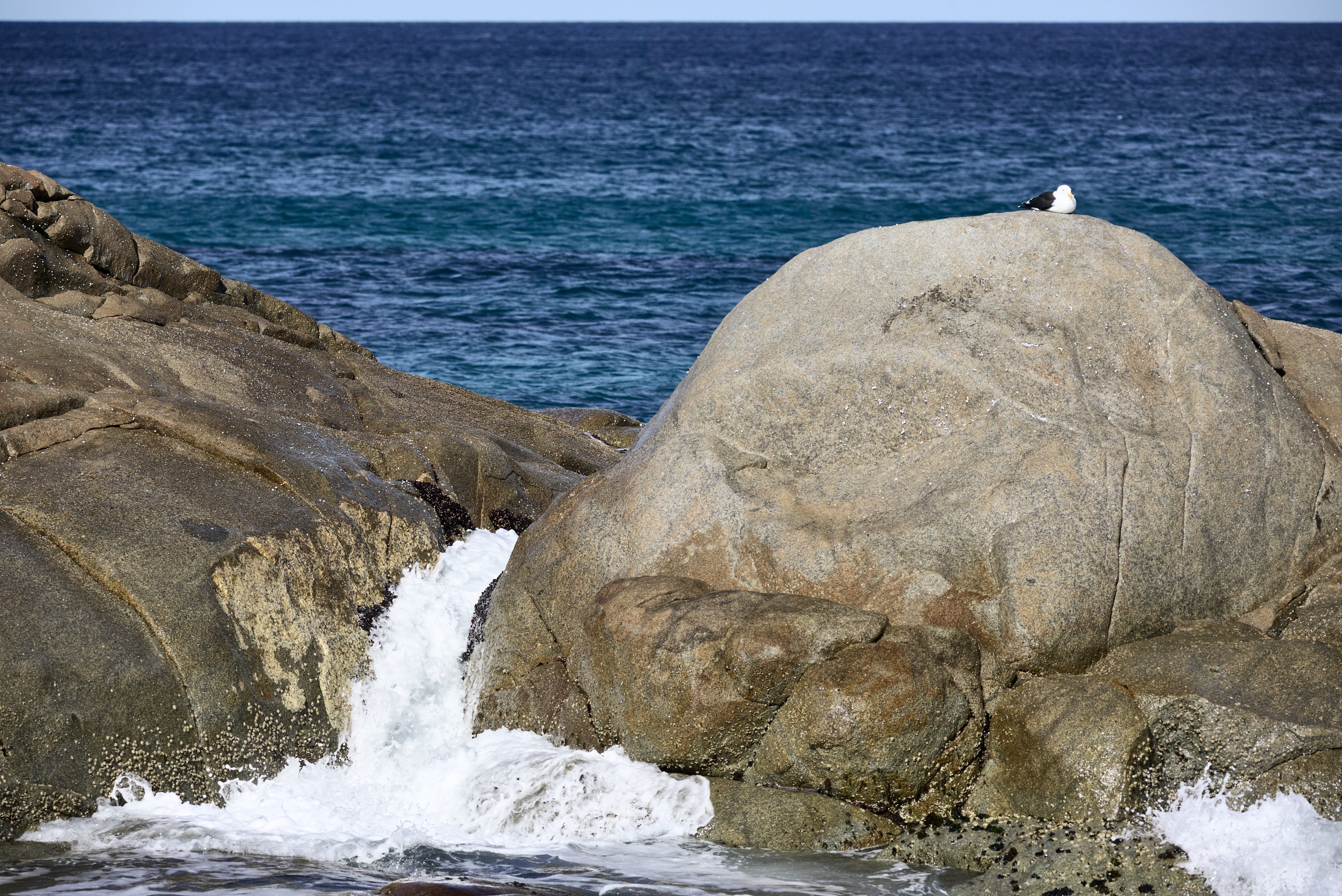
The town itself is modest: a main street, a handful of cafes, a working fishing harbour. The draw is what surrounds it. Fifteen kilometres north, the Bay of Fires stretches up toward Eddystone Point — a long arc of white sand and turquoise water, its granite boulders stained vivid orange by lichen. On a clear day it's genuinely one of the more beautiful stretches of coastline in Australia. The southern entry at Binalong Bay is the easiest access; the northern end, accessible only on foot or by sea, is less visited and often deserted.
Blue Derby, a short drive inland past Pyengana, has become one of the most celebrated mountain bike destinations in Australia, with trails ranging from long cross-country loops to technical descents. The trails are well-built and well-signed; even less experienced riders can manage the blue-grade runs.
The fishing in Georges Bay is good — flathead and bream in the bay itself, with charter boats offering offshore trips. The town hosts the St Helens Game Fishing Classic each summer, which draws boats from across the state.
Guide
Getting There
St Helens is at the end of the Tasman Highway (A3) — about 2 hours 30 minutes north of Hobart's airport (via the inland route), or 2 hours 30 from Launceston via Scottsdale and the Sideling lookout. Both are scenic drives; the Launceston route is shorter and easier on the eye.
St Helens Airport (HLS) takes occasional charter flights but no scheduled passenger services — fly to Launceston (LST) or Hobart (HBA) and drive. Several Tasmanian campervan-hire companies offer one-way pickups.
There is no rail and no useful public bus to St Helens — Tassielink's run from Launceston is once a day at best. A car is essential for the Bay of Fires and Blue Derby. Roads are sealed and well-maintained; allow time for the bends.
Guide
When to Go
December to April is the busy season — Tasmanian and mainland summer holidays, the warmest sea temperatures (still only 17–19°C — wetsuits help), and the most reliable weather. January is the busiest month; if you can travel in late February or March you'll get similar weather with fewer crowds.
Autumn (March–May) is excellent for mountain biking at Blue Derby — cool, dry, no flies — and the rainforest at Pyengana is at its lushest after summer rain.
Winter (June–August) is quiet, often crisp and sunny in this rain-shadowed corner of Tasmania, and good for serious bushwalkers and surfers. Many tourist businesses close mid-week.
The St Helens Game Fishing Classic is in late February; the Suncoast Jazz Festival in late August fills the town for a weekend.