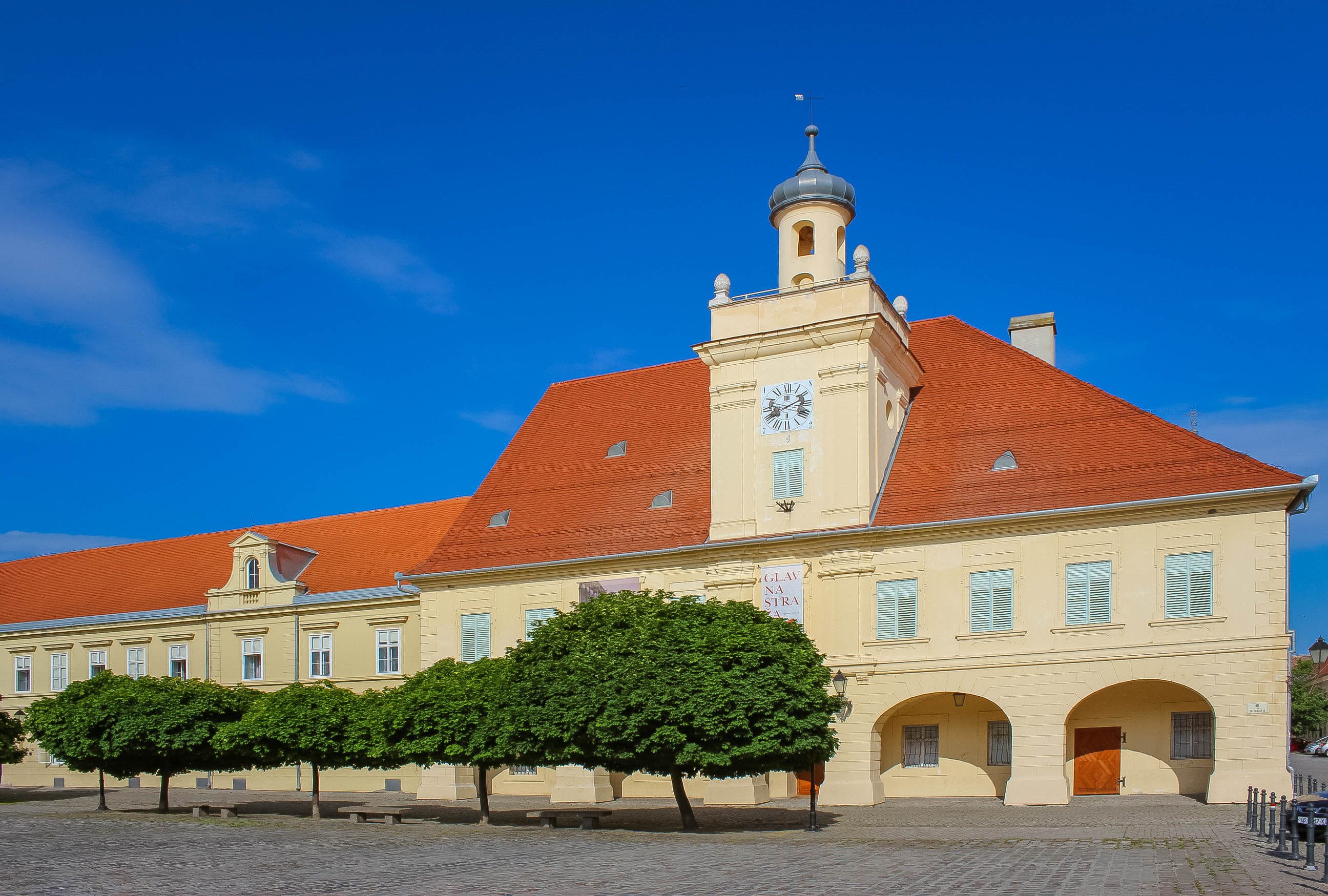
Osijek is the largest city in Slavonia, eastern Croatia's agricultural heartland. It sits on the Drava river and feels quite different from the coastal cities that draw most visitors to Croatia — flatter, quieter, more Central European in character, with wide boulevards and Habsburg-era architecture.
The centrepiece is Tvrđa, a remarkably well-preserved 18th-century Baroque fortress built by the Austrians to defend against the Ottomans. Its cobbled squares and yellow facades now hold cafes, galleries, and the Museum of Slavonia. The Church of Saint Michael, with its twin white towers, dominates the main square of the fortress quarter.
The city suffered heavily during the Croatian War of Independence in the 1990s, and traces of that conflict are still visible — particularly the Red Fićo monument, a tribute to one man's defiant daily drives through a besieged city. But Osijek has rebuilt with energy. The food culture is excellent — Slavonian kulen (spicy sausage), freshwater fish paprikaš, and local wines from the nearby Baranja region.
Kopački Rit, one of the largest wetlands in Europe, is just north of the city along the Drava-Danube confluence and superb for birdwatching, especially during spring migration. The Drava promenade makes the most of the wide, slow-flowing river that gives the city its character.